 Save
Save There was something about the sizzle of bacon on a lazy Saturday morning that nudged me to try frying cabbage with it. On a whim, I grabbed a head of cabbage that had been languishing in the crisper and, without planning, began slicing onions alongside. The kitchen quickly filled with an aroma that made the windows seem to rattle in approval. Notes of smoky bacon tangled with sweet onions, and before I knew it, a simple side dish became the highlight of the day. It fascinated me how such ordinary ingredients could turn into something so satisfying with just a bit of attention.
One winter evening I cooked this for a friend after a long walk in the cold, and the moment the onions hit the pan we were both laughing at how instantly hungry we became. A little butter melted into the mix, and suddenly the kitchen was crowded with the kind of warmth only good food and company can provide. I never thought a humble cabbage could prompt a real conversation about seconds. My friend still teases me about how we ended up eating almost the whole skillet standing at the stove. That night, fried cabbage was absolutely the main event.
Ingredients
- Bacon: Cutting the bacon into bite-sized pieces before frying makes for even cooking and maximum flavor distribution throughout the dish.
- Green cabbage: Look for a firm, dense head; chopping it into strips helps it soften evenly and soak up all the savory juices.
- Yellow onion: Slicing the onion thinly lets it almost dissolve into sweetness as it cooks.
- Garlic: Adding the minced garlic after the onions ensures its flavor rounds out the whole dish rather than burning.
- Salt: Start small, then taste as you go—the bacon adds its own saltiness.
- Black pepper: Cracking it fresh over the pan gives the dish a little kick and warmth.
- Smoked paprika: Just a pinch boosts the smoky undertones (and it's fine to skip if you want classic simplicity).
- Red pepper flakes: Optional, but a tiny shake will perk up the entire skillet.
- Unsalted butter: I sometimes swirl in a knob at the end for shine and richness when I'm feeling indulgent.
Tired of Takeout? 🥡
Get 10 meals you can make faster than delivery arrives. Seriously.
One email. No spam. Unsubscribe anytime.
Instructions
- Start with the bacon:
- Lay the bacon slices in a cold skillet and bring up the heat—listen for the sizzle and flip them as they crisp up and turn deep golden.
- Sauté the onions:
- With most of the bacon fat left behind, let the onions tumble in and stir gently, watching them go soft and golden at the edges in just a few minutes.
- Add the garlic:
- Push the onions aside, scatter in the garlic, and inhale as waves of savory aroma fill the space without letting it brown too much.
- Cabbage time:
- Tip in the chopped cabbage—some pieces will wilt fast, others take their time, but don't rush; frequent turning is the secret here.
- Season and layer flavor:
- Sprinkle over salt, pepper, and any paprika or red pepper flakes, stirring so every piece is tinged with seasoning.
- Finish with bacon and, if you like, butter:
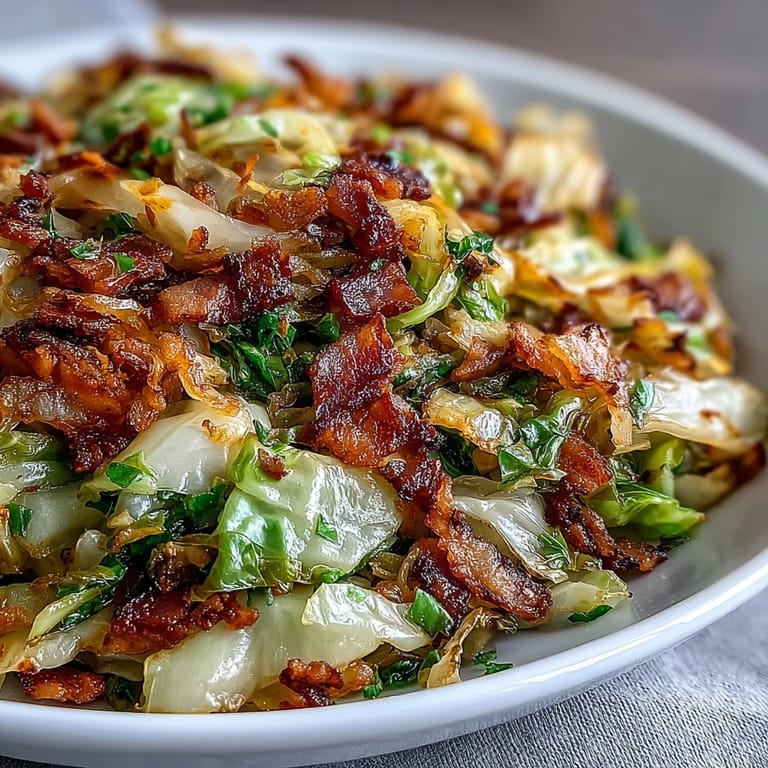
- Crumble the bacon back into the pan, dot with butter if using, and let everything meld as the cabbage gets golden at the edges.
- Taste and serve:
- Give a quick taste, adjusting salt or pepper as needed, and serve hot—ideally straight from the pan for maximum joy.
 Save
Save I’ll never forget the quiet after dinner when everyone paused, then dove back in for seconds. It seemed like just another weekday, but the skillet on the table pulled everyone together for a little longer than usual. Sometimes the best memories come from a side dish that turns into the reason you linger. It’s funny how cabbage, bacon and onions ended up being part of more stories than I ever thought possible. In hindsight, these are the kitchen moments I don’t want to miss.
Getting the Most Out of Simple Ingredients
Peeling away the cabbage’s outer leaves and giving everything a good rinse really makes a difference in freshness. I’ve learned that soggy cabbage usually means the heat wasn’t high enough or the skillet was overcrowded. Cook in batches if needed for more color and flavor. Don’t be afraid to taste as you go. I once added too much salt all at once and had to start over—lesson learned!
Swaps and Add-Ins You’ll Want to Try
For a change, I’ve tossed in a splash of apple cider vinegar at the end to brighten things up and it instantly lifts the dish. White or savoy cabbage works nearly as well as green, especially if that’s what you have. Adding leftover potatoes or a handful of diced bell peppers is a great way to use up what’s in the fridge. The dish isn’t fussy—just adaptable. Every cook will stumble into their own favorite twist with time.
All About That Sizzle: Technique Matters
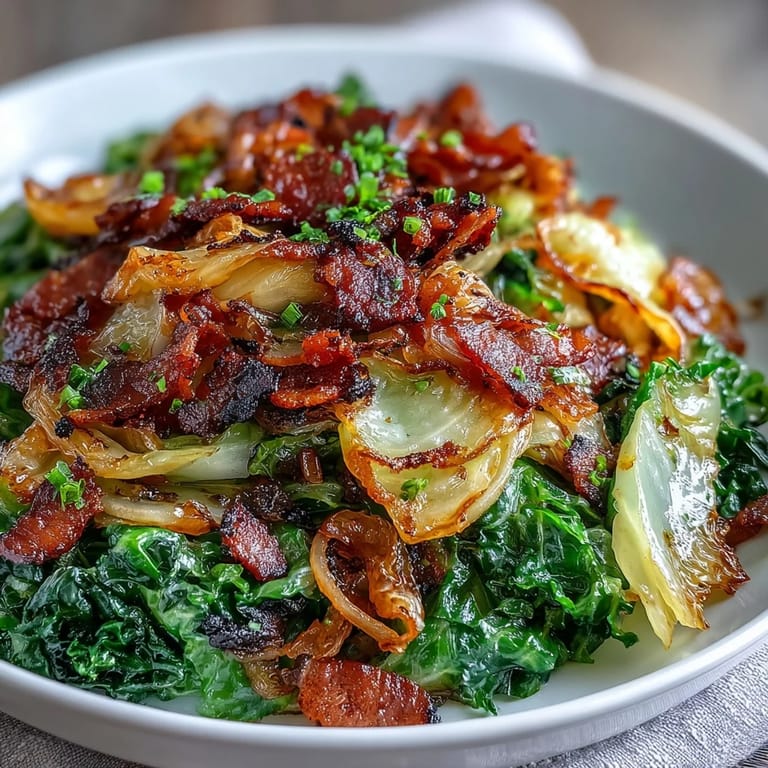
The bacon’s done when it sings and the whole kitchen smells irresistible, but don’t let it get too dark or brittle. Stirring gently helps keep the cabbage from getting mushy, and constant attention at the end means those golden edges don’t cross into burnt territory. For best results, use a large skillet so everything gets a little time against the heat. Nobody hates extra crispy bacon bits hiding among the cabbage.
- Don’t skip draining extra bacon fat—too much, and the dish goes greasy instead of luscious.
- If you add butter, do it near the end for maximum gloss and depth.
- Taste at the very finish—the flavors bloom as it rests off heat for just a minute.
 Save
Save May your kitchen smell of bacon and honest comfort at least as often as mine does now after discovering this dish. When in doubt, let your taste buds lead and enjoy every messy, savory bite.
Recipe FAQ
- → What type of cabbage works best for this dish?
Green cabbage is classic, but white or savoy cabbage also work well, offering a tender texture and mild flavor.
- → How do you prevent the cabbage from overcooking?
Sauté the cabbage in stages, turning frequently, and remove from heat when just tender and lightly browned.
- → Can this dish be made vegetarian?
Yes, simply omit the bacon and use olive oil with a dash of smoked salt for similar flavor depth.
- → What can be added for extra flavor?
A splash of apple cider vinegar or additional spices like red pepper flakes can enhance brightness and heat.
- → Is this dish gluten-free?
Yes, the ingredients are naturally gluten-free. Always verify labels for any hidden allergens or gluten.
- → Which tool is best for cooking this dish?
A large skillet or Dutch oven provides even heat distribution, perfect for sautéing the vegetables and bacon.