 Save
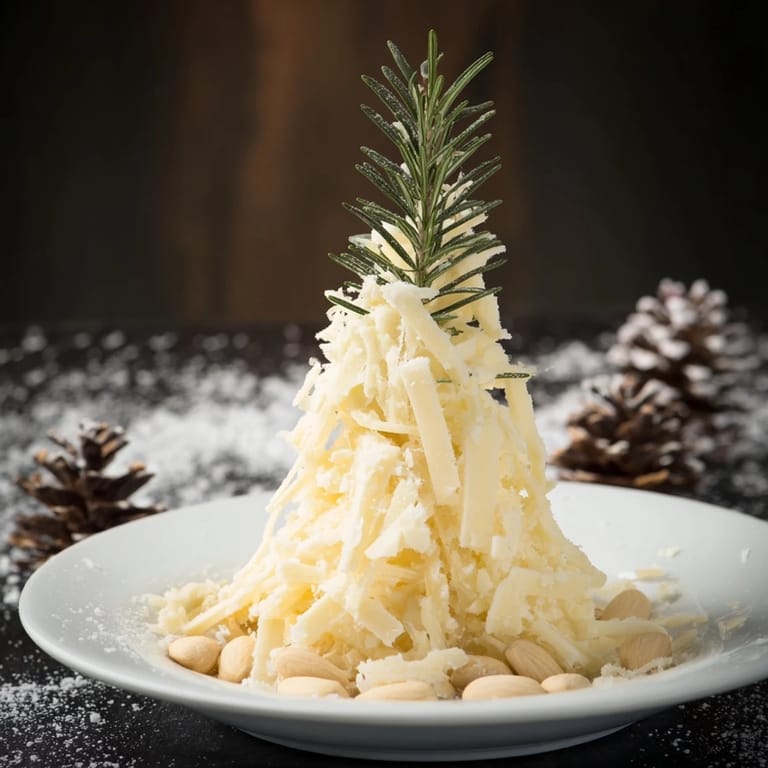
Save I stumbled onto this idea while browsing a winter market, watching someone arrange fresh herbs in a way that made me stop and stare. The white cheddar caught the afternoon light like actual snow, and suddenly I was picturing an edible landscape right there on a platter. That night, I sat in my kitchen with leftover rosemary from a roast, granulated sugar, and a block of cheese, and something clicked.
I made this for a quiet holiday gathering at my apartment, and honestly, I was nervous nobody would eat it because it looked too pretty to touch. My friend grabbed a rosemary sprig anyway and bit into the sugared stem, then reached for a chunk of cheese, and suddenly everyone was doing the same thing. The quiet chatter turned into actual conversation, and the platter disappeared in about fifteen minutes.
Ingredients
- White cheddar cheese, 200 g: The mild sweetness and soft color create your snowy base; cube it loosely so it catches light and looks generous on the platter.
- Fresh rosemary sprigs, 12: Look for sturdy, full sprigs that stand upright; the oils in fresh rosemary will hold the sugar coating beautifully.
- Granulated sugar, 2 tbsp plus extra: This transforms ordinary herbs into frosted garnish; the crystals won't dissolve immediately if the rosemary is just barely damp.
- Whole almonds, 60 g: Raw almonds look more pinecone-like than blanched ones, with that natural texture and pale brown color.
- Gluten-free crackers, 12–16: Choose ones with interesting shapes or seeds so they feel intentional, not like an afterthought around the edge.
- Honey, 1 tbsp (optional): A light drizzle adds warmth and a touch of shine that makes the whole board feel precious.
Tired of Takeout? 🥡
Get 10 meals you can make faster than delivery arrives. Seriously.
One email. No spam. Unsubscribe anytime.
Instructions
- Frost the rosemary:
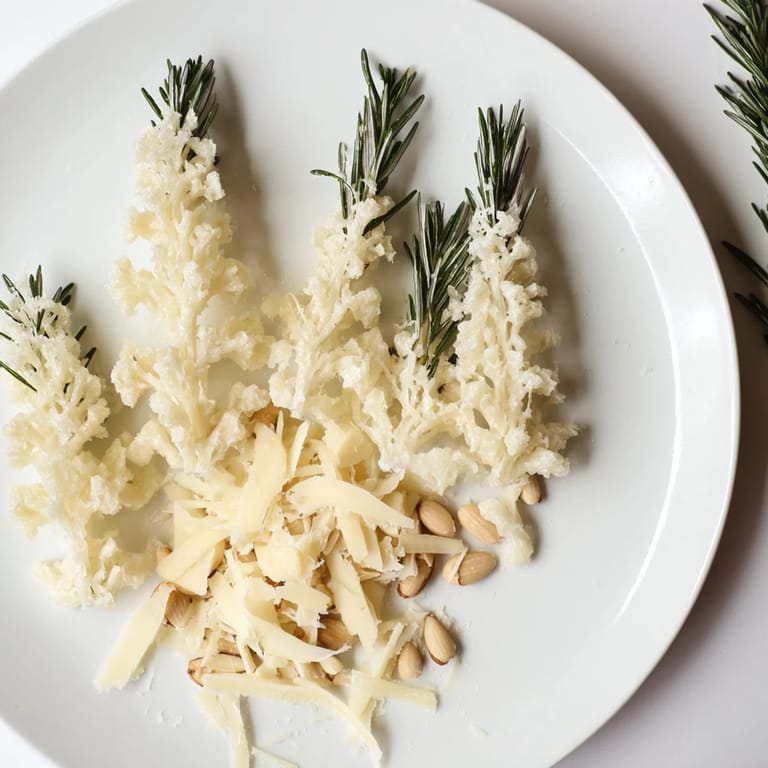
- Dip each rosemary sprig into water just enough to dampen it lightly, then roll it gently in sugar so the crystals cling all over. Lay them on parchment paper to dry for about ten minutes while you work on everything else.
- Build your snowy base:
- Mound the white cheddar in loose piles across your serving platter, leaving space between them like drifts. Don't pack it down; let it look soft and natural.
- Plant the frosted pines:
- Stand each sugared rosemary sprig upright in and around the cheese piles at different heights. They should look like a tiny forest scattered across snow.
- Scatter the pinecones:
- Nestle the almonds in small clusters near the base of the rosemary and around the cheese, as if they've fallen where the trees are growing. Vary the groupings so it feels organic.
- Add finishing touches:
- Ring the arrangement with crackers, or skip them if you prefer a pure cheese board. A light drizzle of honey over one section adds warmth and a subtle gleam.
- Serve right away:
- The sugar on the rosemary stays crispest when served fresh, and the cheese holds its shape best before it warms too much.
 Save
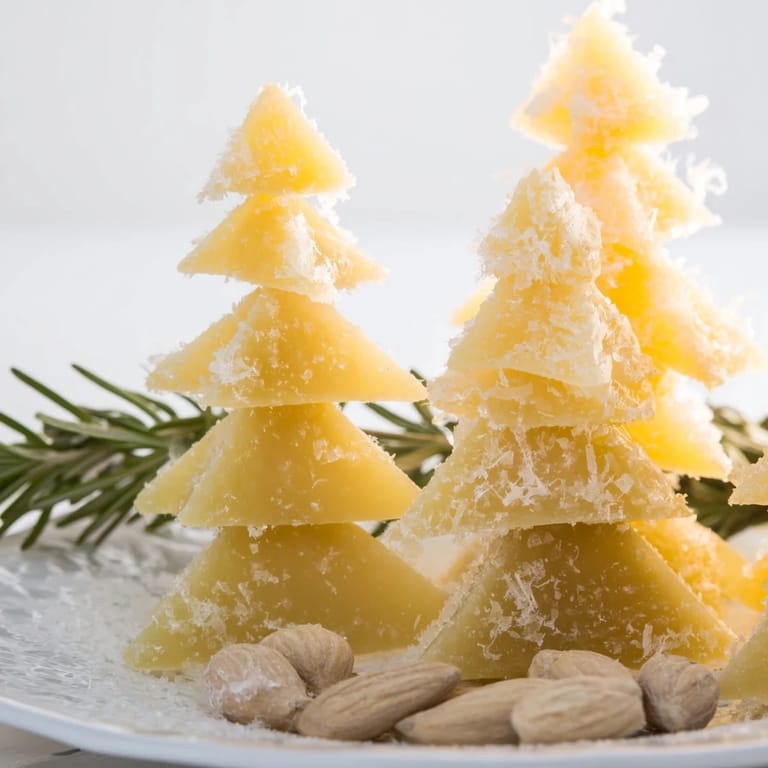
Save My neighbor came over unexpectedly one snowy afternoon, and I had this platter sitting on the counter. She took one look and said it felt like eating a little piece of the forest we'd walked through that morning. We sat by the window, barely talking, just eating cheese and rosemary and almonds while snow drifted past outside.
Why This Board Feels Like Winter
There's something about arranging food to tell a story that makes eating it feel more intentional and celebratory. This platter borrows the visual language of a winter forest—white, cream, pale green, and brown—so it reminds people of the season even in a warm room. The sugared rosemary adds a surprise element too, because people don't expect herbs to be sweet, and that little shock of discovery makes the whole experience more memorable.
Cheese and Wine Pairings That Work
White cheddar pairs beautifully with crisp wines because the acidity cuts through the richness of the cheese without overwhelming the delicate rosemary flavor. A Sauvignon Blanc brings herbal notes that echo the rosemary, while Prosecco adds sparkle and a touch of sweetness that plays off the sugared garnish. If you're skipping wine, sparkling cider or even sparkling water with lemon works just as well.
How to Customize Without Losing the Magic
The beauty of this platter is that you can swap elements based on what you have on hand or what you love to eat. Smoked almonds add deeper pinecone character, while goat cheese or brie create a softer, more luxurious snowdrift. You could even try sugaring thyme or sage instead of rosemary, or mix and match herbs for a more varied forest. The key is keeping the visual idea intact while making it taste like something you'd actually choose to eat.
- Toast the almonds lightly if you want them crunchier and more flavorful, but let them cool completely before arranging.
- Make extra sugared rosemary sprigs because people will snack on them straight, and you'll want backups.
- If your kitchen is warm or humid, assemble the platter no more than thirty minutes before serving.
 Save
Save This platter asks for nothing complicated, just a little intention and a willingness to let food look beautiful. It's the kind of thing that makes people smile before they taste anything at all.
Recipe FAQ
- → How do I make the rosemary sprigs look frosted?
Lightly dampen the rosemary sprigs with water, then roll them in granulated sugar. Let them dry on parchment paper for about 10 minutes until a frosted effect appears.
- → Can I substitute the white cheddar cheese?
Yes, options like goat cheese or brie can be used for different flavor profiles while maintaining a creamy texture.
- → Are there suggested nuts for the pinecone clusters?
Whole almonds, raw or lightly toasted, work well to mimic pinecones. Using a mix of smoked and regular almonds adds visual interest.
- → Is this platter suitable for gluten-free diets?
Yes, especially when served with certified gluten-free crackers. Always double-check labels for safety.
- → What beverages pair well with this cheese board?
Crisp white wines like Sauvignon Blanc or sparkling Prosecco complement the flavors beautifully.