 Save
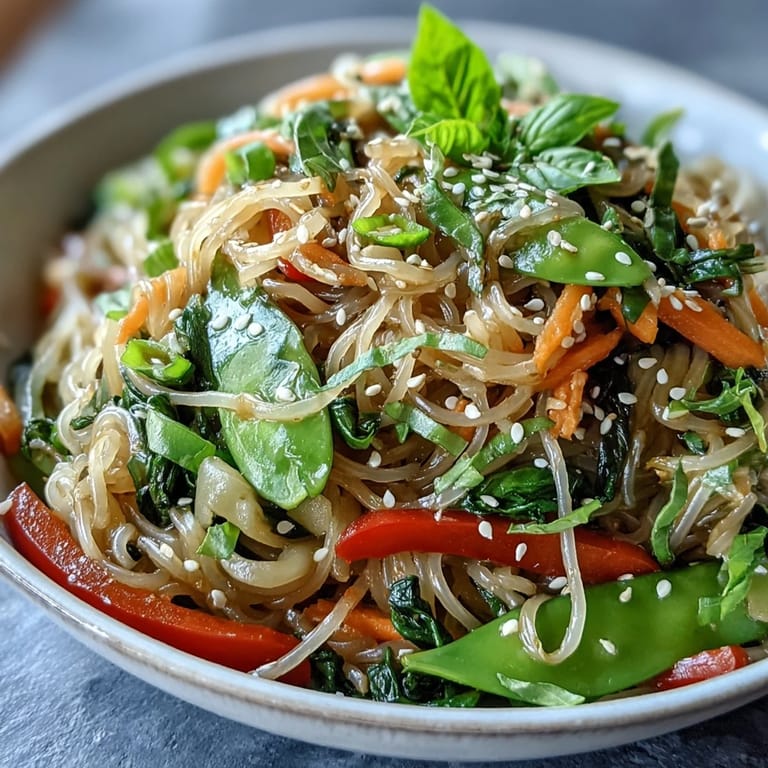
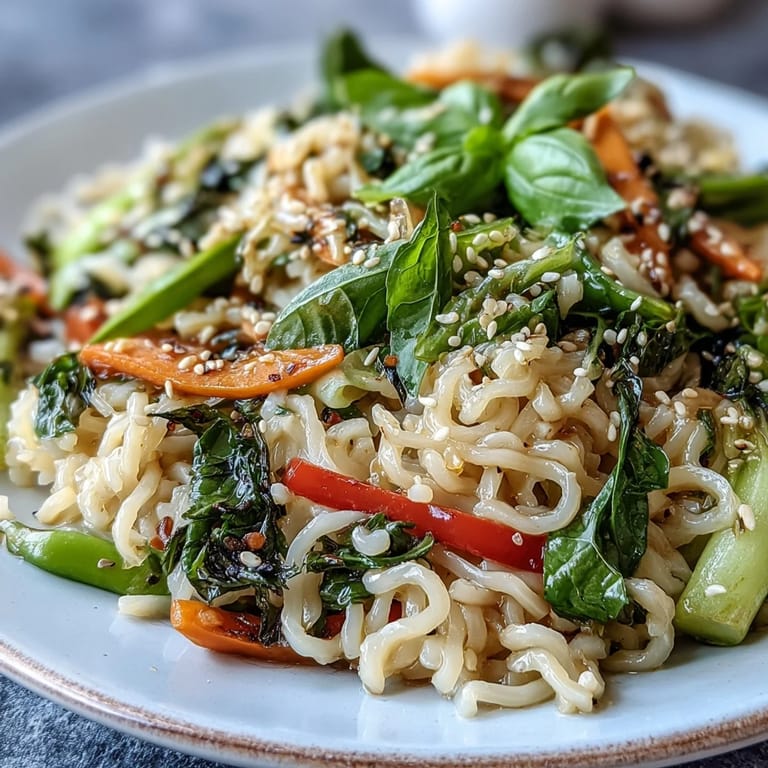
Save My roommate came home one night with a bag of shirataki noodles and swore they'd change my life. I was skeptical—these translucent, slightly rubbery strands didn't look like much. But after a quick rinse and a hot pan with ginger and garlic filling the kitchen, I understood. The noodles soaked up every bit of that fragrant sauce, and the crunch of the vegetables made each bite feel alive. I've been hooked ever since.
I made this for a friend who was trying to eat lighter but missed the comfort of noodle bowls. She finished her portion in minutes, then asked if there was more. Watching her twirl those shirataki strands like they were the real deal made me realize this dish doesn't feel like a compromise. It feels like a choice you're happy to make again and again.
Ingredients
- Shirataki noodles: These konjac-based noodles are naturally low in carbs and calories, but they need a good rinse and a quick boil to shed their slightly fishy smell and firm up their texture.
- Bok choy: Its tender leaves and crunchy stems add contrast, and it wilts just enough without turning mushy if you add it near the end.
- Red bell pepper: Thin slices cook fast and bring a pop of sweetness that balances the savory sauce beautifully.
- Snow peas: They stay crisp and bright green if you don't overcook them, adding that satisfying snap in every bite.
- Carrot: Julienned carrots look elegant and cook quickly, plus they soak up the ginger sauce like little flavor sponges.
- Green onions: Sliced thin, they add a mild bite and a fresh, grassy note that brightens the whole bowl.
- Tamari: This gluten-free soy sauce is less harsh and more rounded than regular soy, and it won't overpower the ginger.
- Rice vinegar: A splash of this adds just enough tang to keep the sauce from feeling too heavy.
- Toasted sesame oil: A little goes a long way—it brings a nutty, almost smoky depth that makes the whole dish smell incredible.
- Fresh ginger: Grating it fine releases all its spicy, floral oils, and it's the star of the sauce.
- Garlic: Minced small so it melts into the sauce and adds warmth without any harsh bite.
- Maple syrup: Optional, but a teaspoon rounds out the sauce and tames any sharpness from the vinegar.
- Chili flakes: Just a pinch adds gentle heat without overwhelming the ginger.
- Toasted sesame seeds: They add crunch and a toasty finish that makes the bowl feel complete.
- Fresh cilantro or basil: A handful of herbs on top makes it look restaurant-worthy and adds a burst of freshness.
Tired of Takeout? 🥡
Get 10 meals you can make faster than delivery arrives. Seriously.
One email. No spam. Unsubscribe anytime.
Instructions
- Prep the noodles:
- Drain and rinse the shirataki noodles thoroughly under cold water, then drop them into boiling water for 2 minutes. Pat them dry with paper towels—this step gets rid of any odd smell and helps them crisp up in the pan.
- Mix the sauce:
- In a small bowl, whisk together the tamari, rice vinegar, sesame oil, grated ginger, minced garlic, maple syrup, and chili flakes until smooth. The ginger should be floating in little flecks, ready to coat every strand.
- Stir-fry the firm vegetables:
- Heat a large skillet or wok over medium-high heat and toss in the carrot, bell pepper, and snow peas. Stir-fry for 2 to 3 minutes until they're just tender but still have some snap.
- Add the greens:
- Toss in the bok choy and green onions, stirring for another 1 to 2 minutes. They should wilt slightly but stay bright and crisp.
- Combine noodles and sauce:
- Add the dried shirataki noodles to the pan, pour the ginger sauce over everything, and toss well. Cook for 2 to 3 minutes, letting the noodles heat through and the sauce cling to every vegetable.
- Serve:
- Divide the noodle bowl between two bowls and sprinkle with toasted sesame seeds and fresh herbs. Serve immediately while everything is hot and fragrant.
 Save
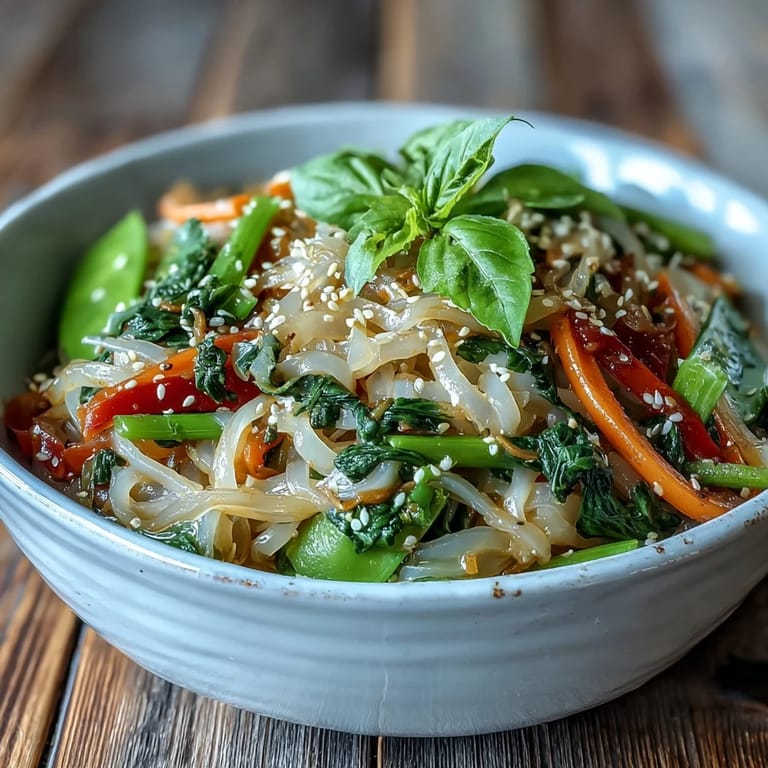
Save One evening I made this bowl for myself after a long day and realized I wasn't missing regular noodles at all. The way the ginger and sesame oil wrapped around the vegetables felt comforting in a way that had nothing to do with carbs. It was just good food, made quickly, and eaten without any second thoughts.
Making It Your Own
I've added grilled tofu cubes when I wanted more protein, and once I stirred in some leftover roasted mushrooms that turned the whole thing earthy and rich. Broccoli florets work beautifully if you blanch them first, and snap peas are just as good as snow peas. The sauce is forgiving—if you're out of rice vinegar, a squeeze of lime or lemon juice does the trick.
Storing and Reheating
Leftovers keep in the fridge for up to two days, though the vegetables lose some of their crispness. I reheat mine in a hot skillet with a splash of water to loosen the sauce, and it still tastes fresh. The noodles don't get mushy, which is one of the best things about shirataki—they hold up surprisingly well.
Serving Suggestions
This bowl is light enough to eat on its own, but sometimes I serve it alongside a cup of miso soup or a small cucumber salad dressed with rice vinegar. If you want to make it a bit heartier, a soft-boiled egg on top adds richness without weighing you down.
- Top with a drizzle of sriracha or chili oil if you like more heat.
- Garnish with crushed peanuts or cashews for extra crunch and richness.
- Serve with lime wedges on the side for a bright, citrusy finish.
 Save
Save This bowl has become my go-to when I want something fast, light, and full of flavor. It never feels like I'm missing out, just making a choice that leaves me feeling good.
Recipe FAQ
- → What do shirataki noodles taste like?
Shirataki noodles have a very mild, neutral flavor on their own. They absorb the flavors of whatever sauce they're prepared with, making them perfect for absorbing the ginger and tamari notes in this bowl.
- → Why do shirataki noodles need to be boiled?
Boiling helps remove any natural aroma from the noodles and improves their texture. The brief 2-minute boil ensures they're ready to absorb the ginger sauce while maintaining their satisfying chew.
- → Can I make this bowl ahead of time?
The vegetables stay crisp-tender for several hours, making this suitable for meal prep. Store the sauce separately and toss everything together just before serving for the best texture.
- → What vegetables work best in this bowl?
Bok choy, bell peppers, snow peas, and carrots provide excellent crunch and color. You can also add broccoli florets, snap peas, or sliced mushrooms based on what's available.
- → Is this bowl suitable for gluten-free diets?
Yes, using gluten-free tamari instead of regular soy sauce keeps this bowl completely gluten-free. Always check labels to verify your ingredients meet your dietary needs.
- → How can I add more protein to this bowl?
Grilled tofu, tempeh, or cooked shrimp make excellent protein additions. Simply prepare your protein of choice separately and arrange it on top before serving.