 Save
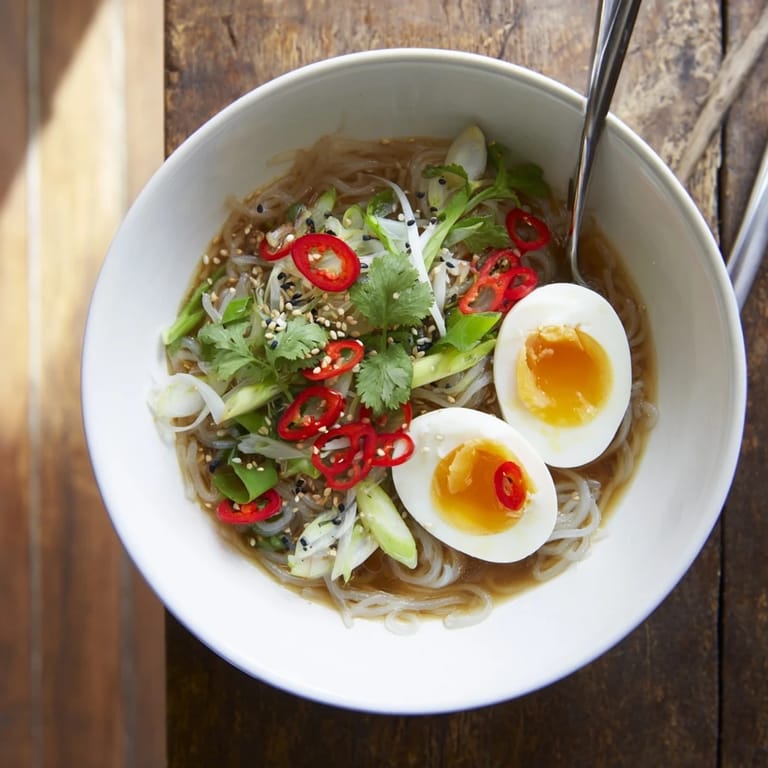
Save The first time I tried shirataki noodles, I was skeptical - these translucent, gelatinous strands didn't look like they could possibly satisfy my ramen cravings. But after one spoonful of that steaming broth, I was completely converted. Now on rainy days when I want something warming but light, this is my go-to comfort food.
Last winter my sister came over feeling under the weather, and I made this for her lunch. She took one sip of the fragrant broth and looked at me with wide eyes, asking how something so simple could taste so comforting. Now she texts me every time she makes it, usually with some new topping combination she discovered.
Ingredients
- High-quality bone broth: This is the foundation of the entire dish, so use the best you can find or make your own for the deepest flavor
- Fresh ginger and garlic: These aromatics infuse the broth with warmth and complexity that dried spices just can't replicate
- Shirataki noodles: Rinse them thoroughly and blanch with boiling water to remove any natural odor and improve their texture
- Soy sauce or tamari: Provides that essential umami depth and saltiness that makes the broth sing
- Rice vinegar and sesame oil: These two finish the broth with a perfect balance of brightness and nutty richness
- Soft-boiled eggs: The creamy yolk creates a silky richness that makes each bite feel indulgent
Tired of Takeout? 🥡
Get 10 meals you can make faster than delivery arrives. Seriously.
One email. No spam. Unsubscribe anytime.
Instructions
- Build the flavorful broth base:
- Combine bone broth, sliced ginger, smashed garlic, soy sauce, rice vinegar, and sesame oil in a medium pot. Let it come to a gentle boil over medium heat, then reduce to simmer for 10 minutes so all those fragrant aromatics can work their magic.
- Prep the shirataki noodles properly:
- While the broth simmers, drain and rinse the noodles thoroughly under cold water. Place them in a sieve and pour boiling water over them for about 30 seconds - this step is crucial for removing any earthy smell and improving texture.
- Combine and serve:
- Add the prepared noodles to your simmering broth and heat through for 2 to 3 minutes. Remove the ginger and garlic slices, then divide everything between two bowls and top with your chosen garnishes.
 Save
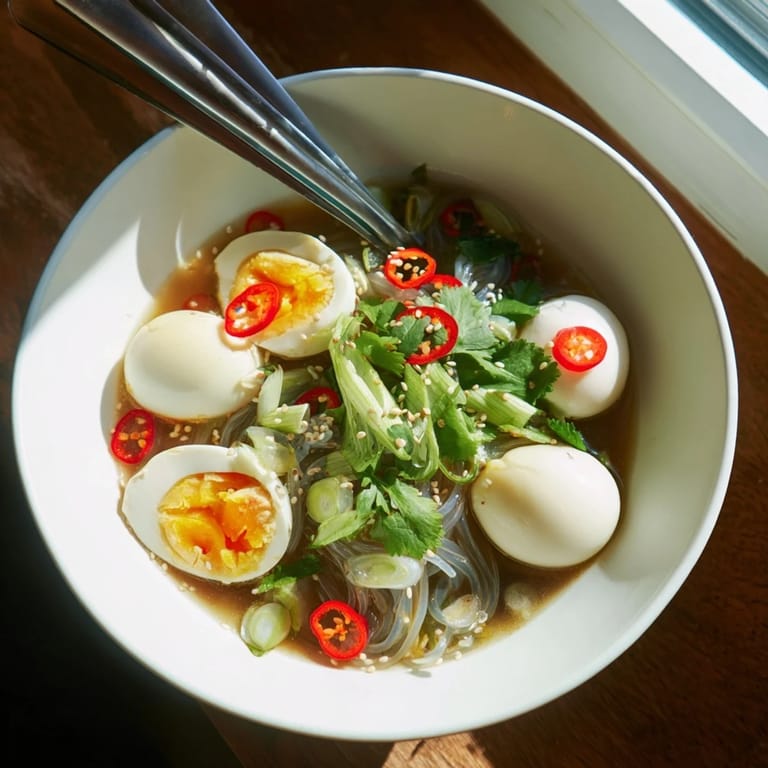
Save This recipe has become my secret weapon for dinner parties - people can't believe they're eating something so light yet satisfying. I love watching friends take that first curious bite and seeing their expressions change from skepticism to pure delight.
Making It Your Own
The beauty of this dish lies in its versatility. I've added everything from shredded rotisserie chicken to crispy pan-fried tofu, and each variation brings something new to the table. The broth is forgiving and happy to support whatever flavors you're craving.
Broth Basics
Homemade bone broth will always yield the most velvety, rich results, but don't let that stop you from using a good store-bought version. Look for brands that list bones as the first ingredient and avoid anything with added sugars or strange additives.
Perfect Presentation
Arrange your toppings in neat little sections on top of the noodles rather than scattering them randomly. This simple technique makes each bowl look restaurant-worthy and ensures every spoonful gets a bit of everything.
- Soft-boiled eggs should have a jammy, slightly runny yolk for maximum creaminess
- Slice your spring onions on a diagonal for a more elegant look
- Add the toasted sesame seeds just before serving so they stay crunchy
 Save
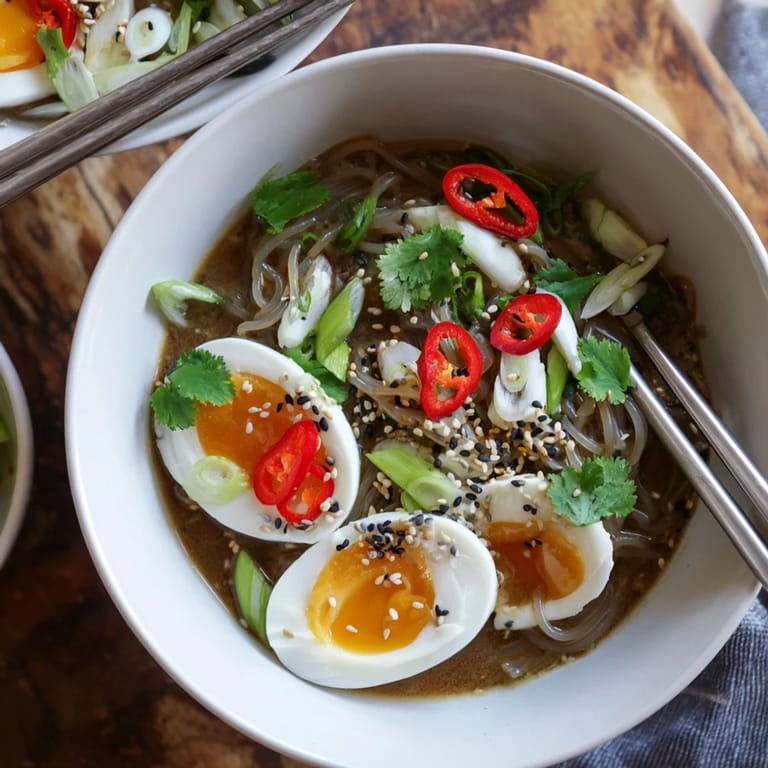
Save There's something deeply soothing about cradling a warm bowl of these slippery noodles in your hands, steam rising in gentle clouds as you take that first restorative sip.
Recipe FAQ
- → Do shirataki noodles have any taste?
Shirataki noodles have a very neutral taste on their own, which makes them perfect for absorbing the flavors of the broth they're cooked in. The key is rinsing them thoroughly and simmering them in a well-seasoned broth like this aromatic bone broth mixture.
- → Can I make this vegetarian?
Absolutely. Simply substitute the bone broth with a high-quality vegetable broth and skip the egg topping or replace it with seasoned tofu cubes. The ginger, garlic, and soy sauce will still provide plenty of savory depth.
- → Why do I need to rinse shirataki noodles?
Shirataki noodles have a natural odor from the konjac yam they're made from. Rinsing thoroughly under cold water and pouring boiling water over them removes this completely, leaving you with clean, odorless noodles ready to soak up your broth.
- → How long will leftovers keep?
The noodles will continue absorbing liquid as they sit, so it's best to store the broth and noodles separately if you plan to have leftovers. The broth keeps well in the refrigerator for 4-5 days, while noodles should be eaten within 2-3 days for best texture.
- → Can I add other vegetables?
Certainly. Bok choy, sliced mushrooms, spinach, or bean sprouts make excellent additions. Add harder vegetables like carrots or bok choy during the broth simmering stage, and delicate greens like spinach in the last minute of cooking.