 Save
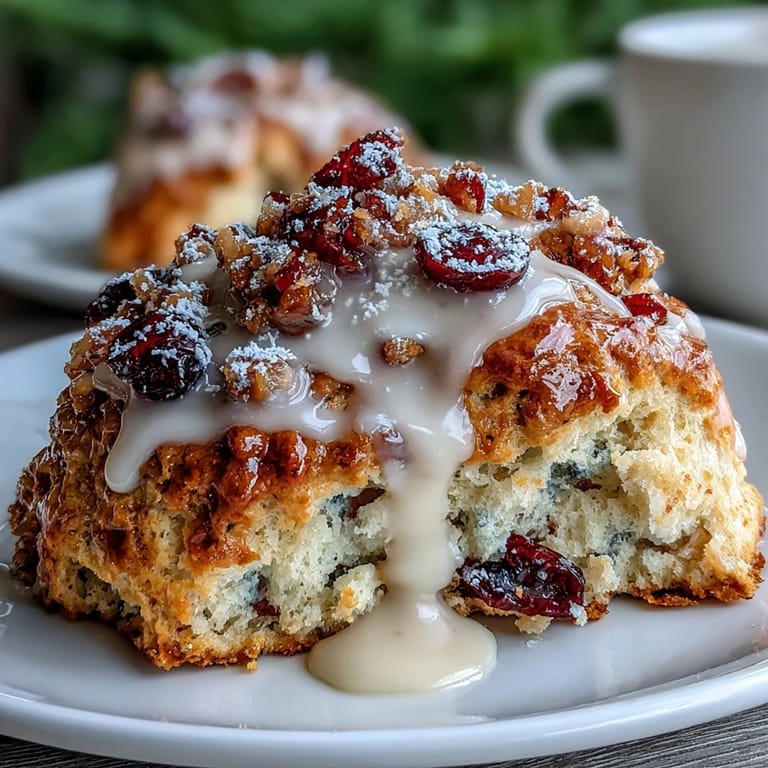
Save There's something about the smell of butter and citrus hitting your kitchen at dawn that makes everything feel like a celebration, even if it's just a quiet Tuesday morning. I discovered these scones by accident, really—I'd bought candied orange peel for a holiday project that never happened, and it sat in my pantry for months giving me the guilt look every time I opened the door. One February morning, I decided to stop wasting it and threw together what I thought would be a simple breakfast, and somehow the tartness of the cranberries and sweetness of the orange created this perfect balance that had my roommate asking for the recipe before she'd even finished her first one. Now I make them whenever I want to turn an ordinary day into something that feels intentional and special.
I made these for a small Valentine's Day brunch last year, nervous because I'd never served homemade scones to guests before, and I remember standing at my kitchen counter watching my friend take that first bite and seeing her eyes light up in that unmistakable way that means you've done something right. The combination of the buttery crumb and those little bursts of candied orange felt romantic without being try-hard, and suddenly I understood why scones matter so much to people—they're humble but they make you feel cared for.
Ingredients
- All-purpose flour (2 cups): This is your structure, your foundation—make sure it's fresh and not packed down when you measure.
- Granulated sugar (1/4 cup): Just enough sweetness to let the fruit shine without overwhelming the tender crumb.
- Baking powder (1 tablespoon): The magic ingredient that gives scones their signature lightness and height without yeast fuss.
- Fine sea salt (1/2 teaspoon): Even in small amounts, salt amplifies the orange and cranberry flavors in a way that feels bigger than the ingredient itself.
- Dried cranberries (1/2 cup): Their slight tartness cuts through the richness and keeps these from tasting one-note sweet.
- Candied orange peel (1/3 cup), finely chopped: This is what elevates the entire batch—chop it small enough that each bite gets a bit of that concentrated citrus punch.
- Orange zest (from 1 orange): Fresh zest brings brightness and prevents the orange flavor from feeling flat or artificial.
- Cold unsalted butter (1/2 cup): The temperature matters more than you'd think—cold butter creates those little pockets that make scones tender rather than dense.
- Heavy cream (2/3 cup): Rich and luxurious, it's what gives these their signature crumb without needing eggs to do all the heavy lifting.
- Egg (1 large): Mostly here for binding, but it also helps with that golden exterior.
- Pure vanilla extract (1 teaspoon): A small amount that rounds out all the other flavors without announcing itself.
- Powdered sugar (1/2 cup) optional: The glaze adds a final touch of sweetness that's completely optional but feels festive.
- Fresh orange juice (1-2 tablespoons) optional: If you're glazing, use fresh juice—it's worth squeezing for.
Tired of Takeout? 🥡
Get 10 meals you can make faster than delivery arrives. Seriously.
One email. No spam. Unsubscribe anytime.
Instructions
- Set Your Stage:
- Preheat your oven to 400°F and line a baking sheet with parchment paper—this keeps the bottoms from browning too quickly and makes cleanup something you'll actually appreciate.
- Build Your Dry Base:
- In a large bowl, whisk together the flour, sugar, baking powder, and salt until everything is evenly distributed. I like to whisk rather than just stir because it aerates the flour slightly and helps the baking powder spread evenly throughout.
- Cut in the Butter:
- Add your cold butter cubes and use a pastry cutter or your fingertips to break them down into the flour until the whole mixture looks like coarse breadcrumbs. The key is keeping the butter cold—if your kitchen is warm, chill your bowl for a few minutes first. Those little butter pieces are what create the flaky layers.
- Fold in the Fruits:
- Gently stir in the cranberries, candied orange peel, and orange zest, making sure they're distributed without pressing or squishing anything. You're building, not breaking down, so stay gentle here.
- Bring it Together:
- In a separate small bowl, whisk the cream, egg, and vanilla until combined, then pour this over the dry mixture. Stir with a spatula or wooden spoon just until everything comes together—this is where most people overwork the dough and end up with tough scones. Stop while it still looks slightly shaggy and let it finish coming together as you shape it.
- Shape Your Scones:
- Turn the dough onto a lightly floured surface and gently pat it into a 1-inch thick disc, then cut it into 8 wedges like you're cutting a pizza. Your hands will do this better than a knife if you're gentle about it.
- Final Brush and Bake:
- Place the wedges on your prepared baking sheet with a little space between them, brush the tops lightly with extra cream (this gives you that gorgeous golden shine), and bake for 16 to 18 minutes until they're deep golden and smell incredible. You'll know they're done when a toothpick inserted in the center comes out clean or with just a crumb or two.
- Cool and Glaze if You'd Like:
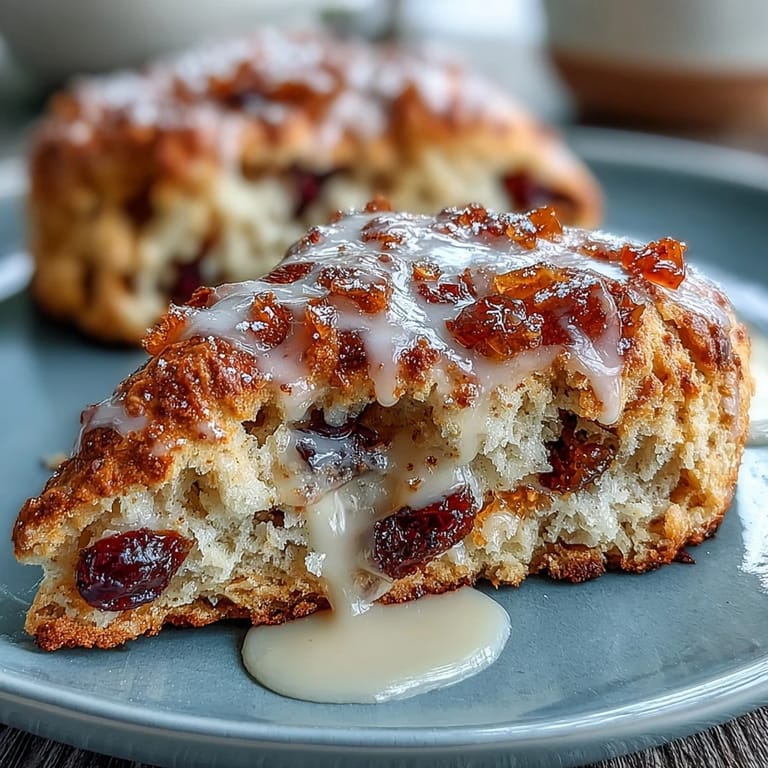
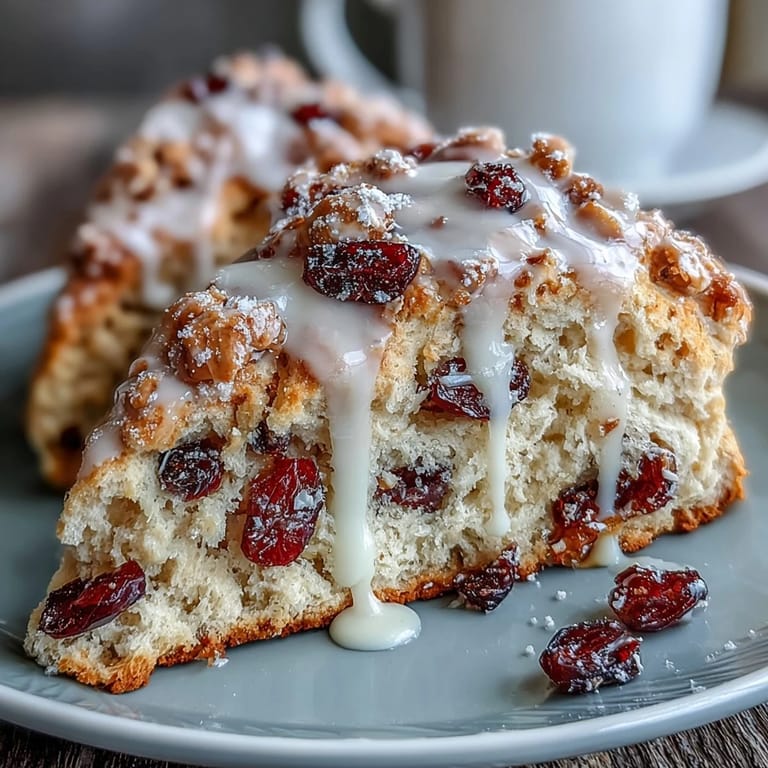
- Let them cool on a rack for at least 5 minutes before glazing—this prevents the glaze from melting into the cracks. If you're making the glaze, simply whisk powdered sugar and fresh orange juice together until it's smooth and pourable, then drizzle it over the cooled scones.
 Save
Save These scones became something more than breakfast the day I made a double batch and left half of them with a neighbor who'd just had surgery, watching her face as she tasted one still warm from the oven and realizing that good food is really just love taking a physical form. That's when I understood these weren't just scones—they were my way of saying I'm thinking of you without saying a word.
The Secret to Tender Scones
Tenderness in scones comes down to three things working together: cold butter, minimal mixing, and not overbaking. I used to make dense, tough scones because I'd mix the dough like it was bread dough, pressing and kneading to feel like I was doing something active. The moment I started treating it like the delicate thing it actually is—barely combining the ingredients and letting my hands do the work gently during shaping—everything changed. It felt almost counterintuitive that doing less could create better results, but that's the magic of scone-making.
Why Candied Orange Peel Works So Well
Candied orange peel carries concentrated flavor without the moisture that fresh citrus brings, which means it doesn't make your dough wet or heavy. The sweetness of the candying process balances the tartness of the cranberries perfectly, and that little bit of chewy texture adds interest to the crumb without being overwhelming. I tried fresh orange segments once thinking it would be better, and the result was mushy and disappointing—the candied version is actually what you want here.
Storage and Variations You Should Try
These scones keep beautifully in an airtight container for three days, and they freeze for up to two months wrapped well in plastic and foil. To refresh them, wrap in foil and warm in a 350°F oven for about five minutes—this brings back the tender crumb without drying them out. You can also experiment endlessly with the additions: golden raisins instead of cranberries, lemon zest instead of orange, or even a mix of dried cherries and the candied peel for a more jewel-toned batch.
- For extra indulgence, dip the cooled scones in melted white chocolate or drizzle dark chocolate over them if you're feeling fancy.
- These scones work for any season—think cranberry-orange in winter, or substitute with blueberries and lemon zest come summer.
- Make the dough the night before, shape and freeze the wedges, then bake straight from frozen with just an extra minute or two added to the baking time.
 Save
Save These scones have become my answer to the question of what to bring when you want to show up as more than just a guest. They're simple enough that you can make them on a weekday morning and confident enough to serve at a proper brunch, which might be the best thing a recipe can be.
Recipe FAQ
- → What gives these scones their tender texture?
The use of cold unsalted butter cut into small cubes and gently mixed helps create a flaky, tender crumb by preventing overworking the dough.
- → Can I substitute dried cherries or raisins for cranberries?
Yes, dried cherries or golden raisins work well as alternatives, providing a different but complementary fruity flavor.
- → What is the purpose of brushing the scone tops with cream?
Brushing with cream before baking helps achieve a golden, slightly glossy crust on the scones.
- → How should I store leftover scones?
Store scones in an airtight container at room temperature for up to two days or freeze them; reheat briefly before serving.
- → Is the orange glaze necessary?
The glaze is optional but adds a sweet, citrusy finish that enhances the flavor and appearance of the scones.