 Save
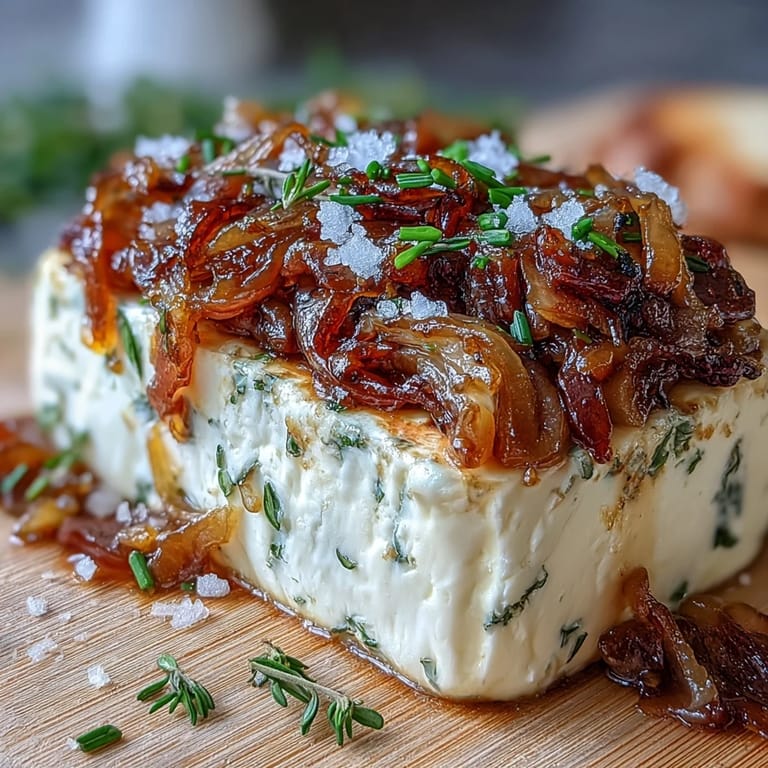
Save There's something almost magical about watching onions transform from sharp and crisp to silky gold over a quiet evening in the kitchen. I stumbled onto this butter board concept by accident when a friend arrived unexpectedly and I had nothing but butter, onions, and half a baguette on hand. What emerged from that improvised moment became something I now make deliberately, because those caramelized onions folded into soft butter create this savory, almost sweet spread that tastes like you've been cooking for hours when really, you've just been patient. The beauty of it is that it feels fancy enough to impress, but honest enough to be entirely yourself.
I served this to a dinner party last autumn, and someone asked if I'd been to culinary school because of how it looked on the board, all swirled and golden. I laughed because the truth is far simpler: good butter, patient onions, and the willingness to let something cook without rushing it. That night, the board emptied before we even sat down to eat, and I caught myself genuinely proud over something that took forty minutes and maybe five ingredients.
Ingredients
- Yellow onions, large and thinly sliced: The thickness matters more than you'd think; thin slices caramelize evenly and collapse into silky strands that blend beautifully into butter.
- Unsalted butter, for cooking: Use real butter here because the flavor compounds are what make those onions taste like they've been kissed with time.
- Olive oil: This prevents the butter from burning at the medium heat where onions truly transform.
- Kosher salt and sugar: Salt seasons while sugar coaxes out the onions' natural sweetness, a trick that feels small until you taste the difference.
- Unsalted butter, softened for the board: Room temperature butter blends silky with the caramelized onions, creating that spreadable luxury.
- Flaky sea salt and fresh herbs: These aren't afterthoughts; they're what catch the light on the finished board and remind you this is meant to be shared.
- Crackers and baguette: Choose sturdy ones that won't crumble under the weight of generous spreading.
Tired of Takeout? 🥡
Get 10 meals you can make faster than delivery arrives. Seriously.
One email. No spam. Unsubscribe anytime.
Instructions
- Melt your butter and oil together:
- In a large skillet over medium heat, let the butter pool and glisten before adding the oil. You want them moving together, creating a golden base that'll cradle your onions.
- Add the onions and season:
- Toss those thin slices into the warm fat, then sprinkle salt and sugar over them. Stir until every piece is glossy and coated, listening for that soft sound of onions settling into heat.
- Embrace the wait:
- Cook for thirty-five to forty minutes, stirring occasionally but not constantly. The onions will go from pale to golden to deep amber; watch the color shift and lower heat if they seem to be darkening too fast.
- Cool and season:
- Once they're caramelized, crack black pepper over them and let them rest to room temperature. This matters because warm onions will wilt the butter you're about to mix them into.
- Blend the butter:
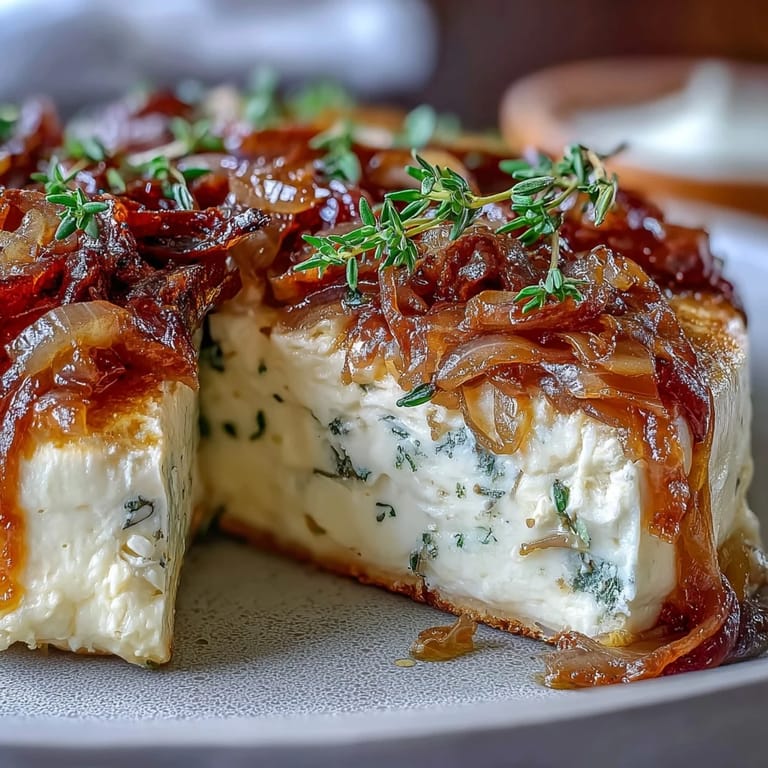
- In a bowl, combine softened butter with half your caramelized onions, flaky salt, chives, and thyme if using. Fold and mix until you have this streaked, spreadable mixture that smells like dinner in the best way.
- Spread and swirl:
- Transfer everything onto your serving board using a spatula, then swirl it with the back of a spoon to create peaks and valleys. This texture matters for presentation and for giving people different experiences of the spread.
- Crown with remaining onions:
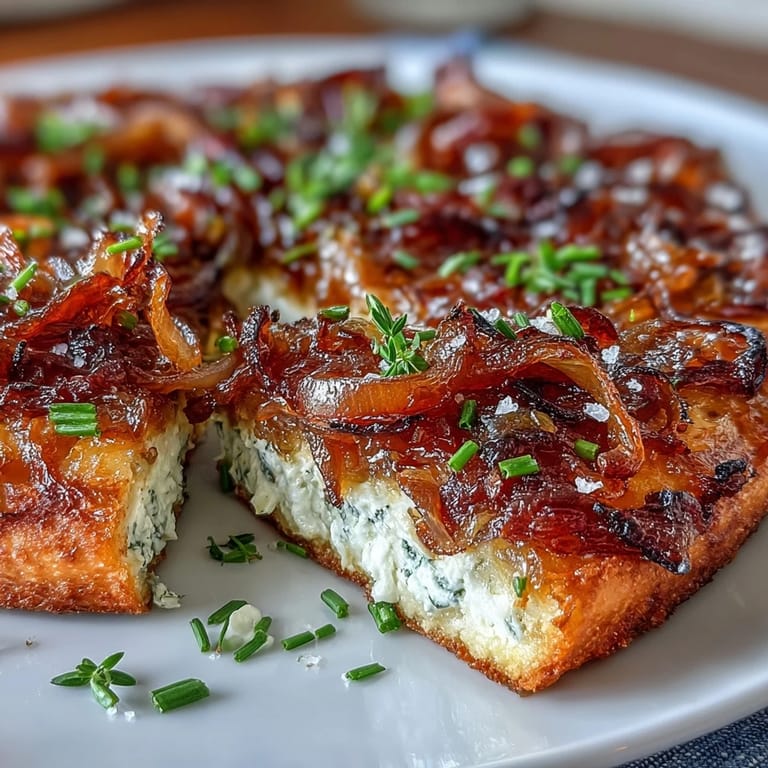
- Spoon the rest of the caramelized onions over the top, then finish with flaky salt, extra herbs, and black pepper. Step back and look at what you've made.
- Serve immediately:
- Bring crackers and baguette slices to the table and watch it disappear.
 Save
Save This spread became my answer to those moments when people show up at your door and you want to feel generous without feeling stressed. There's something about butter boards that says you care enough to assemble something beautiful, but not so much that you've been in the kitchen all day.
The Science of Caramelization
Onions contain natural sugars that only reveal themselves through slow cooking. As heat breaks down cell walls and water evaporates, those sugars concentrate and brown, creating flavors that taste almost nutty and sweet at once. This is why rushing this step doesn't work; you're not just cooking onions, you're unlocking a transformation that transforms them into something entirely different. The Maillard reaction does most of the heavy lifting here, building complex compounds that make people ask what secret ingredient you used when really, it's just time and patience.
Building Flavor Into the Butter
Blending the caramelized onions directly into softened butter distributes their flavor throughout, so every spread tastes like the whole board. I learned this by accident when I tried just layering onions on top of plain butter, and it created uneven bites where some crackers got nothing but butter and others got all the onion. The herbs matter less for flavor than they do for signaling that this is something you've thought about and finished properly. Fresh chives bring a whisper of onion sharpness that plays against the sweetness, while thyme adds an earthy note that grounds everything.
Serving Suggestions and Pairings
This butter board lives best as a first course where it can be the main event, not competing with other appetizers for attention. Pair it with wines that have crisp acidity to cut through the richness, or go savory and serve it alongside cured meats and sharp cheeses that echo its umami depth. You can also multiply the recipe easily for larger crowds, though I've found that boards tend to disappear faster than you expect, so making one extra batch never feels wasteful.
- A splash of balsamic vinegar stirred into the onions during the final five minutes adds unexpected depth that guests will taste but won't quite identify.
- Try shallots instead of yellow onions for a more delicate, refined sweetness.
- Finish with crispy sage leaves or a sprinkle of fleur de sel if you want to push it into fancy territory.
 Save
Save This isn't the kind of recipe that changes your life in obvious ways, but it might change how you think about feeding people. There's an honesty in taking simple ingredients, giving them time, and presenting them without pretense.
Recipe FAQ
- → How do I properly caramelize onions?
Cook thinly sliced onions over medium-low heat with butter and oil, stirring occasionally for 35-40 minutes, until they turn deep golden brown and develop a sweet flavor.
- → Can I prepare the butter mixture in advance?
Yes, combine the softened butter with caramelized onions and herbs, then refrigerate up to 24 hours. Let it soften before serving.
- → What breads pair best with this spread?
Crisp crackers and fresh baguette slices complement the creamy texture and rich flavors perfectly, providing a satisfying contrast.
- → Are there variations to enhance flavor?
Adding a splash of balsamic vinegar during the last minutes of caramelizing adds depth, or substituting shallots creates a milder, sweeter profile.
- → Is this suitable for vegetarians?
Yes, the spread contains butter and caramelized onions, making it appropriate for vegetarian diets but not vegan.