 Save
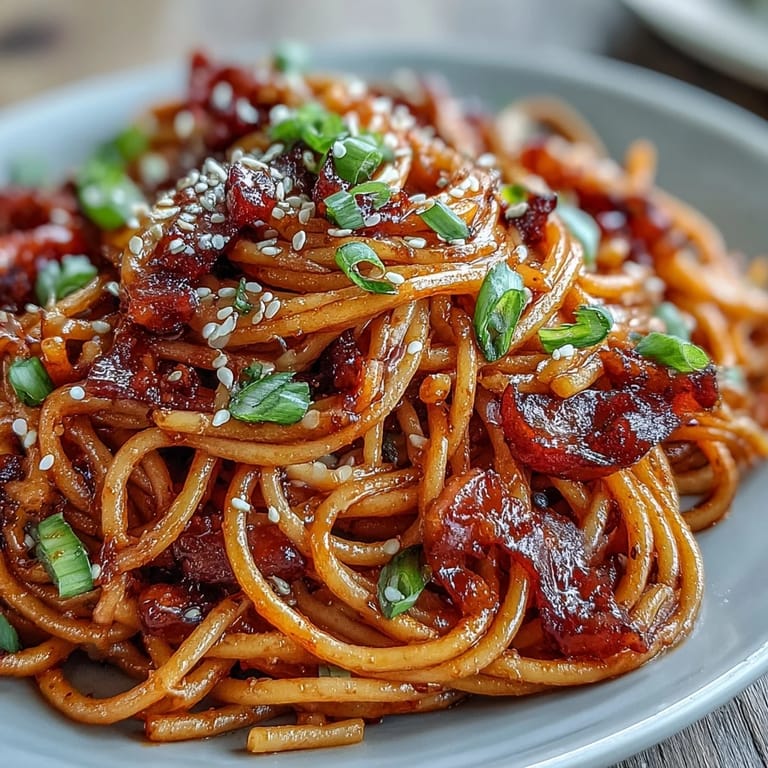
Save Steam curled up from the pot as the noodles tumbled in, and that telltale aroma of garlic melting into butter quickly pulled my housemates into the kitchen. Even before the gochujang hit the pan, its sharp, sweet scent was enough to spark a little excitement. The first time I experimented with this pasta, I didn’t expect it to become an instant favorite. There’s something satisfying about watching the fiery red sauce gloss each strand. It’s a dish that almost demands you taste it straight from the spoon, just to check if the heat is right.
I made this after a walk on a rainy Sunday, the kind when you want something warming but don’t want to spend all night standing over the stove. Within twenty minutes, the sizzle of butter and garlic practically lured my roommate into helping by slicing scallions. The evening ended with us scraping the skillet to make sure not a drop of sauce went to waste.
Ingredients
- Spaghetti or linguine (200 g): Go for a pasta with a bit of bite; I’ve found linguine picks up extra sauce beautifully.
- Salt: Generously salting the boiling water makes a real difference in the pasta’s flavor.
- Unsalted butter (2 tablespoons): Use butter for richness—the creaminess mellows out the gochujang’s heat.
- Garlic (3 cloves): Mince it fine for even flavor; don’t let it brown or it’ll go bitter fast.
- Gochujang (2 tablespoons): This Korean chili paste is the star—start with less if you’re sensitive to spice and taste as you go.
- Soy sauce (2 tablespoons): Adds deep savoriness and balances the dish.
- Honey or maple syrup (1 tablespoon): A little sweetness smooths out the punchy flavors; maple syrup works brilliantly for a vegan swap.
- Pasta cooking water (60 ml): Don’t skip this; the starchy water brings the sauce together into a glossy, clingy finish.
- Spring onions (2, thinly sliced): Toss these on last for bite and freshness.
- Toasted sesame seeds (1 teaspoon): I love the subtle nuttiness and texture on top.
- Freshly ground black pepper: A twist or two wakes up every other flavor.
Tired of Takeout? 🥡
Get 10 meals you can make faster than delivery arrives. Seriously.
One email. No spam. Unsubscribe anytime.
Instructions
- Boil the pasta:
- Fill a large pot with water, add a generous pinch of salt, and bring it to a rolling boil. Cook your pasta until perfectly al dente, then reserve 1/4 cup of that precious pasta water before draining.
- Start the sauce:
- Place a skillet over medium heat and melt the butter—listen for that soft sizzle. Toss in the minced garlic and stir for about a minute, stopping just before it turns golden and fragrant fills the air.
- Add flavor and heat:
- Spoon in the gochujang, soy sauce, and honey, watching the mixture turn a deep, inviting red. Stir for a minute until silky and well combined, tasting for that sweet-umami spark.
- Toss it all together:
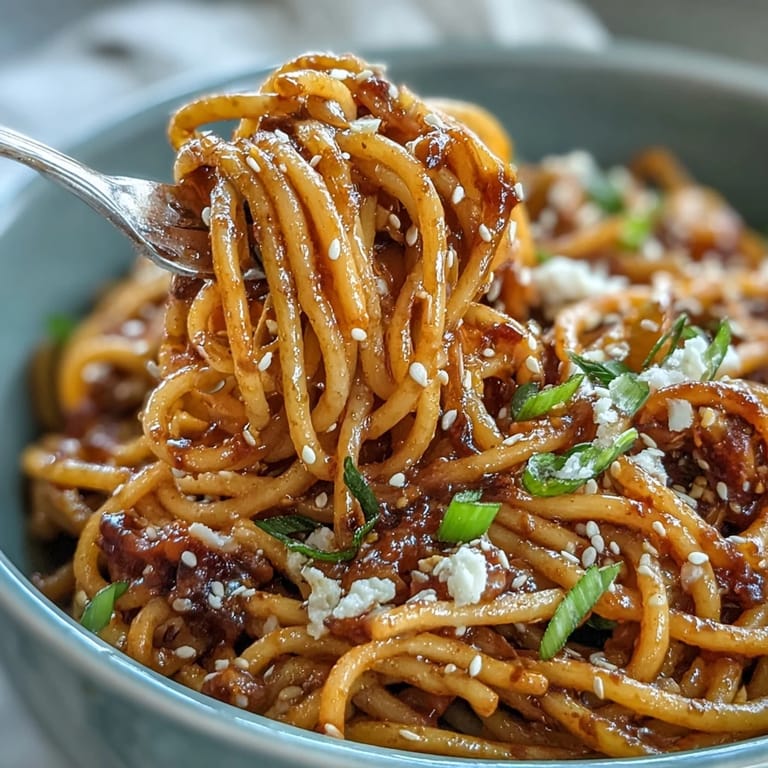
- Add the drained pasta right into the skillet, then pour in that reserved pasta water. Use tongs to twirl and coat every strand, letting the sauce thicken and get glossy over medium heat—about two minutes should do it.
- Separate into bowls and garnish:
- Lift heaps of saucy pasta into serving bowls while it’s still steaming. Shower with sliced spring onion, sesame seeds, and a dusting of pepper for the perfect finishing touch.
 Save
Save 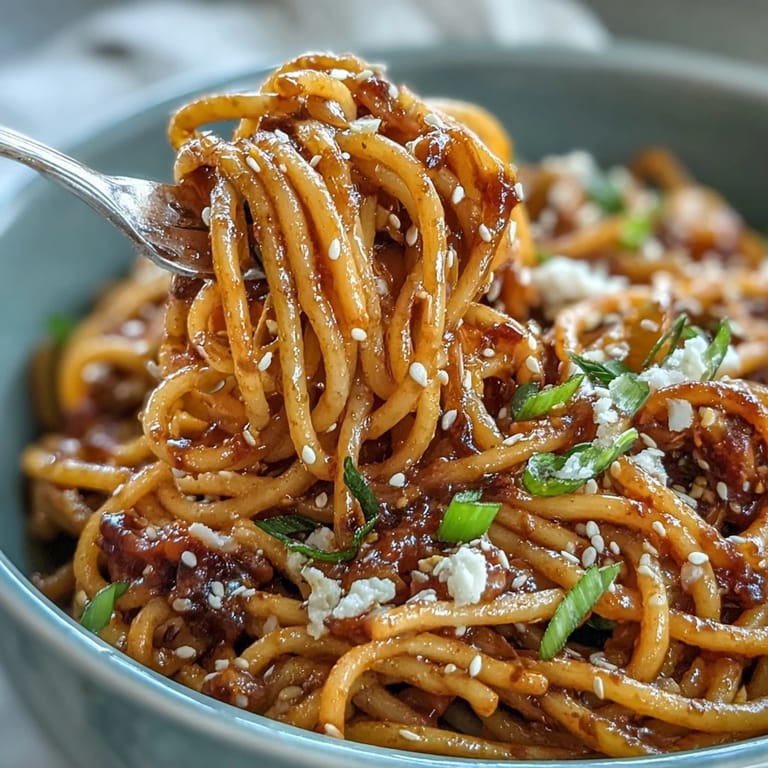 Save
Save When I served this to friends who usually shy away from anything spicy, the empty plates and happy sighs said it all. Somehow, the dish went from ‘let’s try something new’ to ‘please make this again soon’ in just one meal.
Choosing Your Gochujang Matters
There’s a world of difference between brands—some gochujang is funkier, some sweeter, and the heat can sneak up on you. Don’t be afraid to taste a bit before cooking and adjust the amount to your comfort zone.
Exploring Vegan and Gluten-Free Variations
If you swap in vegan butter and maple syrup, you lose none of the creaminess. Gluten-free pasta and tamari keep the dish approachable for all, but double check your gochujang and soy sauce labels—sometimes hidden gluten sneaks in there.
How To Make It Your Own
This pasta begs for little upgrades—toss in wilted spinach, sautéed mushrooms, or top with a jammy boiled egg or handful of crispy tofu. Sometimes I drizzle in a hint of toasted sesame oil at the end for extra aroma. Other nights, a squeeze of fresh lime adds brightness and wakes everything up.
- Go gentle when salting the sauce, since gochujang and soy are salty already.
- Let the pasta mingle in the pan to soak up more sauce.
- Serve it hot for the dreamiest texture.
 Save
Save  Save
Save Hope you enjoy every spicy, buttery bite as much as I do—just be ready for requests to make it again soon.
Recipe FAQ
- → How spicy is the dish and how can I adjust it?
Gochujang brings a warm, sweet heat rather than sharp chili fire. Reduce the amount to tame spice, or mellow it with extra butter and a touch more honey or maple syrup. A dollop of yogurt or cream at the end also softens the heat.
- → Can I swap gochujang for another paste?
Sambal oelek or a mild chili paste can work, but they lack gochujang's fermented sweetness. If using a different chili paste, add a small amount of miso or a dash of brown sugar to mimic the depth.
- → How do I make this version vegan?
Use plant-based butter and replace honey with maple syrup. Check gochujang and soy sauce labels for vegan certification; many are vegan but some contain fish-derived additives.
- → What keeps the sauce glossy and clingy?
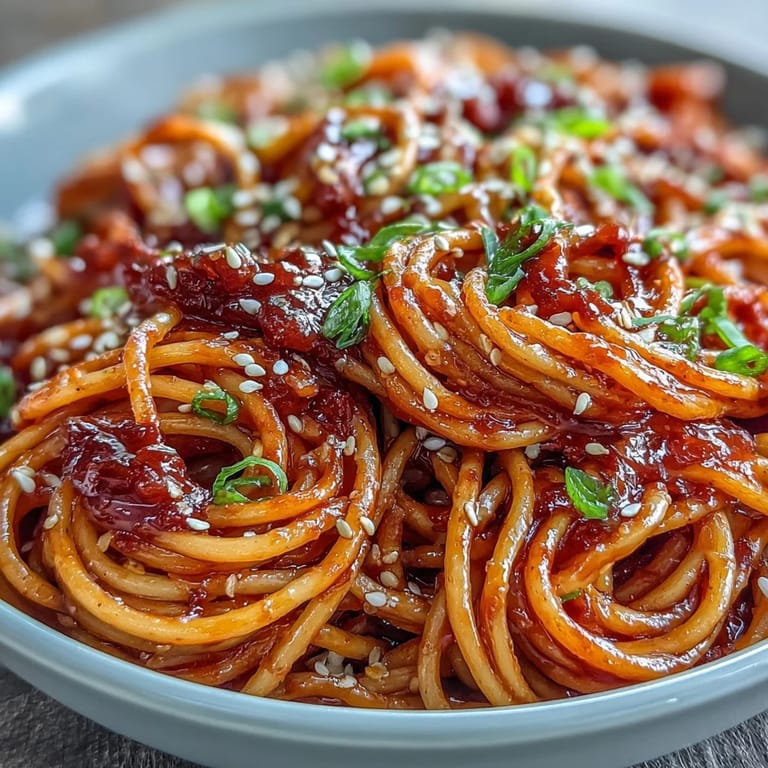
Starchy reserved pasta water plus gentle tossing over medium heat emulsifies the butter and gochujang with the pasta. Start with a small amount of water and add until the sauce reaches a shiny, clingy texture.
- → How should leftovers be stored and reheated?
Cool quickly and refrigerate in an airtight container for up to 3 days. Reheat gently in a skillet with a splash of water or broth, tossing until the sauce loosens and re-coats the pasta.
- → Which pasta shapes work best?
Long strands like spaghetti or linguine let the glossy sauce cling to each strand. Short tubular pasta like rigatoni is fine too—their ridges catch the sauce, offering a slightly different texture experience.