 Save
Save My sister's graduation party was sweltering, and I'd planned to serve regular lemonade in a pitcher—boring, forgettable, done. Then I spotted fresh berries at the farmers market and thought: what if guests could build their own? By the time people started arriving, I had bowls of fruit, herbs, and syrups arranged like a tiny garden on the drink table. Watching someone mix strawberries with lavender syrup, then taste it with genuine surprise, made me realize a simple lemonade bar transforms a beverage into an experience.
I'll never forget watching my eight-year-old nephew balance three different fruits on a spoon above his glass, studying each one like he was making the most important decision of his life. His final creation—blueberries, mint, and a splash of peach syrup—became the signature drink of the afternoon, and by the end of the party, half the guests were copying his formula. That's when I knew this bar wasn't just about serving drinks; it was about giving people permission to play in the kitchen.
Ingredients
- Freshly squeezed lemon juice (2 cups): The difference between a bright, living drink and a flat one lives here—bottled juice fades by comparison, and your hands will smell like summer for hours afterward.
- Granulated sugar (1 1/2 cups): This dissolves cleanly and lets the lemon shine without cloudiness, though honey works beautifully if you prefer a softer sweetness.
- Cold water (8 cups): Start with ice-cold water from the tap or a pitcher you've chilled; warm water takes longer to chill the final batch.
- Ice cubes: Keep way more than you think you'll need—ice melts faster than you'd expect, especially on a warm day.
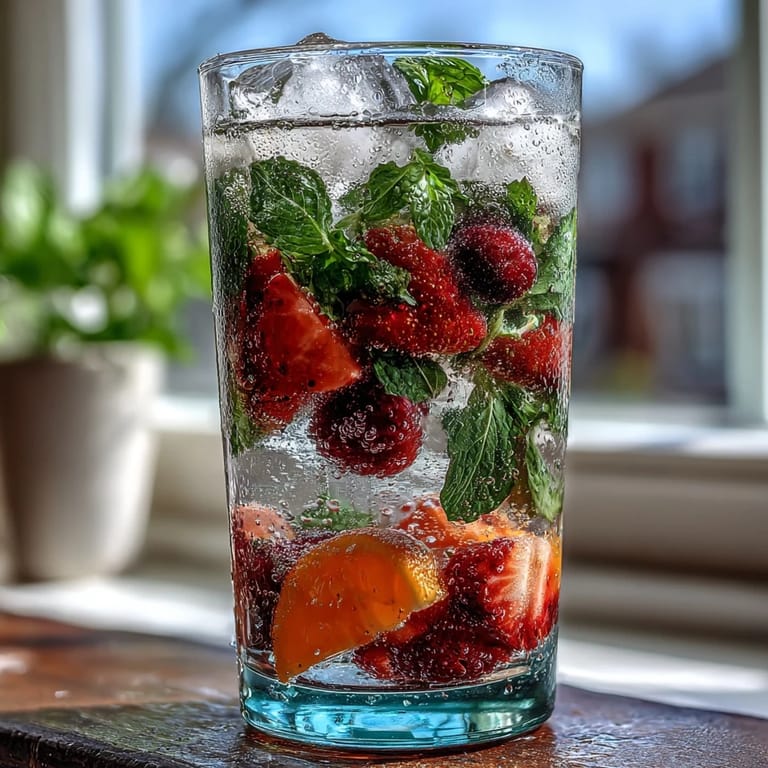
- Strawberries, blueberries, raspberries (1 pint each): Buy them the day before if possible, hull them right before the party, and let guests see the whole fruit so they know what they're getting.
- Oranges and lemons (2 each): Slice them thin enough to see light through them; thick slices look clumsy floating in a glass.
- Pineapple chunks, watermelon cubes (1 cup each): These add tropical sweetness and visual contrast—chilled pineapple in particular feels like a small luxury.
- Cucumber slices (1 cup): A secret weapon for those who want refreshment without sweetness, and they float beautifully.
- Fresh mint, basil, rosemary (1/2 cup each): Mint is the crowd-pleaser, basil surprises people in a good way, and rosemary should be used sparingly because its flavor commands respect.
- Flavored syrups (1/2 cup each, optional): Homemade or store-bought, these small bottles let guests add complexity with just a drizzle.
- Club soda or sparkling water (2 liters, optional): Keep this separate and let guests decide if they want fizz; some prefer the pure lemonade.
Tired of Takeout? 🥡
Get 10 meals you can make faster than delivery arrives. Seriously.
One email. No spam. Unsubscribe anytime.
Instructions
- Mix the base lemonade with intention:
- Whisk lemon juice and sugar together in a large pitcher until every granule dissolves—you'll actually feel it go smooth under the whisk. Pour in cold water slowly, tasting as you go, because what tasted perfect when made in cool morning light might need adjustment for hot afternoon drinking.
- Prepare the fruit and herb add-ins:
- Arrange everything in small bowls or jars so it catches light and looks intentional—muddy piles of fruit feel sad, but berries in a clear bowl with a small spoon feel luxe. Pat berries dry with a paper towel so they don't leak color everywhere and make the setup look tired before guests even arrive.
- Build your bar like a stage:
- Fill your beverage dispenser or pitcher with lemonade and position it as the centerpiece, with the ice bucket off to one side and all the mix-ins fanned out in a gentle arc. Provide glasses, straws, and small napkins right next to the ice so people understand the flow without asking you questions.
- Let guests compose their own drinks:
- Step back and watch the magic happen—write a small sign showing the flavor combinations that work well, or just let people discover their own. Refill the lemonade pitcher when it drops below halfway and refresh the fruit bowls every 30 minutes so nothing looks sad or warm.
 Save
Save There's a moment, usually around the middle of any gathering, when the energy shifts. With this lemonade bar, that shift happened when a quiet guest in the corner mixed cucumber with mint and lavender syrup, then offered it to someone standing alone. Suddenly people were experimenting together, trading tastes, laughing about weird combinations that somehow worked. That's when I realized lemonade bars aren't really about the drink—they're about creating permission for people to be creative and generous at the same time.
Making It Ahead
The lemonade base is your friend here—make it the night before and store it in the coldest part of your refrigerator. The syrups can be prepared days in advance if you're using homemade versions, and most of the fruit (except berries) can be sliced 4 hours ahead and kept covered. Only the delicate berries need last-minute attention, though you can hulled them earlier and keep them in sealed containers. The morning-of work is really just arranging things in bowls and getting ice, which takes maybe 15 minutes of actual effort.
Flavor Combinations That Actually Work
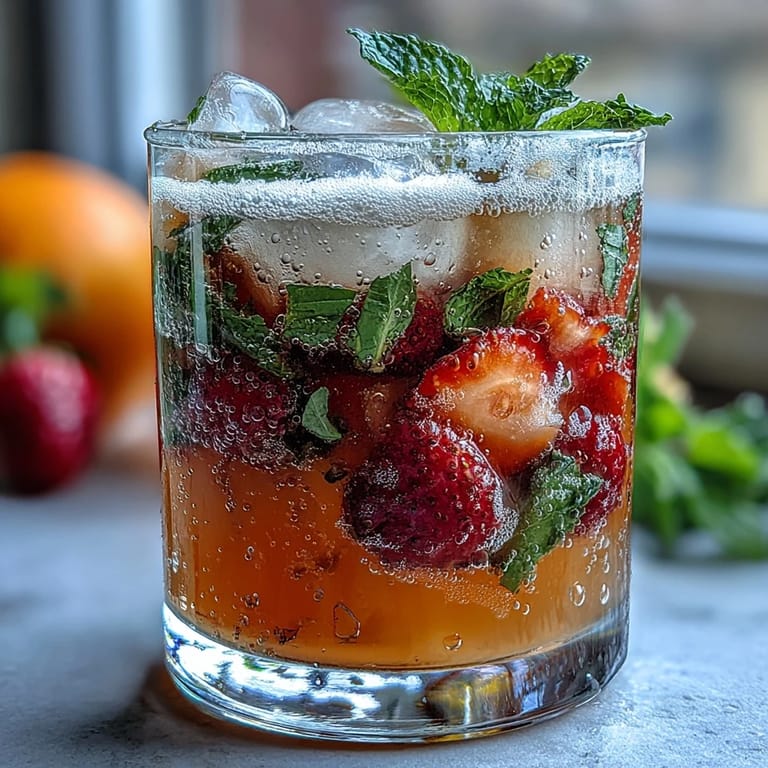
After watching dozens of people make their own combinations, certain pairs emerged as genuine winners. Strawberry with basil tastes like a fancy restaurant cocktail, blueberry with lavender feels medicinal in the best way, and watermelon with mint is the classic combination people reach for when they're not sure what they want. Pineapple works with everything because it's naturally sweet and forgiving, while cucumber shines only if paired with something aromatic like mint or basil. The lesson I learned: trust your instincts about flavor, but always include mint because it's the gateway herb—familiar enough to feel safe, but interesting enough to make people feel adventurous.
Making It Your Own
This isn't a rigid formula, so play with it. If you love ginger, infuse the base lemonade with thin slices and let it steep for 20 minutes before adding water. If you're serving adults, keep a small bottle of vodka under the table with a sign so people can make their own spiked versions. Seasonal variations matter too—spring calls for strawberries and herbs, summer wants everything, fall could feature apple slices and cinnamon-infused syrup, and winter could include orange and pomegranate seeds.
- Use whatever fruit is at peak ripeness when you're hosting, because in-season produce always tastes better and costs less.
- If fresh herbs feel like too much work, skip them—the fruit alone makes this special enough.
- Taste your lemonade base one more time right before guests arrive, because room temperature changes how sweet it tastes.
 Save
Save A lemonade bar is permission wrapped in citrus—permission to try something, to make a mess, to be creative. Every time I set one up, someone discovers a flavor combination they've never considered before, and that small spark of discovery is worth every slice of fruit.
Recipe FAQ
- → How do I prepare the lemonade base?
Whisk fresh lemon juice and sugar until dissolved, then add cold water. Chill before serving.
- → What fresh fruit works best for add-ins?
Try strawberries, blueberries, raspberries, oranges, lemons, pineapple, watermelon, and cucumber slices for vibrant flavors.
- → Can I add herbs to enhance flavor?
Yes, fresh mint, basil, and rosemary add delightful aromatic notes to the drinks.
- → Are sparkling water options recommended?
Sparkling water or club soda can be added for a fizzy, refreshing twist.
- → How should I set up the lemonade bar?
Place pitchers of lemonade, bowls of fruit and herbs, syrup options, ice bucket, glasses, and utensils for easy self-service.