 Save
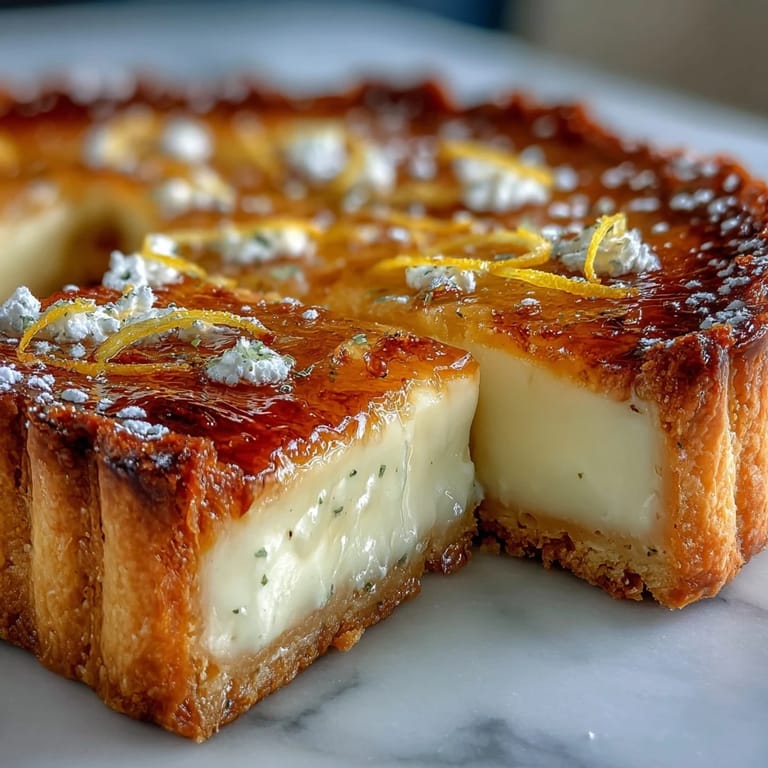
Save There's a particular moment when you crack open a just-baked lemon tart and that bright, tangy aroma hits you—sharp and sweet at once—that made me understand why the French obsess over this dessert. My neighbor once described her grandmother's version as tasting like "spring decided to become a pastry," and the first time I nailed the balance between creamy filling and crisp buttery crust, I got exactly what she meant. The contrast is everything: that snappy bite of pastry giving way to silky, luminous lemon custard that somehow feels both indulgent and refreshingly light. It's the kind of dessert that makes people pause mid-conversation at the dinner table.
I made this for the first time on an unexpectedly warm March afternoon when a friend texted asking if I could whip up something special for her birthday gathering that evening. With only a few hours and a pantry I knew by heart, I decided to trust this recipe, and watching guests close their eyes after that first bite—really close their eyes—told me everything. Someone asked for the recipe before dessert was even finished, which rarely happens unless you've genuinely nailed something.
Ingredients
- All-purpose flour: The foundation of a tender crust; measuring by weight rather than cups prevents the dense, tough pastry that comes from overpacking.
- Unsalted butter, cold and cubed: Cold butter creates those precious flaky layers—if your kitchen is warm, chill your food processor bowl and even the flour beforehand.
- Powdered sugar: It dissolves instantly into the dough, adding subtle sweetness without grittiness like granulated sugar would.
- Fine sea salt: A pinch in both crust and filling awakens the lemon flavor and balances sweetness in a way table salt cannot.
- Egg yolk: The binding agent that holds your crust together while keeping it tender and rich.
- Ice water: Keep it genuinely cold—it prevents the butter from warming and melting into the flour, which ruins your flaky texture.
- Fresh eggs and egg yolks: They create the silky custard texture; farm-fresh eggs with deep golden yolks produce the most beautiful color.
- Granulated sugar: This dissolves smoothly into the filling without any grittiness that powdered sugar would leave behind.
- Freshly squeezed lemon juice: Bottled juice tastes flat and one-dimensional; fresh lemons give you that bright, living acidity that makes the tart sing.
- Lemon zest: Finely grate it just before using to capture all those fragrant oils that fade as soon as they're exposed to air.
- Melted butter, cooled slightly: It enriches the filling and creates that glossy, luxurious texture without making it greasy.
Tired of Takeout? 🥡
Get 10 meals you can make faster than delivery arrives. Seriously.
One email. No spam. Unsubscribe anytime.
Instructions
- Prepare your oven:
- Set it to 350°F (175°C) so it reaches the right temperature by the time you're ready to bake.
- Mix the crust dry ingredients:
- Pulse flour, powdered sugar, and salt in a food processor until combined; this distributes the salt evenly so you don't get bitter spots.
- Work in the cold butter:
- Add cubed cold butter and pulse until the mixture looks like coarse breadcrumbs with some pea-sized pieces still visible—those little butter nuggets become the flaky layers you're after. Stop before it turns into a paste, which happens faster than you'd think.
- Bring the dough together:
- Add the egg yolk and 2 tablespoons of ice water, pulsing gently until the dough just starts to clump; add the extra tablespoon only if it still looks dry and crumbly. You're looking for it to hold together when squeezed, not form a wet ball.
- Rest the dough:
- Turn it onto a lightly floured surface, form into a disk, wrap in plastic, and chill for 30 minutes if time allows—this relaxes the gluten and makes rolling easier. Even 15 minutes helps, though longer is better.
- Line your tart pan:
- Roll the chilled dough to about an 1/8-inch thickness and lay it into your 9-inch tart pan, gently pressing it into the corners without stretching; stretched dough shrinks during baking and leaves gaps.
- Blind bake the crust:
- Prick the base with a fork, line with parchment paper, and fill with pie weights or dried beans to prevent puffing. Bake for 15 minutes, then carefully remove the weights and paper and bake another 10 minutes until the crust turns a pale golden color.
- Whisk the filling:
- In a large bowl, combine eggs, egg yolks, sugar, fresh lemon juice, lemon zest, cooled melted butter, and a pinch of salt, whisking until the mixture is completely smooth with no streaks of egg white visible.
- Pour and bake:
- Pour the filling into the still-warm crust and bake for 20–25 minutes, until the center jiggles just slightly when you gently shake the pan—it will continue cooking as it cools and firm up beautifully. Overbaking creates a curdled, grainy texture, so err on the side of slightly underdone.
- Cool completely:
- Let the tart cool to room temperature on a wire rack, then refrigerate for at least 2 hours; this allows the filling to set properly and the flavors to meld.
- Finish and serve:
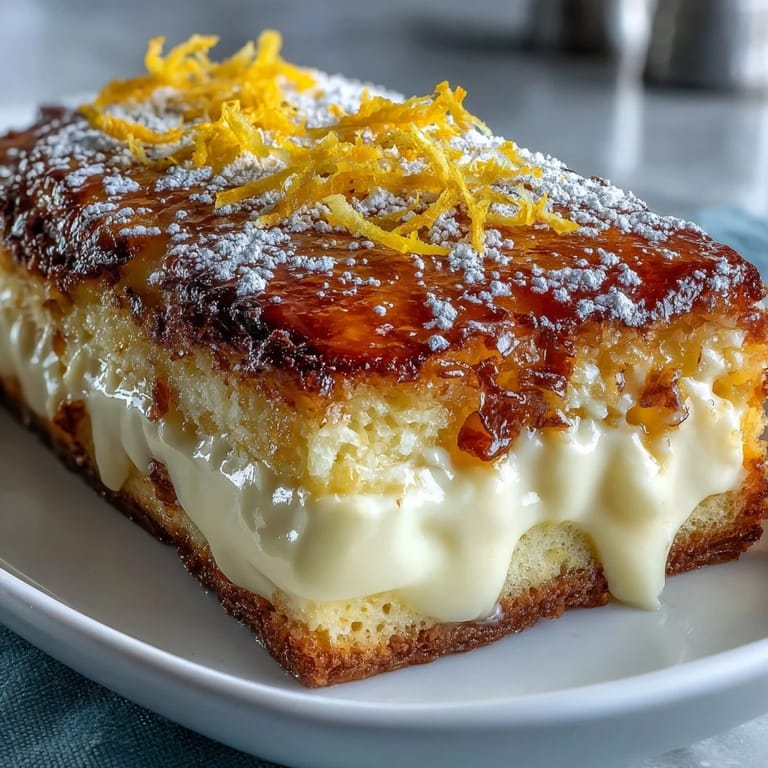
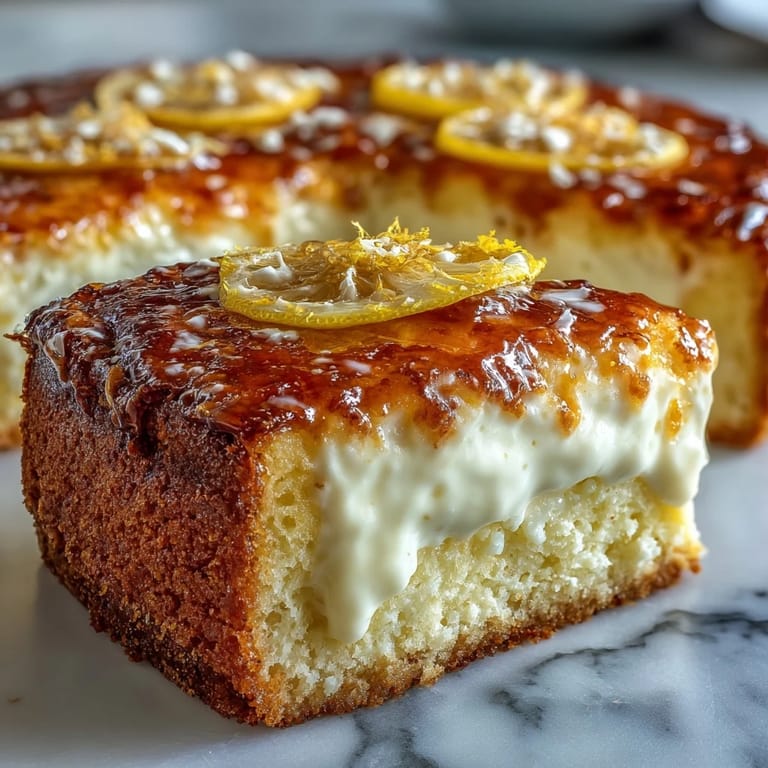
- Dust lightly with powdered sugar just before serving and add whatever garnish calls to you—lemon slices, fresh berries, or a few mint leaves for a pop of green.
 Save
Save There was an evening when I served this tart to my mother for the first time, and she took one bite, set down her fork, and just looked at it for a long moment before saying, "This is what I wanted to make when I was your age but never quite figured out." We sat in the kitchen together afterward and she told me about the failed tarts from her twenties, the ones that came out too runny or too brown, and somehow sharing this one—the version that actually worked—felt like bridging something between us. Food does that sometimes, transforms from just being dinner into a small act of connection.
Choosing Your Lemons
The quality of your lemons determines whether this tart tastes transcendent or merely pleasant, so it's worth seeking out the good ones. Look for lemons that feel heavy for their size—they contain more juice—and have thin, smooth skin rather than thick, dimpled rind. Meyer lemons, if you can find them, are slightly sweeter and less harsh than regular Lisbon or Eureka varieties, though any fresh, bright-smelling lemon will do beautifully. Room-temperature lemons yield more juice than cold ones, so leave them on the counter for a bit before squeezing, or roll them firmly on the counter under your palm to break down the cells and release the juice more easily.
The Secret to a Crispy Crust
A tart crust only stays crisp if you keep three things in mind: cold butter, proper blind baking, and respect for the resting period. The butter needs to stay distinct from the flour in little pockets so that when heat hits it, it creates steam and flake-producing separation; warm butter melts into the flour and creates a tough, dense cookie instead. Blind baking with weights for exactly 15 minutes ensures the base sets firmly enough to hold the filling without becoming hard and dry—it's a narrow window, but worth honoring. And that 30-minute chill before rolling? It's not optional if you want tender, flaky results; it relaxes the gluten strands that form when you work the dough, preventing shrinkage and tough spots that resist rolling.
Making It Your Own
While this recipe is beautiful as written, some of the most memorable versions come from small, thoughtful variations that suit your own taste and what's available to you. Blood orange or pink grapefruit juice can replace a portion of the lemon juice if you want a subtle shift in flavor and a gorgeous color change—try half lemon, half blood orange for something almost floral. Lime works wonderfully too, creating a tropical brightness that pairs oddly well with the buttery crust. A tablespoon of elderflower cordial or a teaspoon of vanilla extract can be whispered into the filling for complexity, and some cooks swear by adding a tiny pinch of cardamom or a single bay leaf during blind baking for an almost imperceptible warmth.
- Brush the blind-baked crust with a light egg wash before pouring in the filling to create an extra moisture barrier that keeps everything crisper.
- If you prefer a sweeter tart, add an extra 2 tablespoons of sugar to the filling, though taste it before you bake to know exactly what you're getting.
- Let any garnishes be the last thing you add, right before serving, so lemon slices stay translucent and berries don't weep into the filling.
 Save
Save This tart has taught me that some of the most elegant desserts are actually quite forgiving if you understand the few things that truly matter—cold butter, proper timing, fresh lemons, and the courage to trust what you're making. Serve it with a generous dollop of whipped cream or crème fraîche, a glass of chilled Sauternes, and watch people remember why they love eating dessert.
Recipe FAQ
- → How do I achieve a crisp, buttery crust?
Use cold unsalted butter cut into flour and sugar, then chill the dough before baking to create a flaky texture.
- → Can I substitute lemon juice with another citrus?
Yes, blood orange or lime juice can be used to vary the flavor while maintaining citrus brightness.
- → How to know when the filling is perfectly baked?
The filling should be just set but slightly wobbly in the center to ensure a smooth, creamy texture once chilled.
- → What is the best way to chill the tart before serving?
Cool the tart completely on a wire rack, then refrigerate for at least two hours to let the filling fully set.
- → Are there garnish suggestions to complement the tart?
Powdered sugar, thin lemon wheels, fresh berries, or mint leaves add freshness and visual appeal.