 Save
Save I discovered this dish on a random Tuesday evening when a friend sent me a video of layered pasta with yogurt and spiced butter, claiming it would change my weeknight dinners. Skeptical but curious, I grabbed ground turkey from the fridge and started improvising. Twenty minutes later, I had something that tasted far more sophisticated than the five ingredients scattered across my counter suggested. The magic wasn't in complexity—it was in letting simple flavors speak for themselves, layered just right.
The first time I made this for my partner, I was nervous about the yogurt sauce curdling when the hot pasta hit it, so I kept the components separate until plating. Watching them taste it and immediately ask for seconds felt like I'd cracked some secret code. Now it's become our go-to when we want something that feels restaurant-quality without the stress.
Ingredients
- Pasta (350 g dried, penne or fusilli work beautifully): Choose a shape with texture so the turkey and sauce cling to every piece instead of sliding off.
- Lean ground turkey (500 g): The leanness means the paprika and cumin flavors shine through without getting muted by excess fat.
- Onion and garlic: These become your flavor foundation—don't rush the onion's softening, it deepens everything that follows.
- Olive oil (2 tbsp): Use it to start the turkey, it carries the heat and helps everything cook evenly.
- Ground cumin and smoked paprika (1 tsp each): These spices are the soul of the dish; measure them carefully because they define the Turkish character.
- Black pepper and salt: Taste as you season the turkey mixture; you'll know it's right when you can't quite name what makes it taste so good.
- Plain Greek yogurt (300 g): The tanginess cuts through the richness of the butter and keeps the dish balanced.
- Lemon juice (from ½ lemon): This brightens everything—don't skip it, even if you think yogurt sauce needs nothing else.
- Unsalted butter (60 g): You'll melt this with paprika to create a silky, aromatic finish that ties the whole plate together.
- Aleppo pepper or red pepper flakes (optional): A small pinch adds a subtle heat and earthy complexity that regular chili flakes can't quite match.
- Fresh dill or parsley: The herbaceous finish makes you feel like you're eating something garden-fresh and intentional.
Tired of Takeout? 🥡
Get 10 meals you can make faster than delivery arrives. Seriously.
One email. No spam. Unsubscribe anytime.
Instructions
- Start your water and pasta:
- Bring a large pot of salted water to a rolling boil and cook your pasta until it's just tender but still has a slight resistance when you bite it. This is al dente, and it matters because overcooked pasta will turn mushy once it meets the sauce. Reserve about half a cup of that starchy pasta water before you drain—you'll use it to loosen the sauce into something silky rather than heavy.
- Build the turkey base:
- While the pasta cooks, heat your olive oil in a large skillet over medium heat and add the chopped onion. Let it soften for 3 to 4 minutes until it turns golden and translucent; this is when it stops being sharp and becomes sweet. Listen for a gentle sizzle, not an aggressive sear.
- Add aromatics and turkey:
- Stir in the minced garlic and let it become fragrant in about a minute, then add your ground turkey, breaking it up with a wooden spoon as it hits the heat. Cook it for 6 to 8 minutes, stirring occasionally, until the pink disappears completely and the meat is browned in spots but still tender.
- Season with warmth:
- Sprinkle cumin, smoked paprika, black pepper, and salt over the turkey mixture and stir gently for another couple of minutes. The heat will wake up the spices, and your kitchen will suddenly smell like something special. Trust that smell—it means you're on the right track.
- Prepare the yogurt sauce:
- In a separate bowl, whisk together Greek yogurt, a grated clove of garlic, salt, and lemon juice until smooth and pourable. The grated garlic dissolves into the yogurt rather than giving you chunks, and the lemon juice prevents it from tasting too rich or one-dimensional.
- Make the spiced butter:
- In a small saucepan, melt butter over medium heat and add paprika and optional Aleppo pepper, swirling it gently just until it becomes fragrant. Remove it from heat immediately—you want it to smell incredible, not look browned or burned.
- Bring everything together:
- Toss your drained pasta with the turkey mixture, adding reserved pasta water a splash at a time until the sauce coats everything in a silky layer rather than clumping. The starch in the pasta water is what transforms loose ingredients into something cohesive.
- Plate with intention:
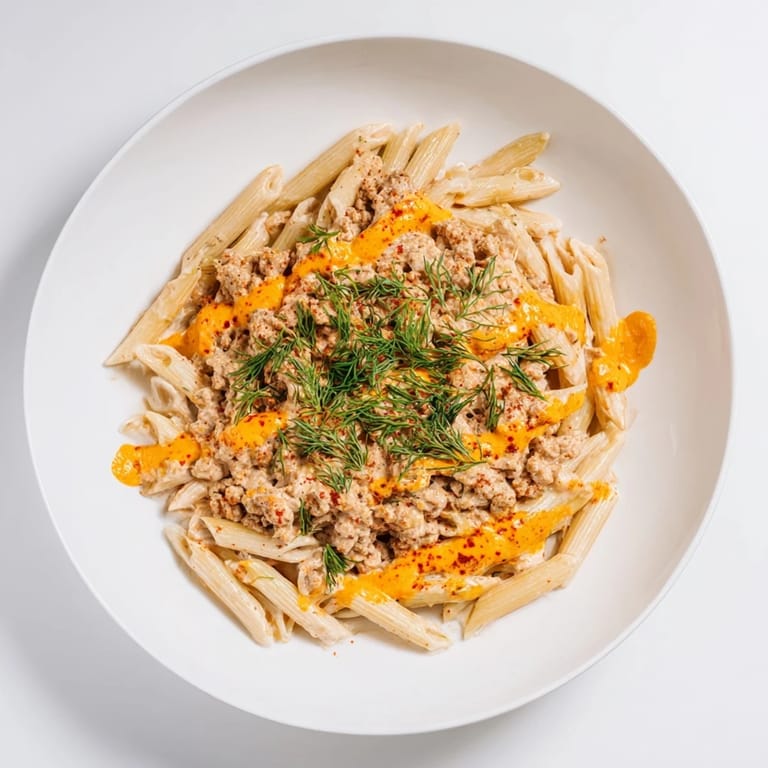
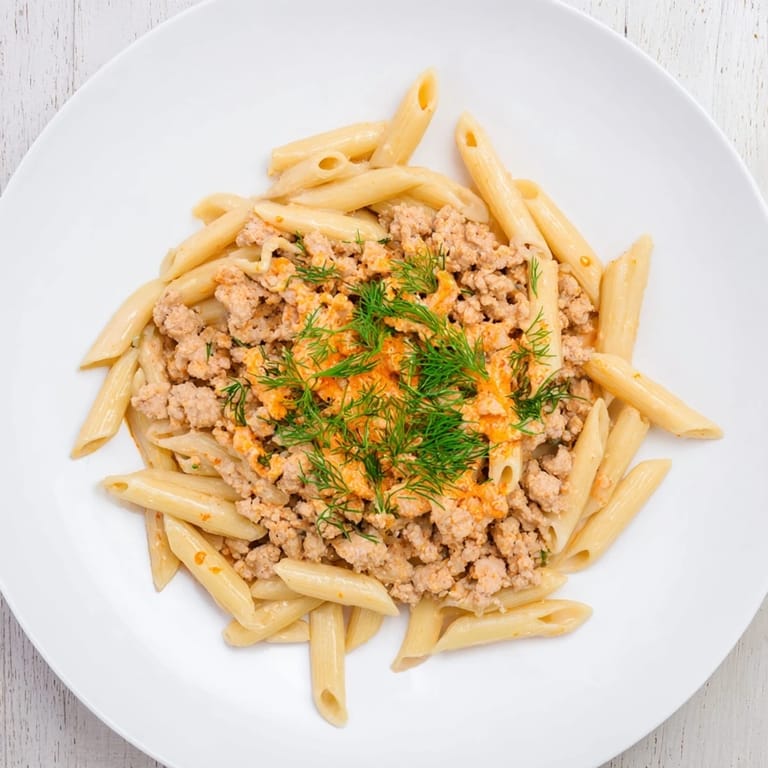
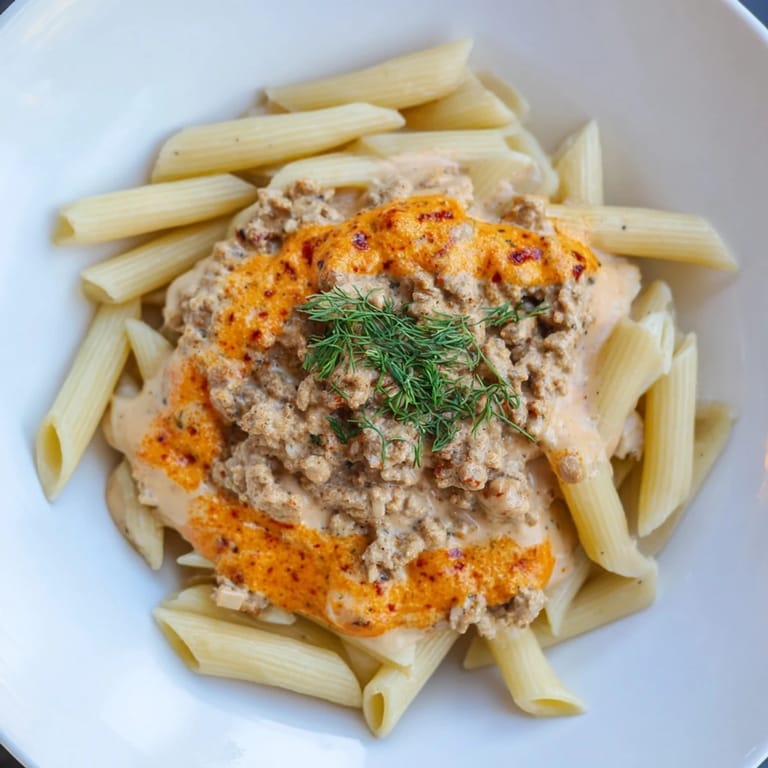
- Spoon a generous amount of yogurt sauce onto each plate, top it with the pasta and turkey mixture, then drizzle with warm spiced butter and finish with fresh dill or parsley. The cool yogurt against the warm pasta creates a temperature contrast that makes each bite more interesting than it sounds.
 Save
Save There's a moment right before you drizzle that warm butter over everything when you can already tell this is going to taste good. It's in the aroma, the color contrast, the way the dish suddenly looks like something you'd pay for in a restaurant. That's when I remember why I love cooking—it's not about following rules, it's about those small sensory moments that tell you something right is happening.
Why This Dish Works
Turkish cuisine has taught me that flavor doesn't come from complexity—it comes from respecting individual ingredients and letting them play together without overwhelming each other. The paprika and cumin aren't fighting for attention; they're creating a warm, earthy foundation. The yogurt isn't just a cool addition; it's a flavor anchor that prevents the spices from becoming one-dimensional. This is a dish that proves you don't need a long ingredient list to make something memorable.
Customizing Your Plate
I've made this with ground chicken when turkey wasn't available, and honestly, it works just as well. Beef would make it heartier, richer. I've also added sautéed spinach or roasted eggplant when I wanted more vegetables, and the yogurt sauce welcomes them without complaint. Each version tastes different but feels equally authentic, which tells me the dish is built on a solid flavor foundation rather than rigid rules.
Serving and Pairing
Serve this with something that echoes its freshness—a simple cucumber and tomato salad with olive oil and lemon is perfect, or even just crisp vegetables and hummus on the side. I've found that drinks matter here too; something cold and slightly fizzy cuts through the richness beautifully, whether that's sparkling water with lemon or a light white wine if you're in the mood.
- A cool salad of diced cucumbers, tomatoes, and red onion balances the warm spices perfectly.
- Keep extra lemon wedges at the table so people can brighten their plate to their liking.
- This reheats well, but the yogurt sauce tastes better when added fresh, so store them separately.
 Save
Save This is the kind of dish that quietly became a favorite without me planning for it to. It asks for nothing fancy, delivers something genuinely delicious, and somehow feels like you've done something special.
Recipe FAQ
- → What type of pasta works best?
Penne, fusilli, or shell pasta hold the sauce well and provide a satisfying texture.
- → Can I substitute the ground turkey?
Yes, ground chicken or beef can be used for a different flavor profile.
- → How is the paprika butter prepared?
Butter is gently melted with sweet or smoked paprika and Aleppo pepper for a fragrant, rich drizzle.
- → What is the role of the yogurt sauce?
It adds creaminess and a tangy brightness, balancing the savory spices and richness of the butter.
- → Are there suggested garnishes?
Fresh dill or parsley provide a fresh herbal note that complements the dish's flavors.
- → How can I add more vegetables?
Incorporate sautéed spinach or roasted eggplant for added texture and nutrition.