 Save
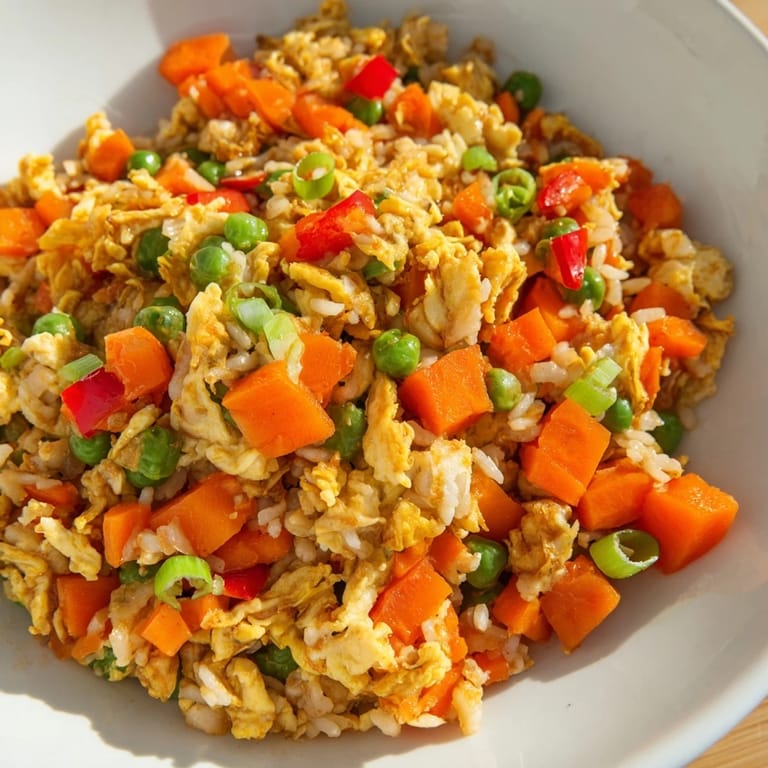
Save There's something almost meditative about the sizzle of cold rice hitting hot oil, the sound that tells you everything is about to come together in minutes. I learned to make fried rice out of necessity one Tuesday night when I had half a container of leftover rice and absolutely nothing in the fridge except eggs and whatever vegetables were lurking in the crisper drawer. What emerged was so unexpectedly delicious that I've been refining it ever since, and now it's the dish I turn to when I want something satisfying without the fuss.
I made this for my sister one rainy Saturday when she showed up unannounced, claiming she was starving and everything sounded too complicated to cook. Watching her face light up when she took that first bite—when she realized how simple it was but how good it tasted—was the moment I stopped apologizing for making fried rice when someone came over. Now it's kind of our thing.
Ingredients
- Leftover rice (2 cups, cold): Day-old or cold rice is non-negotiable here—warm rice gets mushy and clumps together, which defeats the whole purpose of the crispy, separated texture you're after.
- Eggs (2 large): These become the protein base and add richness; beating them first means they distribute evenly throughout the rice instead of clumping in one corner.
- Carrots (1/2 cup diced): The slight sweetness cuts through the salt, and they hold their shape better than softer vegetables if you're not careful with timing.
- Frozen peas (1/2 cup, thawed): I use frozen because they're already partially cooked and won't turn to mush; thawing them first prevents random cold pockets in your finished dish.
- Scallions (1/4 cup chopped): Split them into whites and greens—the whites go in early for subtle onion flavor, and the greens go on at the end for a fresh, sharp bite.
- Bell pepper (1/2 cup diced, optional): Any color works, though I tend toward red or yellow because they add sweetness without the bite of green peppers.
- Soy sauce (2 tablespoons): This is your seasoning anchor; low-sodium lets you control the salt level, which matters more than you'd think.
- Sesame oil (1 teaspoon): A small amount is all you need—it perfumes the entire dish and adds a toasted, nutty depth that makes people ask what your secret is.
- White or black pepper (1/4 teaspoon): A gentle finish that brightens everything without overwhelming the other flavors.
- Vegetable oil (2 tablespoons): You need something neutral-tasting that can handle high heat without smoking.
Tired of Takeout? 🥡
Get 10 meals you can make faster than delivery arrives. Seriously.
One email. No spam. Unsubscribe anytime.
Instructions
- Get everything ready:
- Chop your vegetables into roughly the same size so they cook evenly, thaw your peas if they're frozen, and beat your eggs in a bowl with a pinch of salt. This takes two minutes and means you're not scrambling for a knife once the pan gets hot.
- Scramble the eggs first:
- Heat a tablespoon of oil in your skillet or wok over medium-high heat until it shimmers, then add the beaten eggs and let them sit for just a few seconds before stirring gently. You want them just set but still tender, almost creamy—pull them out before they look fully done and they'll be perfect.
- Build your vegetable base:
- Add the remaining oil to the pan and let it get hot again, then add your carrots and bell pepper. Stir them every thirty seconds or so for about two minutes until they've softened slightly but still have a tiny bit of crunch.
- Add the faster-cooking vegetables:
- Toss in the peas and white parts of the scallions, stirring constantly for about a minute. The pan should smell incredible at this point—that's how you know the heat is right.
- Introduce the rice:
- Break up any clumps of cold rice with your spatula as you add it to the pan, then keep stirring and tossing for two to three minutes. Listen for the rice to start making a gentle clicking sound as it hits the hot pan—that's when you know it's getting toasted and flavorful.
- Season generously:
- Drizzle the soy sauce and sesame oil over everything and toss for about a minute, making sure every grain of rice gets coated. The whole pan will smell savory and deep.
- Bring it all together:
- Return the scrambled eggs to the pan and stir everything together for one more minute so the eggs distribute throughout. Taste it and add a pinch of pepper or more salt if it needs it—this is your moment to adjust.
- Finish and serve:
- Remove from heat, scatter the green parts of the scallions on top, and serve immediately while everything is still hot and the rice still has that slight crispness from the pan.
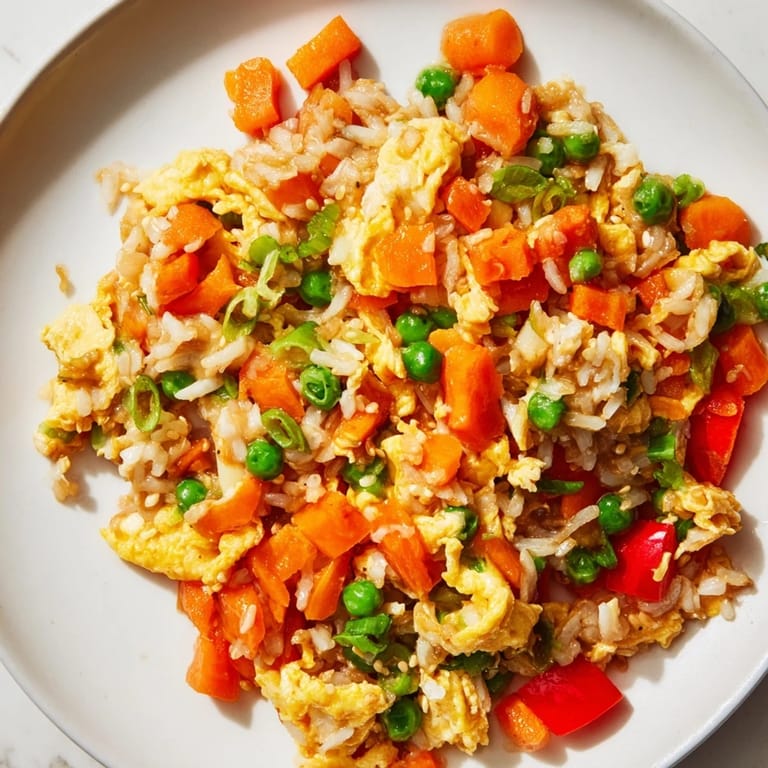 Save
Save The best part about this dish might be that it taught me not to feel guilty about leftovers. Now when I make rice for dinner, I intentionally make extra, knowing it's the foundation for something equally delicious coming up in the next few days.
How to Use What You Have
The beauty of fried rice is that it's endlessly adaptable—it's almost impossible to mess up if you follow the basic formula of cold rice, high heat, and good seasoning. I've made it with corn instead of peas, broccoli florets, snap peas, or even just whatever color peppers were on sale that week. Some nights I'll add a handful of frozen shrimp right after the eggs come out, or a can of drained chickpeas if I'm going vegetarian, and it still tastes restaurant-quality.
Flavor Variations That Actually Work
Once you nail the basic version, little additions make it feel completely different without requiring any new equipment or skills. A teaspoon of minced garlic or fresh ginger added right when the vegetables go in changes the entire character of the dish, leaning it toward more aromatic and complex. Some people add a splash of fish sauce or a touch of soy sauce's funkier cousin, and it deepens everything in a way that's hard to describe but unmistakable when you taste it.
Making It a Meal
On its own, this is a complete dinner—the eggs give you protein, the rice is your base, and the vegetables add nutrition and texture. But there are easy ways to round it out if you want something more substantial or are feeding hungrier people, and they all come together in the same twenty minutes. A bowl of this alongside a simple soup, a side salad, or even just some pickled vegetables makes it feel like you spent way more time than you actually did.
- Add cooked rotisserie chicken, shrimp, or crumbled tofu while returning the eggs to the pan for extra protein.
- Serve alongside a quick cucumber salad or some pickled vegetables for brightness and acid that cuts through the richness.
- Have hot sauce, extra soy sauce, or a squeeze of lime juice on the table so people can adjust the flavor to their taste.
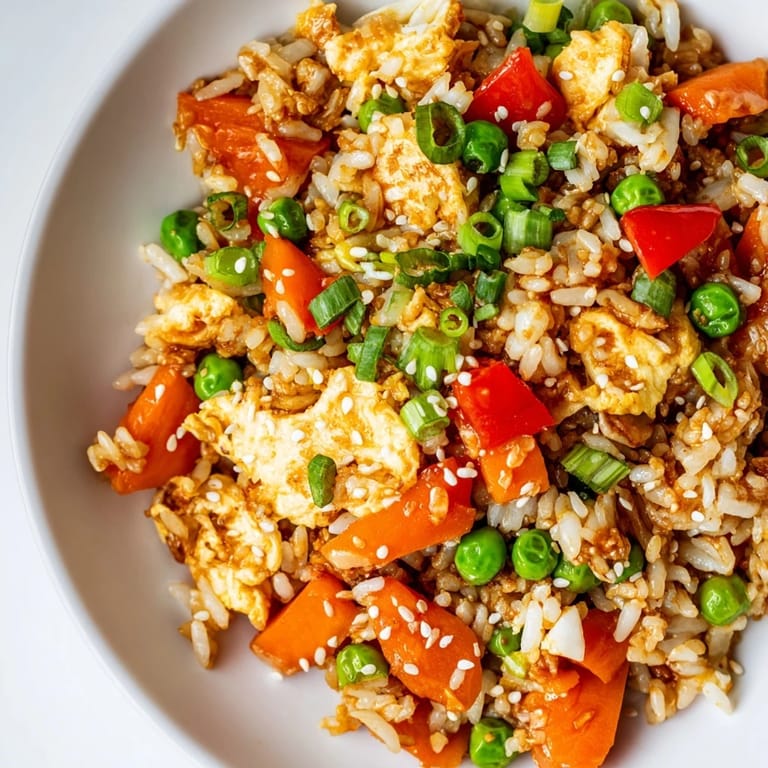 Save
Save This is the dish I return to when I want something fast and genuine, when I'm tired but still want to eat well. It's taught me that some of the most satisfying meals don't require a long ingredient list or complicated technique—just good timing, high heat, and ingredients treated with respect.
Recipe FAQ
- → What type of rice works best?
Day-old or leftover rice is preferred as it’s drier and separates better, preventing clumping during stir-frying.
- → Can I use other vegetables?
Yes, swap carrots or peas with corn, snap peas, broccoli, or any quick-cooking veggies for variety.
- → How do I prevent eggs from overcooking?
Scramble eggs quickly over medium-high heat until just set, then remove from pan before combining later.
- → Is there a preferred oil for stir-frying?
Vegetable or neutral oils work well for high-heat cooking; sesame oil adds flavor when drizzled at the end.
- → Can I add protein to this dish?
Yes, cooked chicken, shrimp, or tofu can be added to increase protein content and texture complexity.