 Save
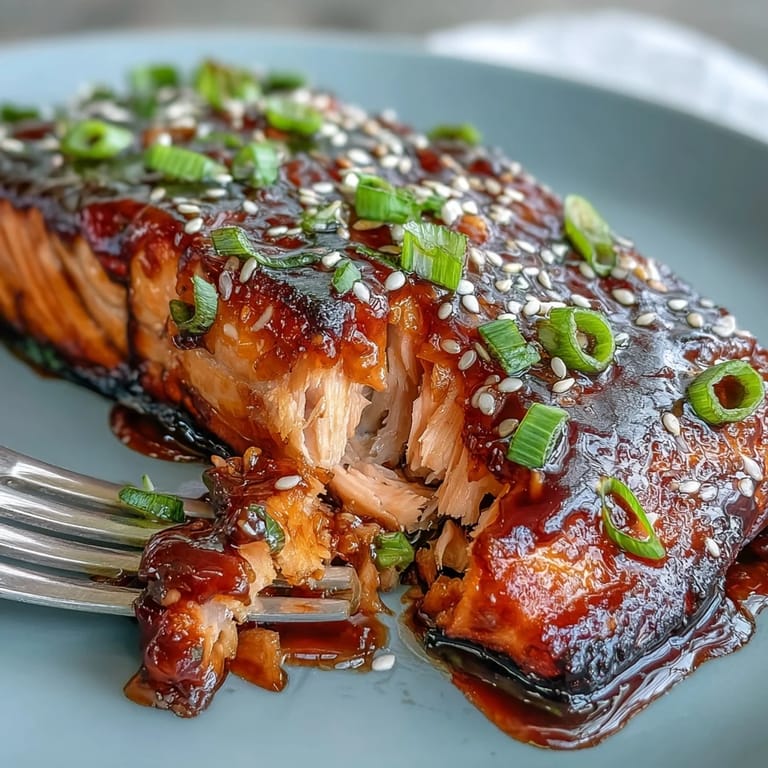
Save Working late one Tuesday evening, I found myself craving something deeply savory but not too heavy on effort: miso glazed salmon was the answer. The aroma of sesame oil hitting the skillet was the moment my spirits finally lifted, even as rain battered the window. I’d never thought a quick marinade could deliver such complexity, but the ginger and miso transformed familiar salmon into something new. And while bok choy often languished in my crisper, this time it would be the bright, crunchy counterpoint. That night, this simple dish outshined even my favorite takeout.
One evening I cooked this for my friend Sam, who'd never tried miso outside of soup. Halfway through dinner she stopped mid-bite to ask for the recipe, laughing because she'd described herself as a fish skeptic that very morning. Cooking for her nudged me to keep sharing new flavors, especially when the response is pure delight.
Ingredients
- Salmon fillets: Choose fresh, firm fillets; leaving the skin on gives a lovely crisp if you broil just right.
- White miso paste: This delivers that unforgettable umami depth—whisk well so it melts into the marinade.
- Soy sauce: Low-sodium helps balance the saltiness and lets the miso shine.
- Honey (or maple syrup): A subtle sweetness that pairs perfectly with the miso’s savoriness, and maple syrup brings a hint of warmth for vegan swaps.
- Rice vinegar: A tiny splash lifts the glaze—taste and adjust as you like.
- Fresh ginger: Grate it fine for a zing without big bits.
- Garlic: Mince or microplane to avoid any harsh raw bites.
- Sesame oil: Toasty and aromatic; be generous in the wok for bok choy.
- Baby bok choy: Halve lengthwise for pretty presentation and quick cooking.
- Toasted sesame seeds: Sprinkle just before serving—the crunch is worth it.
- Spring onions: Use both green and white parts for color and mild flavor.
- Lime wedges: Optional, but a squeeze at the end wakes everything up.
Tired of Takeout? 🥡
Get 10 meals you can make faster than delivery arrives. Seriously.
One email. No spam. Unsubscribe anytime.
Instructions
- Mix the marinade:
- Whisk together miso, soy sauce, honey, rice vinegar, ginger, garlic, and sesame oil until smooth and glossy.
- Coat the salmon:
- Nestle the fillets in a shallow dish or zip bag and pour over the marinade; turn them gently to coat every side.
- Chill and infuse:
- Refrigerate for at least 10 minutes (or up to an hour if you have time) for the flavors to soak in while you prep the other ingredients.
- Prep for roasting:
- Line your baking sheet with parchment paper—trust me, cleanup will be a breeze—and let the oven heat to 220°C.
- Roast and baste:
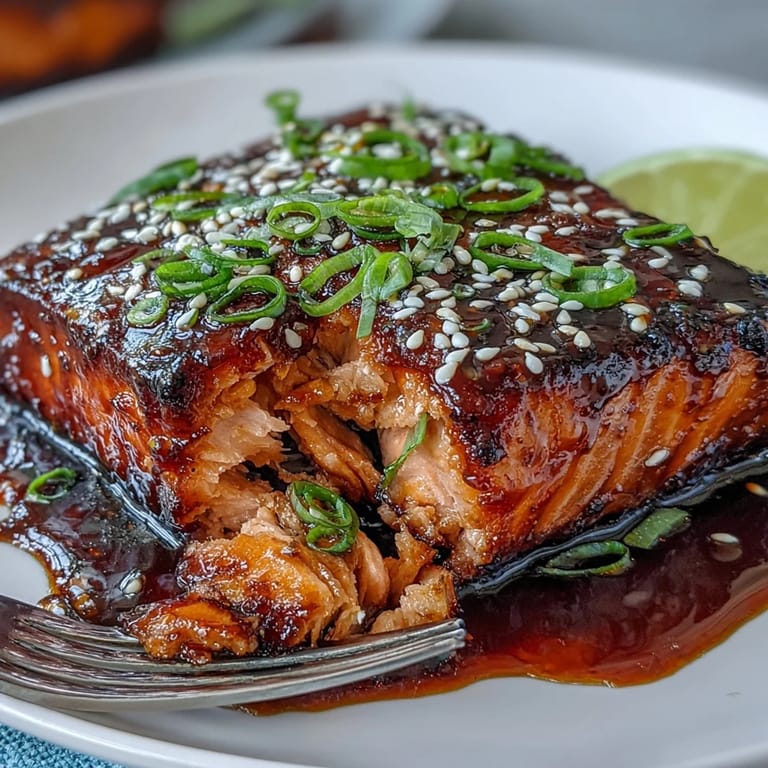
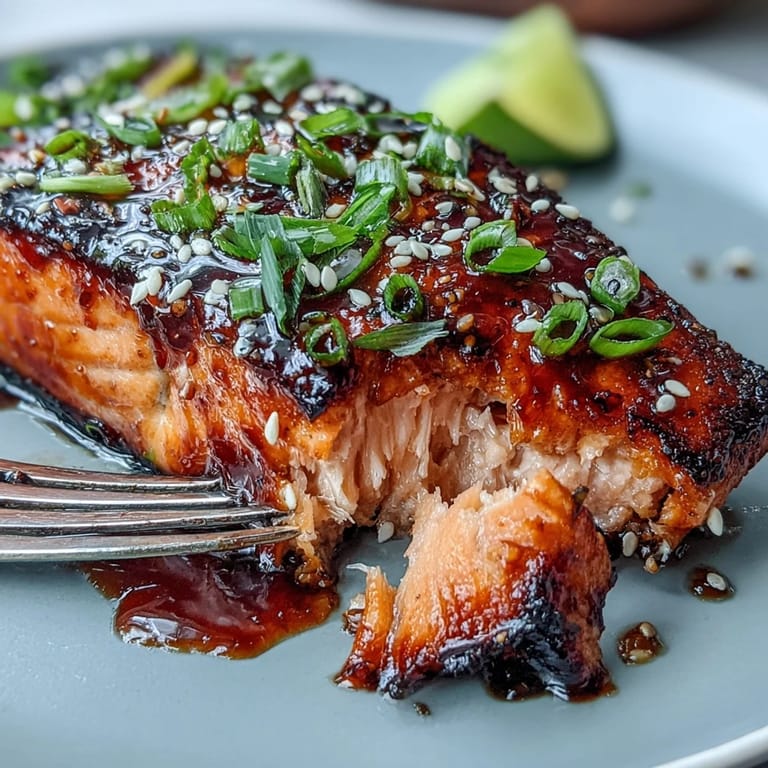
- Arrange the fillets on the sheet, save a bit of marinade to brush on top, and roast 8–10 minutes until caramelized and just opaque in the center.
- Sauté the bok choy:
- Add sesame oil to a hot skillet, toss in garlic until fragrant, and add bok choy with a quick stir so it stays crisp and glistening.
- Finish and plate:
- Tumble the bok choy onto the plate, nestle a piece of salmon alongside, and don’t forget the fresh spring onions, sesame seeds, and a friendly lime wedge.
 Save
Save  Save
Save The first time someone called me just to ask for this recipe, it felt like a tiny personal victory—more than just a meal, it became a reason to connect and share small successes in the kitchen.
Let’s Talk About Marinating Time
Short on patience? Ten minutes is enough thanks to miso’s punchy flavor, but on lazy days letting that salmon soak while you catch up on a book makes for unforgettable results—the difference is subtly dramatic.
Serving Suggestions That Shine
I often set out bowls of jasmine or brown rice and let everyone build their own plates: sometimes a spoonful of rice soaks up the glaze better than anything else, and crunchy raw cucumber or radish on the side never hurts.
A Few Words on Leftovers (If You Have Any)
Chilled, the salmon makes a fabulous rice bowl lunch the next day, especially with extra spring onions and a drizzle of leftover marinade.
- Store bok choy and salmon separately to keep textures on point.
- Zap leftovers in bursts to avoid drying them out.
- A squeeze of fresh lime disguises any hints of fridge from overnight storage.
 Save
Save 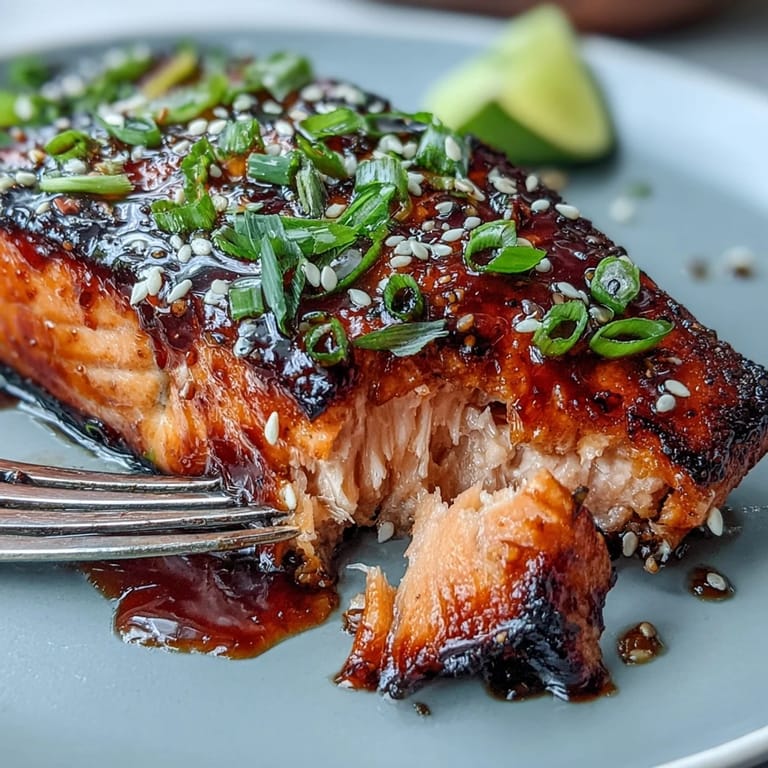 Save
Save This recipe’s become my dependable answer for an easy yet impressive meal—when the kitchen smells this good, no one cares how simple it really is.
Recipe FAQ
- → How long should I marinate the salmon?
For noticeable flavor, marinate 10–30 minutes. Short marination (10 minutes) adds surface umami; up to 1 hour deepens the glaze but avoid much longer to prevent texture change from the miso.
- → Can I broil instead of roasting?
Yes—broiling gives quick caramelization on top. Place the salmon under a preheated broiler 8–10 minutes, basting once for a glossy finish. Watch closely to avoid burning the honey in the glaze.
- → How do I keep bok choy crisp-tender?
High heat and a short cook time preserve crispness. Sear garlic briefly, add halved baby bok choy cut-side down and stir 2–3 minutes until bright and slightly wilted, then finish with soy and sesame seeds off the heat.
- → What swaps work for gluten-free diets?
Replace soy sauce with tamari or a certified gluten-free soy alternative. Check miso paste labels for barley or wheat; choose a rice- or barley-free miso to avoid gluten.
- → Can I use maple syrup instead of honey?
Yes—maple syrup provides a similar viscosity and sweetness and works well for a vegan-friendly glaze if using a plant-based fish alternative. Adjust to taste if you prefer a less sweet glaze.
- → Should I cook salmon skin-on or skin-off?
Skin-on helps hold the fillet together during broiling and crisps nicely if exposed to high heat; skin-off shortens cook time slightly and suits those who prefer no skin. Either works with this glaze.