 Save
Save I discovered chermoula on a humid afternoon at a Marrakech market, watching an older woman grind spices into fresh herbs with the kind of focused intensity that only comes from making something a thousand times before. The scent hit me first—bright lemon cutting through warm cumin and paprika—and I knew right then this wasn't just a marinade, it was a flavor snapshot of North Africa. Years later, I still chase that exact combination whenever I want fish to taste like something beyond itself.
I made this for my sister's dinner party when she was stressed about impressing her new partner, and honestly, the marinade saved the evening. She'd bought beautiful sea bass but felt nervous about cooking it, so I whispered that this paste would do half the work. Watching their faces light up when they tasted it felt like I'd given her a secret weapon.
Ingredients
- Fresh cilantro: Use the leaves and tender stems packed into your measuring cup—don't be shy with it, the bold herbal punch is what makes this sing.
- Fresh flat-leaf parsley: The gentler sibling that keeps cilantro from overpowering and adds an earthy note you won't quite identify.
- Garlic cloves: Mince them fine so they distribute evenly and don't create harsh little pockets; this is where a microplane works beautifully if you have one.
- Shallot: Optional but worth including if you want a whisper of sweetness underneath the brightness.
- Lemon zest and juice: Zest before you juice, and use a microplane for delicate ribbons that don't turn bitter—this citrus is your backbone.
- Ground cumin: Buy it whole and toast it briefly if you're feeling ambitious, but good quality ground cumin works just as well.
- Sweet paprika: This is different from hot paprika; it adds warmth and color without the heat, so don't skip the distinction.
- Ground coriander: Floral and subtle, it bridges the gap between the herbaceous and spiced elements.
- Cayenne pepper: Start with less if heat isn't your thing—you can always add more, but you can't take it back.
- Ground black pepper: Freshly ground if possible, since the volatiles matter more here than in most recipes.
- Extra-virgin olive oil: This is your emulsifier and your delivery system; use something you'd actually taste on bread.
- Sea salt: Fine texture helps it incorporate smoothly, and you'll adjust it anyway once you taste.
Tired of Takeout? 🥡
Get 10 meals you can make faster than delivery arrives. Seriously.
One email. No spam. Unsubscribe anytime.
Instructions
- Gather your herbs and aromatics:
- Chop the cilantro and parsley fine, mince the garlic until there are no visible chunks, and do the same with your shallot if you're using it. The finer you go, the more evenly everything mingles.
- Combine the wet and dry:
- Toss the herbs and aromatics together in a medium bowl, then add your lemon zest and juice. Sprinkle all the spices over top—cumin, paprika, coriander, cayenne, and black pepper—stirring to coat everything.
- Add the oil and salt:
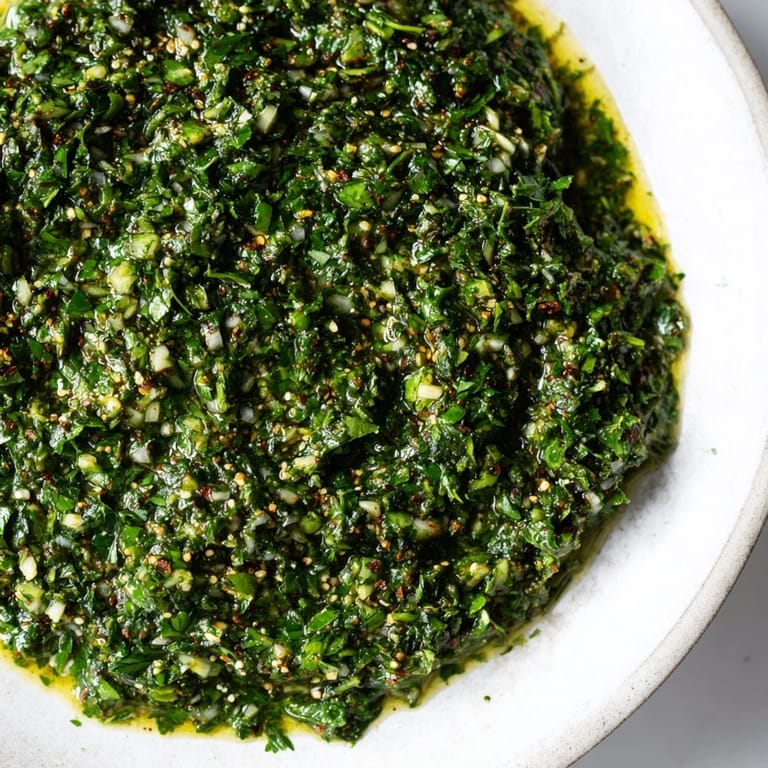
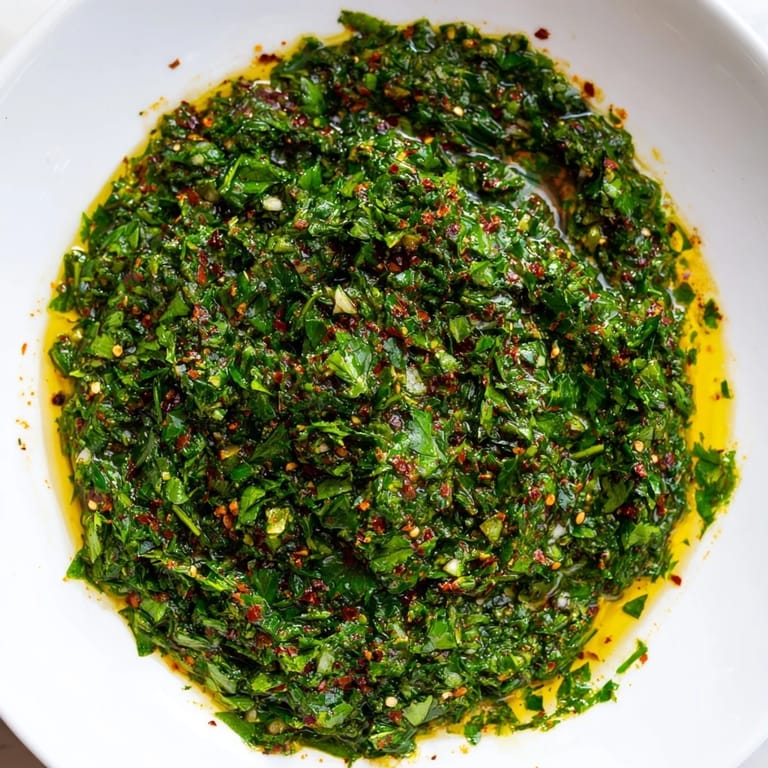
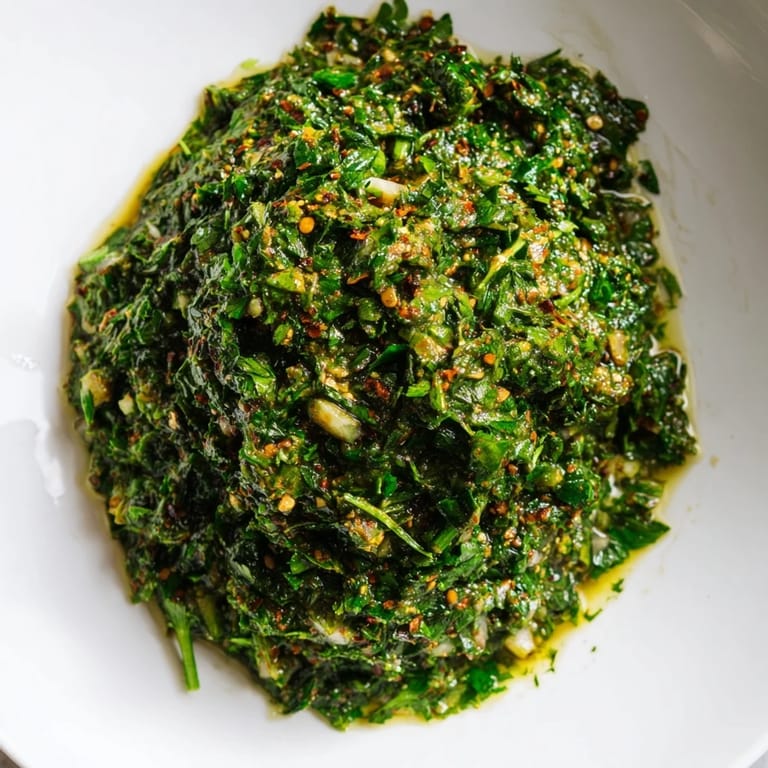
- Pour in your olive oil slowly while mixing with a spoon or small whisk, watching the mixture transform into a thick, fragrant paste. Season with salt and taste as you go, adjusting lemon or heat to your preference.
- Use it right away:
- Coat your fish generously on all sides, nestle it in a container or on a sheet pan, cover with plastic, and refrigerate for thirty minutes to two hours before cooking. The longer it sits, the deeper the flavor penetrates.
 Save
Save I learned that a proper chermoula turns ordinary white fish into something that tastes like travel and memory—like you've somehow bottled the smell of a Moroccan market and rubbed it into dinner. That's worth getting right.
The Spice Breakdown
Cumin brings warmth and earthiness, paprika adds gentle smoke and sweetness, coriander whispers florals, and cayenne gives you the bite. None of them should overpower the other; they should feel like they belong in the same conversation. If one spice tastes too loud, you've either used too much or you're using old spices—check your cabinet, because stale spices turn bitter fast.
Fish That Works Best
Delicate white fish like cod, snapper, and sea bass are the traditional choice because their mild flavor lets the marinade shine without competing. But don't stop there—I've used this successfully on halibut, mahi-mahi, even thick shrimp skewers. Fatty fish like salmon can handle it too, though the richness means you might want a slightly longer marinating time so the bright citrus cuts through properly.
How to Actually Cook the Fish
Once your fish has marinated, you can grill it, bake it, pan-sear it—the chermoula won't burn or turn bitter, which is one of its magic tricks. I usually bake at four hundred and twenty-five degrees for ten to fifteen minutes depending on thickness, or sear skin-side down in a hot pan until it's golden and the flesh flakes easily. The leftover marinade becomes a sauce if you want to drizzle it over the finished dish, adding another layer of fresh herbaceous punch.
- Grill your fish for three to four minutes per side to get those charred flavor edges that play beautifully against the spice.
- If pan-searing, get your oil shimmering hot and don't move the fish around once it hits the pan—let it develop a golden crust.
- Baking is the most forgiving method, especially if you're feeding a crowd and need timing to be predictable.
 Save
Save Chermoula is one of those recipes that tastes like you spent hours in the kitchen when really you just spent ten minutes with your hands and a sharp knife. That's the whole point.
Recipe FAQ
- → What is the main flavor base of Moroccan chermoula?
Fresh cilantro and parsley combined with garlic and lemon provide a bright and herbal foundation.
- → How long should I marinate fish in this blend?
For best results, refrigerate fish in the marinade for 30 minutes to 2 hours to allow full flavor absorption.
- → Can this marinade be used for other proteins?
Yes, it pairs well with chicken and vegetables, adapting the vibrant herb and spice profile to various dishes.
- → How can the heat level be adjusted?
Reduce or omit the cayenne pepper if a milder profile is desired while maintaining the marinade’s aromatic balance.
- → What dishes complement chermoula-marinated foods?
Traditional Moroccan sides like couscous and a crisp white wine such as Sauvignon Blanc enhance the overall meal experience.