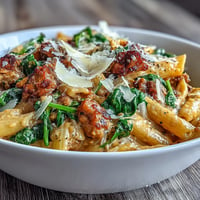
 Save
Save There's something about the smell of sausage hitting a hot pan that makes you forget you're cooking a weeknight dinner. One evening, I was standing at my stove with half an hour before guests arrived, and I remembered a trick I'd learned years ago: why dirty multiple pans when everything could happen in one? I grabbed my largest pot, cracked open a bottle of red wine, and started improvising with what I had. That night taught me that the best dishes often come from happy accidents and a little bit of kitchen confidence.
I made this for my partner on a rainy Sunday when we both needed something warming and substantial. He took one bite and immediately asked for seconds, then thirds, which rarely happens. It became our go-to whenever we wanted to impress without spending hours in the kitchen, and now it's the dish I make when people say they're too tired to cook anything special.
Ingredients
- Italian sausage, 400 g (14 oz): Remove the casings so it breaks apart and distributes evenly throughout the pasta, creating pockets of rich, savory flavor in every bite.
- Onion and garlic: These two are your flavor foundation, and mincing them finely means they'll almost dissolve into the sauce, building a smooth base.
- Red bell pepper, 1 diced: It softens beautifully and adds a subtle sweetness that balances the wine and soy sauce perfectly.
- Canned chopped tomatoes, 400 g (14 oz): Don't reach for fresh here; canned tomatoes have been concentrated and are actually better for a one-pot dish.
- Short pasta, 300 g (10 oz): Penne or rigatoni work best because their ridges catch and hold the creamy sauce instead of letting it slide off.
- Dry red wine, 120 ml (1/2 cup): This simmers down and becomes part of the sauce, so use something you'd actually drink, not cooking wine.
- Chicken or vegetable broth, 700 ml (3 cups): Low-sodium broth gives you control over the final salt level, which matters more than you'd think.
- Heavy cream, 120 ml (1/2 cup): Added at the very end, it transforms the dish from saucy to luxuriously creamy without needing to reduce forever.
- Parmesan cheese, 40 g (1/2 cup) grated: Freshly grated tastes so much better than pre-shredded that it's actually worth the extra 30 seconds.
- Soy sauce, 2 tbsp: This is the secret that makes people lean back and ask what you did differently; it adds depth without tasting like soy.
- Dried oregano, 1 tsp: A staple Italian herb that ties everything together and prevents the dish from tasting flat.
- Chili flakes and black pepper: Optional heat and a finishing punch of spice that brightens the whole dish.
- Fresh basil or parsley: Chopped just before serving, this green garnish cuts through the richness and makes it look intentional and restaurant-quality.
Tired of Takeout? 🥡
Get 10 meals you can make faster than delivery arrives. Seriously.
One email. No spam. Unsubscribe anytime.
Instructions
- Brown the sausage:
- Heat your pot over medium heat and add the sausage, breaking it into small crumbles with your spoon as it cooks. You're looking for golden-brown bits after about 5 to 6 minutes, which is when you know the fat has rendered and the flavor has developed.
- Build your aromatics:
- Add the onion, garlic, and bell pepper to the browned sausage and let them soften for 3 to 4 minutes, stirring occasionally. The kitchen will smell incredible at this point, and that's your cue that the vegetables are releasing their flavors.
- Deglaze with wine:
- Pour the red wine into the pot and use your spoon to scrape up all those brown, flavorful bits stuck to the bottom (this is called deglazing, and it's essential). Let it bubble away for about 2 minutes so the harsh alcohol flavor mellows out.
- Add your liquids and seasonings:
- Stir in the tomatoes, broth, soy sauce, oregano, chili flakes if you want heat, and black pepper. Everything should look aromatic and rich at this point, and you'll notice how the soy sauce deepens the color without making it taste salty.
- Cook the pasta right in the pot:
- Add the uncooked pasta and stir so it's mostly covered by liquid, then bring to a gentle boil and reduce the heat to medium-low. Cover the pot and cook for 12 to 15 minutes, stirring occasionally so nothing sticks, until the pasta is al dente and has absorbed most of the liquid.
- Finish with cream and cheese:
- Uncover the pot and stir in the heavy cream and Parmesan, then cook uncovered for 2 to 3 minutes until everything is silky and the sauce clings to the pasta. Taste as you go and add a pinch more salt if needed.
- Plate and garnish:
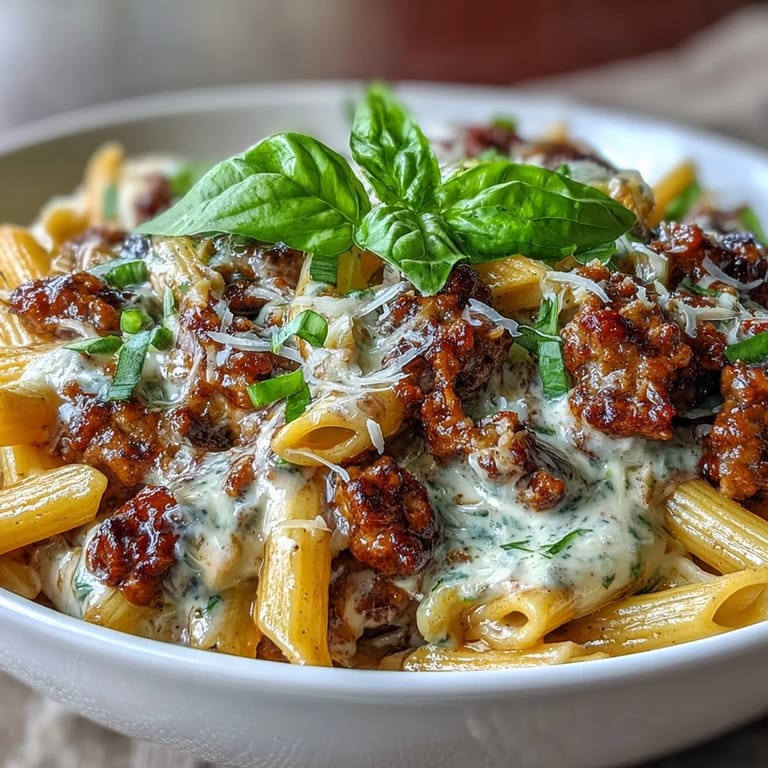
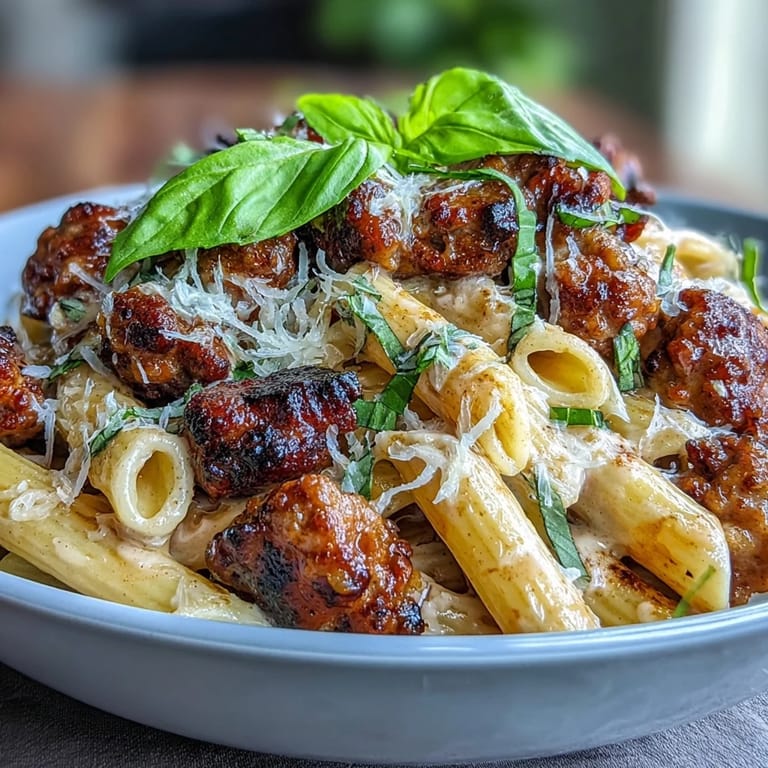
- Serve immediately while it's hot, topped with a generous handful of fresh basil or parsley. The green herb is crucial because it brightens the rich, wine-dark sauce and makes the whole dish feel fresh instead of heavy.
 Save
Save What struck me most was how this dish brought everyone to the table without any fuss or pretense. It's the kind of food that makes people slow down and actually talk instead of scrolling, and that matters more than any fancy plating ever could.
Why This Works as a One-Pot Meal
The genius of cooking pasta directly in the broth is that it absorbs flavor as it cooks instead of just boiling in water and getting rinsed away. The starch from the pasta also helps thicken the sauce naturally, which means you don't need a flour-based roux or any complicated techniques. By the time the pasta is done, you've essentially created a cohesive sauce that hugs every piece, and your stovetop doesn't look like a tornado hit it.
The Secret Role of Soy Sauce
I learned this trick from a cooking friend who insisted I stop questioning it and just trust the process. Soy sauce isn't here to make it taste Asian; it's here to add umami, that savory depth that makes people say the food tastes more like itself. It rounds out the wine, deepens the tomato flavor, and prevents the sauce from tasting one-dimensional or flat. Once you understand that soy sauce is just a flavor amplifier, you'll start using it in unexpected places.
Variations and Flexibility
This dish is forgiving and adaptable to whatever you have on hand or whatever your diet requires. Swap the sausage for turkey if you want something lighter, or use a plant-based version if you're cooking for vegetarians. The core technique stays the same, and the results are always satisfying and rich. If you find the sauce too thick, add a splash of broth at the end, and if it's too thin, let it simmer uncovered for another minute or two.
- Try adding fresh spinach or kale in the last minute of cooking for extra greens that wilt right into the sauce.
- A handful of sun-dried tomatoes stirred in with the cream adds brightness and a slight tang that's really lovely.
- If you have leftover cream, a small drizzle at the table makes it feel even more indulgent without being excessive.
 Save
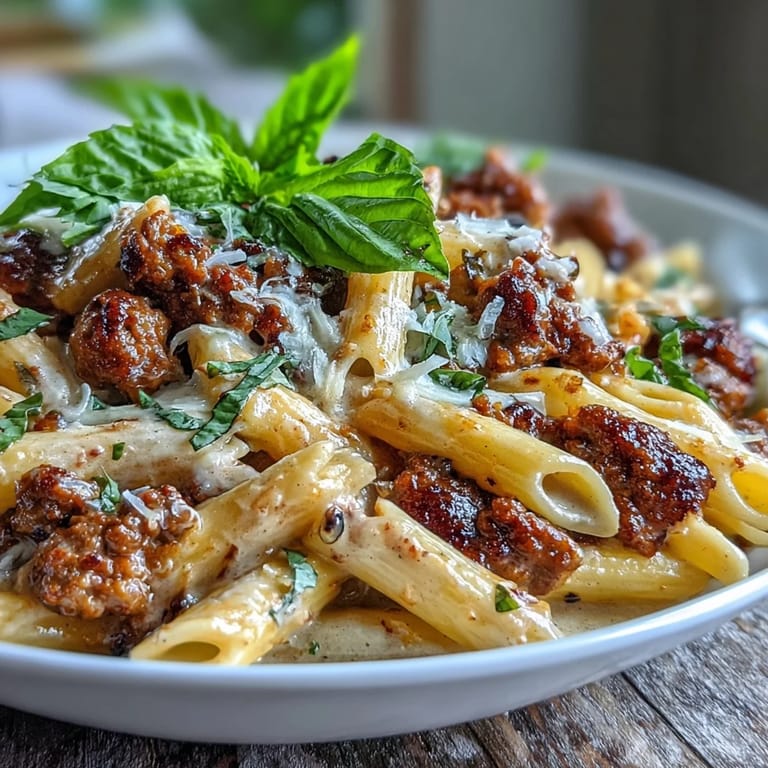
Save This is the kind of meal that reminds you why cooking at home matters, especially on nights when you're tired and tempted to order takeout. It's proof that simple ingredients, a little patience, and one good pot can create something genuinely delicious.
Recipe FAQ
- → What type of sausage works best for this dish?
Italian sausages, either mild or spicy, provide a robust flavor that complements the dish well. You can also substitute with turkey or plant-based sausage for variation.
- → Can I use other types of pasta?
Short pasta shapes like penne, rigatoni, or fusilli work best as they hold onto the creamy sauce and cook evenly in the one-pot method.
- → How does the red wine affect the flavor?
The dry red wine adds depth and a slight tanginess to the sauce, balancing the richness of the cream and sausage.
- → Is it possible to prepare this dish without cream?
While cream adds a smooth texture, you can reduce or omit it for a lighter sauce, though the dish will be less rich.
- → Can I prepare this meal ahead of time?
It’s best enjoyed fresh, but leftovers can be stored in the fridge for up to two days and gently reheated with a splash of broth or cream to loosen the sauce.