 Save
Save When spring finally shows its face, my kitchen comes alive with all the bright produce I can get my hands on. There was one rainy afternoon when I started assembling ingredients for this Spring Buddha Bowl, coaxed indoors by the drum of raindrops and a fridge brimming with radishes and fresh greens. Each vegetable promised a pop of color, and the aroma as they began to roast reminded me why I love cooking with the seasons. Whipping up bowls like these is a bit like painting, but with flavors. There's always room for a surprise or a little twist, depending on the mood of the day.
One time, I made this bowl for a friend after a long hike when we stumbled back into the house exhausted but starving. We sat on the porch, balancing our bowls on our knees and poking at each new flavor, trading notes about which topping made the best bite. Somehow, eating healthy felt both playful and celebratory that evening. The leftover falafel became a late-night snack, which everyone agreed tasted even better cold. Since then, I've made it any time I want a meal to feel uplifting and fresh.
Ingredients
- Asparagus: When roasted, asparagus develops a nutty sweetness—trim the woody ends for the best texture.
- Radishes: Roasting mellows their peppery bite, making them juicy and surprising.
- Baby carrots: Halved lengthwise, they caramelize at the edges for a hint of sweetness.
- Sugar snap peas: These add a crisp snap and burst of green flavor; just trim the ends.
- Olive oil: I always use good olive oil for both roasting and the falafel—it brings everything together.
- Sea salt & black pepper: Season generously but taste as you go; different veggies need different amounts.
- Chickpeas: The star of your falafel—if they’re too wet, pat them dry for better texture.
- Onion and garlic: Essential for punchy, aromatic falafel—chop before blending for an even mix.
- Fresh parsley & cilantro: These herbs bring the falafel to life; don’t skip them.
- Cumin & coriander: These spices create that unmistakable falafel warmth and aroma.
- Baking powder: A pinch makes the patties airy instead of dense.
- Flour: Use chickpea flour for gluten-free; either way, it helps everything hold.
- Quinoa or brown rice: I rotate between the two for the base—quinoa is lighter, brown rice gives chew.
- Mixed baby greens: The more variety, the better; this is where you sneak in those spring leaves.
- Cherry tomatoes: They're sweet, juicy, and mellow the richness of the falafel.
- Avocado: For a creamy slice in every forkful, make sure it’s just ripe.
- Pumpkin seeds: Toast them for crunch and that subtle nuttiness.
- Tahini: For the dressing, always stir it up before measuring to catch its full creaminess.
- Lemon juice: Fresh is best and gives your dressing zing you won’t get from a bottle.
- Maple syrup: Just a little mellows out the lemon and tahini.
- Water: Add as much as needed for a creamy drizzle—not too thick, not too runny.
- Minced garlic: It wakes up the dressing beautifully, but go easy if you want a subtler kick.
Tired of Takeout? 🥡
Get 10 meals you can make faster than delivery arrives. Seriously.
One email. No spam. Unsubscribe anytime.
Instructions
- Roast the vegetables:
- Set your oven to 425°F and line a baking sheet—hearing those veggies sizzle the moment they hit the pan is half the fun. Toss asparagus, radishes, carrots, and snap peas with olive oil, salt, and pepper, then spread out and roast for 18–20 minutes, flipping them midway until fragrant and just caramelized.
- Mix and form the falafel:
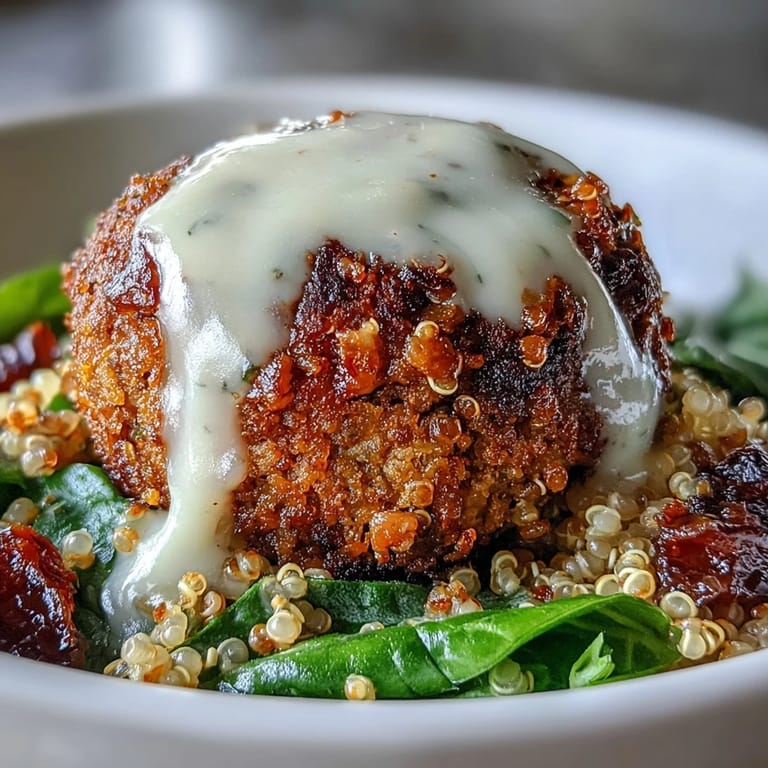
- While veggies roast, bring out your food processor—pulse the chickpeas, onion, garlic, parsley, cilantro, cumin, coriander, salt, pepper, and baking powder until combined but not mushy. Add flour and pulse a bit more, then shape into 12 little patties that feel firm but not sticky.
- Pan-fry falafel:
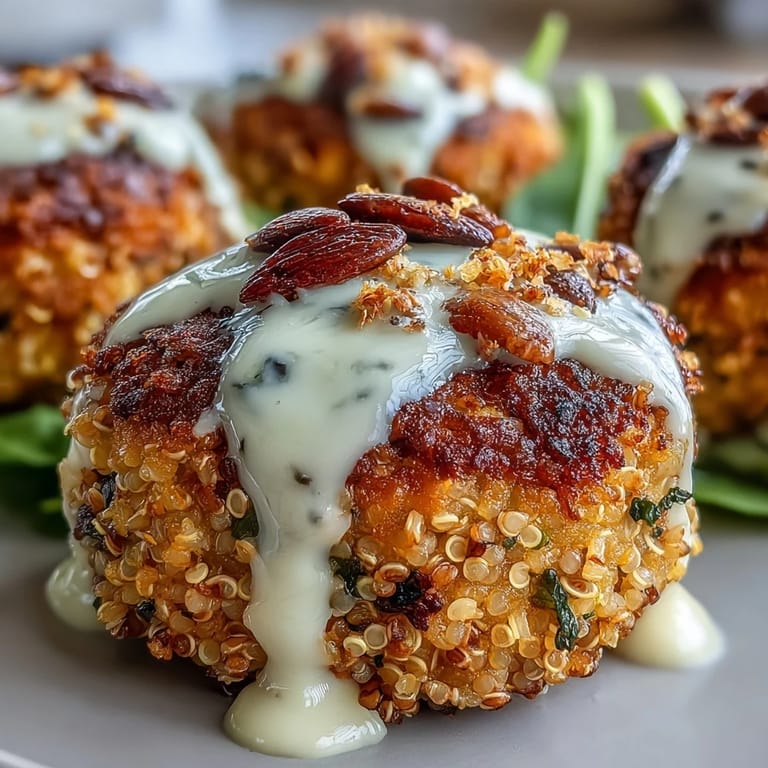
- Heat olive oil in a skillet over medium—when the patty sizzles at the edge, you’re ready. Fry each side for 3–4 minutes until deep golden and crisp, draining on paper towels for a moment of crunch you’ll want to sneak before serving.
- Whisk the dressing:
- Whisk together tahini, lemon juice, maple syrup, water, salt, and garlic until creamy and smooth; adjust with a splash of water as needed, aiming for a pourable consistency that clings to a spoon.
- Assemble your bowl:
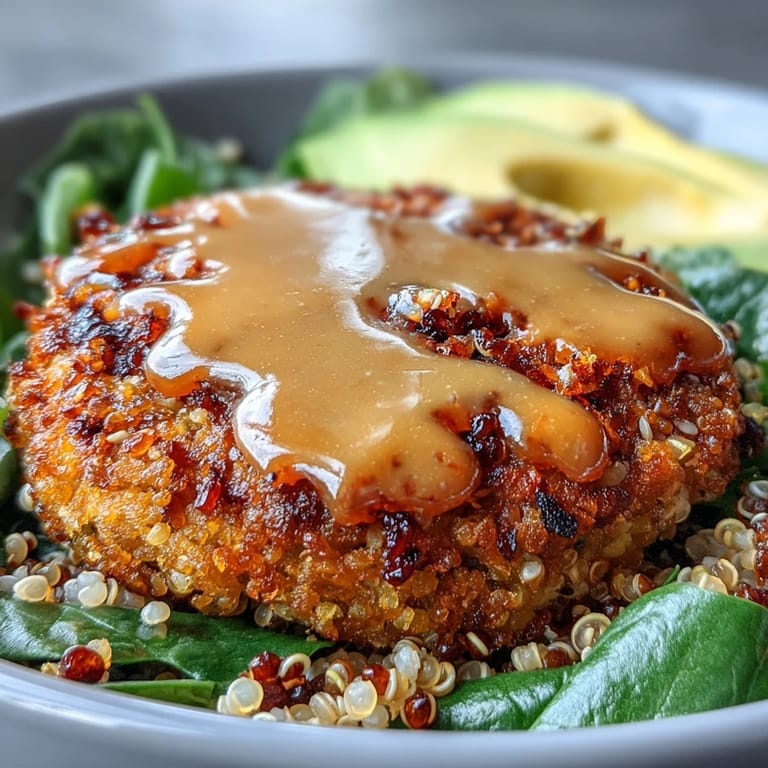
- Scoop quinoa or rice into four bowls, then artfully layer with greens, roasted veg, falafel, tomatoes, avocado, and pumpkin seeds. Finish with a generous drizzle of dressing—and a little extra for scooping up the last bits.
- Serve and enjoy:
- Gather around. The scent alone will draw everyone in for seconds.
 Save
Save The first time someone asked for seconds, I realized these bowls are more than the sum of their parts. Watching friends build their own custom creations, laughing about who added the most dressing or extra avocado, made the meal feel like a shared celebration rather than just dinner.
Building a Better Bowl: Make It Your Own
One of the things I love is how adaptable this recipe is—sometimes I swap in roasted sweet potato or switch up the base with farro if I have some cooked ahead. Even the herbs for the falafel can change with what’s on hand. In the spring, everything tastes extra fresh, and it gives you permission to play around with whatever your market has in abundance.
What If You Don’t Have a Food Processor?
I’ve made the falafel by hand when the food processor was already claimed by a dessert project—just chop your ingredients really fine and mash the chickpeas with a fork or potato masher. It’s a bit more rustic but no less delicious, and the textures end up even heartier. Don’t let a missing gadget stand between you and a homemade dinner.
Easy Prep Ahead and Leftovers
If you're prepping ahead, the falafel and dressing can both be made the night before and stashed in the fridge. Roasted veggies reheat beautifully, and building the bowls the next day takes just a few minutes. When I’m planning for lunches, I keep everything in separate containers so the greens stay perky. They even taste great cold.
- Toss everything just before serving to keep the textures distinct.
- A squeeze of fresh lemon over leftovers lifts the flavors.
- Reheat falafel in a toaster oven to get the crunch back.
 Save
Save This Spring Buddha Bowl always brings a dose of sunshine, even on a gray day. Every bite feels like a celebration of color, texture, and the season’s best flavors.
Recipe FAQ
- → How do I keep the falafel from falling apart?
Pulse the chickpeas until coarse, not puréed, and use the flour and a small amount of baking powder to bind. Chill the mixture briefly before shaping and fry in a hot skillet until golden to set the exterior.
- → Best way to roast spring vegetables evenly?
Cut vegetables into similar-sized pieces, spread in a single layer without overcrowding, and roast at 425°F (220°C), turning once, until tender and lightly browned for caramelized edges.
- → How can I adjust the dressing consistency?
Whisk tahini with lemon juice and add water tablespoon by tablespoon until you reach a pourable but creamy texture. A touch of maple syrup balances acidity if needed.
- → What are good grain alternatives to quinoa?
Cooked brown rice, farro, bulgur or barley all work well. Choose short-cook grains for quicker prep or use pre-cooked grains for meal-prep convenience.
- → How long will leftovers keep?
Store falafel and roasted vegetables separately in airtight containers in the fridge for up to 3 days. Reheat falafel in a skillet to restore crispness; add fresh greens and avocado just before serving.
- → How can I make this gluten-free?
Swap the all-purpose flour for chickpea flour or a certified gluten-free binder and ensure any packaged ingredients are labeled gluten-free for safe substitution.