 Save
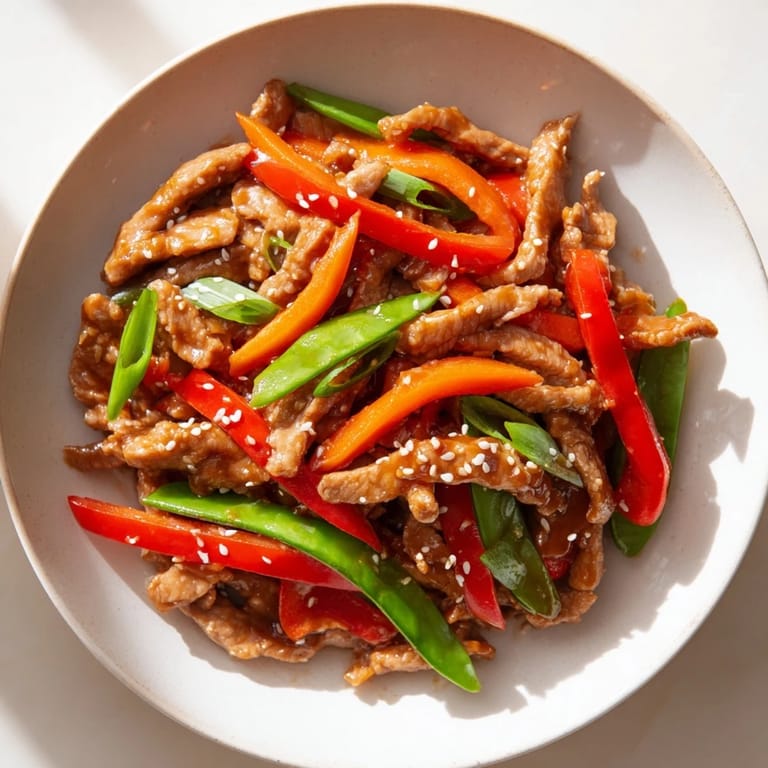
Save The sizzle of pork hitting a screaming-hot wok still makes me smile. I learned to make this stir-fry during a particularly hectic winter when I needed something fast, colorful, and satisfying after long days. The glossy teriyaki glaze clinging to tender meat and crisp vegetables became my answer to takeout cravings. It took a few tries to get the sauce just right, but once I nailed that balance of sweet and savory, I was hooked. Now it's my go-to when I want something that feels indulgent but comes together in less time than delivery would take.
I remember making this for friends who claimed they didn't like pork. They watched skeptically as I tossed everything together, but the smell of garlic, ginger, and caramelizing sauce won them over before I even plated it. One of them went back for seconds, then asked for the recipe on the spot. That night taught me that a good stir-fry isn't just about speed, it's about building flavor in layers and letting each ingredient shine without overpowering the others.
Ingredients
- Pork tenderloin: Slicing it thin ensures it cooks quickly and stays tender, and freezing it for 20 minutes beforehand makes cutting much easier.
- Red bell pepper: Adds sweetness and a pop of color, and it holds up beautifully under high heat without turning mushy.
- Snap peas: These stay crisp and bring a fresh, slightly sweet crunch that balances the richness of the sauce.
- Carrot: Julienned carrots cook fast and add a subtle earthiness that grounds the dish.
- Green onions: Use them twice, once in the stir-fry for a mild bite and again as garnish for brightness.
- Garlic and ginger: The aromatics that make everything smell like a proper stir-fry, just 30 seconds in the pan transforms them.
- Low-sodium soy sauce: Gives you control over saltiness, especially since the sauce reduces and concentrates.
- Mirin: This sweet rice wine adds depth and a subtle tang that regular sugar can't replicate.
- Brown sugar or honey: Sweetness that caramelizes slightly in the pan, creating that classic teriyaki gloss.
- Rice vinegar: A touch of acidity cuts through the sweetness and keeps the sauce balanced.
- Cornstarch: The secret to that thick, clingy sauce that coats every piece instead of pooling at the bottom.
- Sesame oil: A little goes a long way, adding a nutty finish that ties everything together.
- Vegetable oil: High smoke point makes it ideal for the intense heat you need for a proper stir-fry.
- Sesame seeds: Toasted seeds add a final layer of nuttiness and a bit of visual flair.
Tired of Takeout? 🥡
Get 10 meals you can make faster than delivery arrives. Seriously.
One email. No spam. Unsubscribe anytime.
Instructions
- Mix the teriyaki sauce:
- Whisk together soy sauce, mirin, brown sugar, rice vinegar, cornstarch, water, and sesame oil in a small bowl until the cornstarch dissolves completely. This step ensures the sauce thickens evenly without clumps.
- Sear the pork:
- Heat 1 tablespoon of vegetable oil in a large wok or skillet over medium-high heat until it shimmers, then add the pork slices in a single layer. Let them sear for 3 to 4 minutes, stirring occasionally, until browned and just cooked through, then transfer to a plate.
- Stir-fry the vegetables:
- Add the remaining oil to the pan, then toss in bell pepper, snap peas, and carrot. Stir-fry for 2 to 3 minutes, keeping them moving so they soften slightly but retain their crunch.
- Add aromatics:
- Toss in garlic, ginger, and half the green onions, stirring constantly for about 30 seconds until the kitchen smells incredible. Don't let the garlic burn or it will turn bitter.
- Glaze everything:
- Return the pork to the pan, give the teriyaki sauce a quick stir, then pour it over the mixture. Toss everything together and cook for 1 to 2 minutes, stirring constantly, until the sauce thickens and clings to every piece in a glossy coat.
- Finish and serve:
- Remove from heat, sprinkle with sesame seeds and extra green onions if you like, and serve immediately over steamed rice or noodles. The sauce will continue to thicken as it sits, so don't wait too long.
 Save
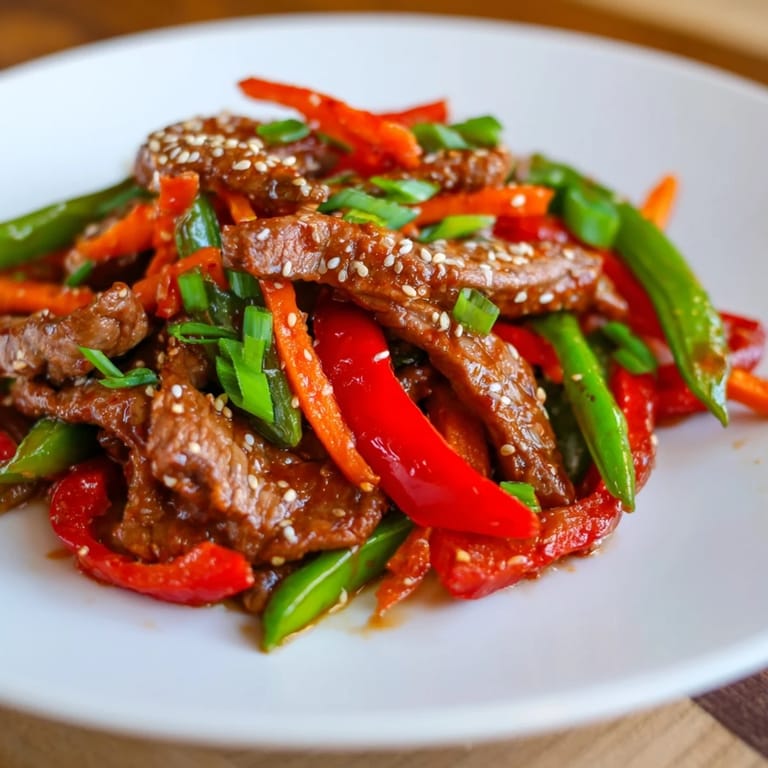
Save There was a rainy Tuesday when I made this for myself, no guests, no occasion, just me and a craving. I ate it straight from the wok, standing at the counter, and realized that sometimes the best meals are the ones you don't have to share. The way the sauce pooled around the rice, the way each bite had a little bit of everything, it reminded me why I love cooking in the first place.
Swaps and Substitutions
Chicken thighs or breast work beautifully here, just slice them thin and adjust the cooking time slightly. Tofu is a great plant-based option, press it well and cut it into cubes so it holds its shape. If you can't find mirin, a mix of dry white wine and a pinch of sugar will get you close. Tamari swaps in seamlessly for soy sauce if you need it gluten-free, and honey can replace brown sugar if that's what you have on hand.
Serving Suggestions
This stir-fry shines over a bowl of steamed jasmine or basmati rice, which soaks up the extra sauce like a dream. Noodles, whether ramen, udon, or rice noodles, turn it into a more substantial meal. I've also served it alongside a simple cucumber salad dressed with rice vinegar and sesame oil, which adds a refreshing contrast. Leftovers reheat surprisingly well, though the vegetables soften a bit, so I sometimes toss in fresh snap peas when I warm it up.
Storage and Reheating
Store leftovers in an airtight container in the fridge for up to 3 days, and the sauce will thicken further as it cools. Reheat gently in a skillet over medium heat, adding a splash of water or broth to loosen the sauce and bring back that glossy finish. I don't recommend freezing this because the vegetables lose their texture, but the pork and sauce freeze well on their own if you want to prep ahead.
- If reheating in the microwave, do it in short bursts and stir between each to avoid overcooking the pork.
- Fresh green onions and sesame seeds added just before serving will revive any leftover batch.
- Consider making a double batch of the sauce and keeping it in the fridge for quick weeknight stir-fries with whatever protein and vegetables you have.
 Save
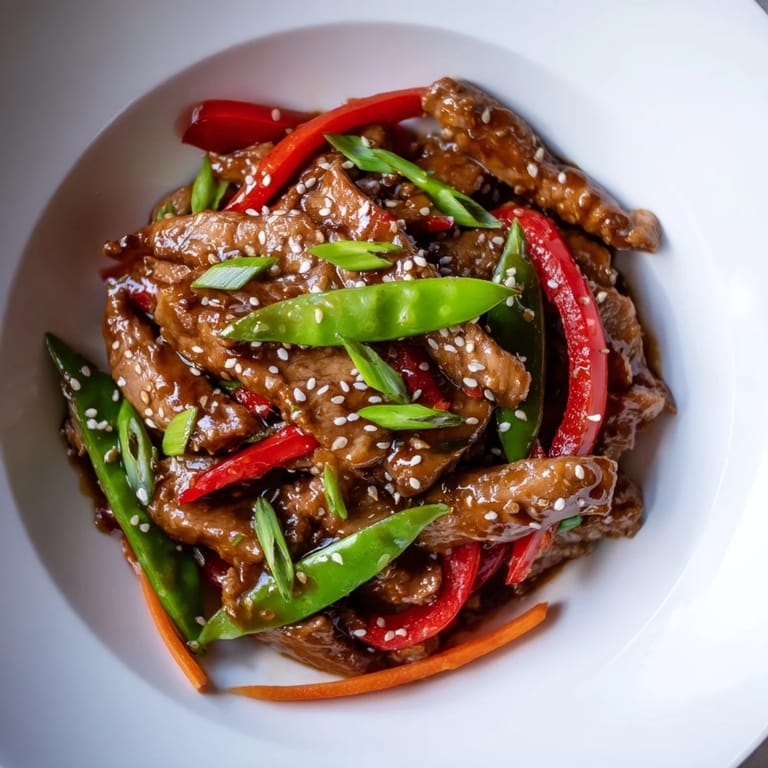
Save This stir-fry has earned its place in my regular rotation, not just because it's quick, but because it delivers real flavor without fuss. I hope it becomes one of those recipes you turn to when you need something reliable, delicious, and just a little bit special.
Recipe FAQ
- → What cut of pork is best for this stir-fry?
Pork tenderloin is ideal because it’s tender and cooks quickly, slicing it thinly helps it stay juicy during fast stir-frying.
- → Can I substitute other vegetables?
Absolutely, broccoli, mushrooms, or bok choy work well and add different textures and flavors.
- → How do I make the teriyaki sauce glossy and thick?
The cornstarch mixed with water creates a slurry that thickens the sauce when cooked, giving it that shiny glaze.
- → Is there a gluten-free option?
To make it gluten-free, use tamari instead of soy sauce and check that all other ingredients are gluten-free.
- → What oil is best for stir-frying?
Vegetable oil works well because of its high smoke point and neutral flavor, helping to quickly sear ingredients.
- → How can I add extra flavor without overpowering?
Freshly grated ginger and minced garlic add aromatic layers that complement but don’t overshadow the dish’s balance.