 Save
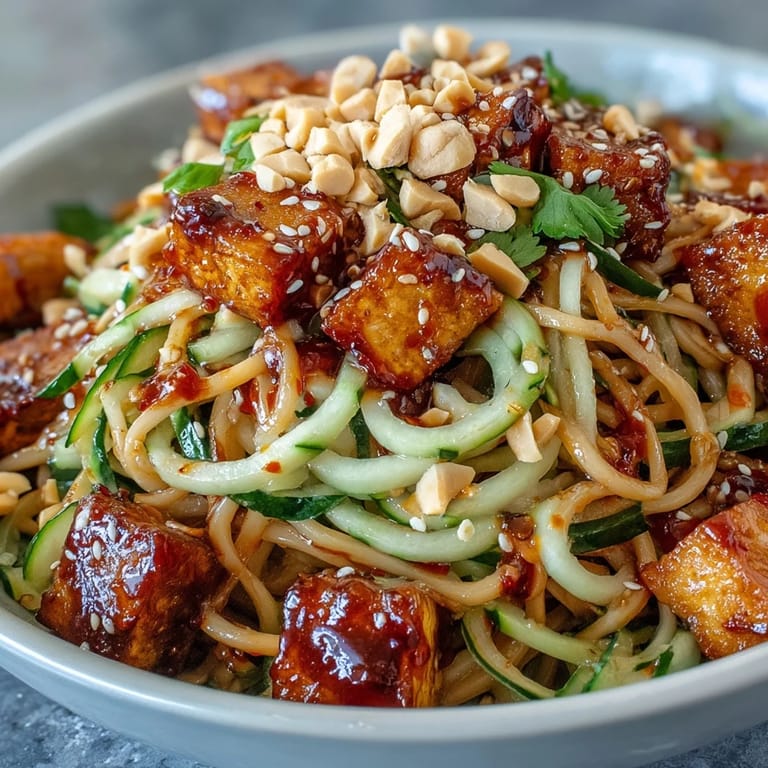
Save I discovered these bowls scrolling through videos at midnight, watching someone drizzle that amber chili crisp over cold noodles and thinking, why haven't I made this yet? The combination felt so simple on screen—creamy, cold, spicy, fresh—but the first time I actually assembled one, I understood the magic was in the tension between textures and that moment when the heat hits the cool cucumber. Now I make them on nights when the kitchen feels too warm to turn on the stove, and they've become my go-to answer when someone asks what's for dinner.
Last summer, I made these for my neighbor who'd just moved in, and we sat on her back porch with the bowls balanced on our laps, talking about nothing important while the chili crisp warmed our mouths and the cold noodles soothed it right back down. She asked for the recipe before we'd even finished eating, and now I'm pretty sure she makes them more often than I do.
Ingredients
- Firm tofu or cooked chicken (400 g): The protein anchors the bowl, and whether you choose tofu or chicken depends on your mood—tofu gets that delicate golden crust when pan-fried, while shredded chicken adds a gentle heartiness.
- Dried wheat noodles (300 g): Udon, soba, or rice noodles all work beautifully here, so pick whichever you have or prefer; cold noodles are more forgiving than hot ones, so don't stress about cooking them perfectly.
- Cucumbers (2 large): These are the star, so use the crispest ones you can find and spiralize or julienne them just before serving so they stay fresh and snappy.
- Carrots and bell pepper: Their sweetness plays wonderfully against the spice of the chili crisp, and slicing them thin means they're ready in seconds.
- Spring onions and cilantro: These add brightness and are completely optional, but they're the reason the whole bowl tastes alive instead of just good.
- Greek yogurt (4 tbsp): This is what makes the dressing creamy without any actual cream; dairy-free yogurt works just as well and no one will notice the difference.
- Rice vinegar, soy sauce, sesame oil, honey (dressing): Together they create a balanced, umami-rich base that brings every vegetable to life—this combination is worth memorizing for other salads.
- Chili crisp (4 tbsp): Store-bought is perfectly fine and honestly the easiest path, but homemade means you control how spicy it gets and can make it as often as you want.
- Roasted peanuts or cashews and sesame seeds: The texture and final crunch are essential; toast your own sesame seeds if you have time because they taste measurably better.
Tired of Takeout? 🥡
Get 10 meals you can make faster than delivery arrives. Seriously.
One email. No spam. Unsubscribe anytime.
Instructions
- Cook the noodles:
- Follow your package instructions, then drain and run cold water over them until they stop steaming—this stops the cooking and keeps them firm. Set them aside to drain completely while you prepare everything else.
- Prepare your protein:
- If using tofu, press it gently between paper towels to remove excess moisture, cube it, then pan-fry in a bit of oil over medium heat until all sides turn golden and crispy, about 6-8 minutes total. If using chicken, make sure it's cooked through and shred it with two forks while it's still warm.
- Make the creamy dressing:
- Whisk together the yogurt, rice vinegar, soy sauce, sesame oil, honey, garlic, and ginger in a large bowl until completely smooth—you're aiming for a texture that coats the back of a spoon but still pours easily. Taste it and adjust; if it's too tangy, add a touch more honey.
- Dress the vegetables:
- Add your cucumber, carrots, bell pepper, and spring onions to the creamy dressing bowl and toss everything gently until every piece gets coated. This is where the magic starts happening—the vegetables will release their juices and mingle with the dressing.
- Mix the chili crisp sauce:
- In a small bowl, stir together the chili crisp, soy sauce, sesame oil, and sugar until it's well combined—this prevents the chili crisp from settling at the bottom and makes it easier to drizzle. Taste it as you go because some chili crisps are spicier than others.
- Assemble the bowls:
- Divide the cooked cold noodles among four bowls, then top each with a generous portion of the dressed cucumber salad and your protein of choice. The noodles will act as your base, holding everything together while the vegetables on top stay bright and crisp.
- Finish with style:
- Drizzle that chili crisp sauce generously over the top of each bowl, then scatter on your peanuts, sesame seeds, fresh cilantro if you're using it, and nestle lime wedges on the side. Serve immediately while everything is still cold and the textures are distinct.
 Save
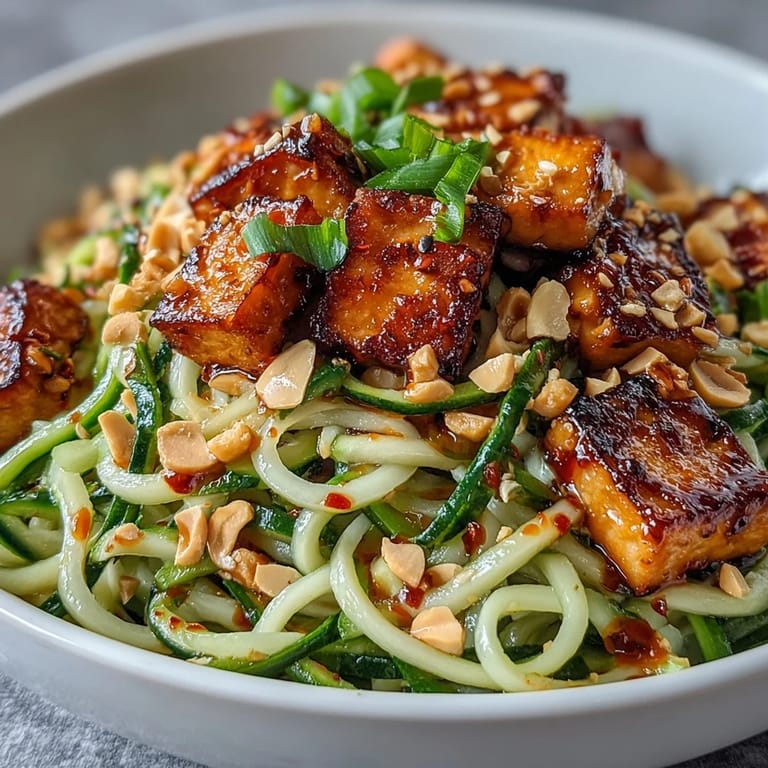
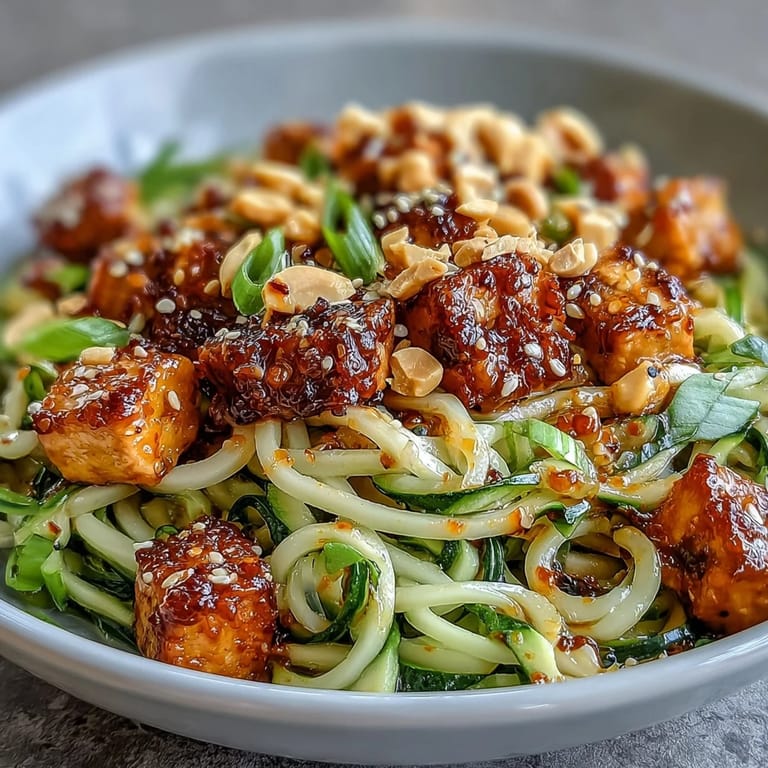
Save There's something almost meditative about making these bowls, watching the colors arrange themselves in the white bowl—green cucumber, orange carrot, red pepper, golden tofu or pale chicken—before you tie it all together with that amber drizzle. My kids, who normally push vegetables around their plates, somehow eat every piece when they're in this bowl, and I've stopped asking why and just started making extra.
The Cold Noodle Secret
Cold noodle bowls taught me that rinsing matters more than most people think—that cold water doesn't just cool the noodles, it stops the starch from making them gluey and helps them stay separate and individual in the bowl. I learned this the hard way after making a batch that clumped together like overcooked ramen, and now I always rinse generously and even toss them with a light drizzle of sesame oil if I'm making them more than a few minutes ahead.
Playing With Proteins
The beauty of this bowl is that it doesn't care which protein you use—I've made it with shredded rotisserie chicken when I'm in a hurry, pan-fried tofu when I want something substantial, even soft scrambled eggs once when I had leftover egg whites and was feeling experimental. Baked chickpeas or tempeh work beautifully too if you want to get creative, and each version tastes different enough that it doesn't feel like you're eating the same bowl twice.
Timing and Temperature
These bowls are meant to be served immediately after assembly because temperature contrast is actually part of the appeal—cold noodles, cool vegetables, warm protein if you've just cooked it, and that warm chili crisp sauce bringing everything together. If you're meal prepping, keep the components separate and assemble them at the last minute, or the noodles will absorb the dressing and everything will turn into a sad, soggy situation.
- Make the creamy dressing and chili crisp sauce up to a day ahead and store them separately in the fridge.
- Cook your noodles and vegetables in the morning, but don't combine them until you're actually making your bowl.
- If you're cooking protein ahead, let it come close to room temperature before serving so the temperature contrast stays interesting.
 Save
Save These bowls have become my answer to the question of what to eat when it's too hot to cook, when you want something that feels special but takes almost no effort, and when you need to feed people who all have different preferences at the same meal. Make one this week and see why they've taken over the internet—I have a feeling you'll understand instantly.
Recipe FAQ
- → What types of noodles work best?
Dried wheat noodles like udon or soba are ideal, but rice noodles are a good gluten-free option. Cook and rinse noodles under cold water for cooling.
- → How can I make this dish vegan?
Use firm tofu instead of chicken, substitute dairy-free yogurt and maple syrup in the dressing, and ensure chili crisp sauce is vegan-friendly.
- → Can I prepare components ahead of time?
Yes, noodles and dressings can be made in advance and stored separately. Assemble just before serving to keep textures fresh.
- → What can I substitute for chili crisp sauce?
Use a spicy chili oil or a blend of chili flakes, sesame oil, and a touch of sugar to mimic the smoky, spicy flavor.
- → What toppings enhance this dish?
Roasted peanuts or cashews add crunch, while fresh cilantro and lime wedges brighten flavors. Toasted sesame seeds add a nutty finish.
- → Is it possible to use cooked chicken breast?
Yes, shredded cooked chicken works well and can be tossed with the other ingredients in place of tofu for added protein.