 Save
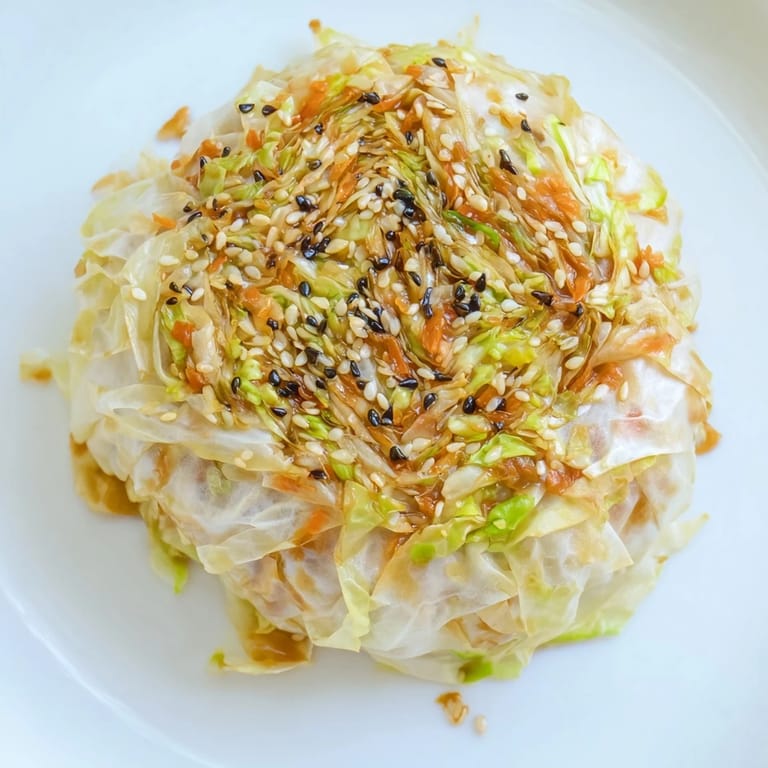
Save My first batch of these dumplings came together almost by accident on a lazy Sunday afternoon when I had a handful of vegetables that needed using up. I'd never worked with rice paper before, and honestly, I was nervous about the whole thing—would they fall apart, would they fry properly, would they actually taste good? Thirty minutes later, I was pulling golden, impossibly crispy bundles from the pan, and my roommate appeared in the kitchen just as one came off the heat. The crunch was so loud and satisfying that she immediately asked if I could make them again next week. That's when I knew I'd stumbled onto something special.
I made these for a potluck once where someone had just announced they'd gone vegan, and I could see them eyeing everyone's cheese dips with a little sadness. When I pulled out my dumplings, still steaming, their whole face changed—they grabbed two and started dipping them in sauce like they'd discovered treasure. Watching someone realize that good food doesn't need animal products was its own kind of magic, and that batch taught me that sometimes the best recipes are the ones that surprise people in the best way.
Ingredients
- Shredded green cabbage: The backbone of your filling—it gives body and that subtle sweetness that balances the savory notes, and honestly, shredding it yourself makes a noticeable difference in texture compared to pre-shredded.
- Medium carrot, grated: This adds a whisper of natural sweetness and color; grating it fine helps it soften quickly and distribute evenly through the filling.
- Shiitake mushrooms, finely chopped: These bring an earthy depth that makes vegetable dumplings feel substantial, and they release moisture as they cook which keeps everything from drying out.
- Green onions, thinly sliced: They stay bright and slightly sharp even after cooking, cutting through the richness and adding a bit of aromatic punch at the end.
- Garlic, minced: Use fresh garlic here—it makes a real difference in the filling's flavor profile, especially since you're sautéing it to mellow it out just a touch.
- Soy sauce or tamari: This is your salt and umami anchor; tamari keeps things gluten-free if that matters to you.
- Sesame oil: Just a teaspoon is enough to add that toasted, nutty background note that makes people say, 'what is that amazing flavor?'
- Fresh ginger, grated: A light touch of ginger adds brightness without overwhelming the delicate vegetable flavors.
- Rice paper sheets: The 22 cm rounds are the sweet spot—big enough to work with but not overwhelming, and the rice paper itself should be thin enough to get truly crispy.
- Neutral oil for frying: Canola or avocado oil work best since they have higher smoke points; avoid olive oil here since its flavor would clash with the Asian-inspired filling.
Tired of Takeout? 🥡
Get 10 meals you can make faster than delivery arrives. Seriously.
One email. No spam. Unsubscribe anytime.
Instructions
- Mix your filling:
- Combine all the vegetables and seasonings in a bowl until everything is evenly distributed and the soy sauce coats everything. The mixture should look vibrant and smell almost like a light stir-fry already.
- Cook the filling briefly:
- Heat oil in your skillet and sauté everything for just 3–4 minutes—you want the vegetables to soften slightly but still have a bit of resistance to them. This step draws out excess moisture so your dumplings don't get soggy, and it lets the flavors meld together.
- Prepare your rice paper:
- Fill a shallow dish with warm (not hot) water and dip each sheet for about 5–10 seconds; it should feel pliable but not falling apart. Pull it out and lay it immediately on a damp kitchen towel—this is your working surface.
- Fill and roll:
- Place 2 tablespoons of filling in the center, fold in the two sides first, then roll it away from you like a burrito, keeping tension as you go. If you roll too loosely, it'll fall apart in the pan; too tight and the wrapper might tear.
- Set up for frying:
- Heat your oil to medium (not too hot or the outside burns before the inside cooks) and arrange your dumplings seam-side down with a little space between each one. Think of them like they need personal space in the pan.
- Fry until golden:
- Cook 2–3 minutes per side without moving them around too much; patience here is key because moving them early prevents that gorgeous crust from forming. You'll hear the sizzle soften and see the edges turn golden before you flip.
- Make your dipping sauce:
- Combine soy sauce, rice vinegar, maple syrup, and chili flakes (if using) in a small bowl and stir until the sweetness dissolves into the sauce. Taste it and adjust—some people want more heat, others more sweetness.
 Save
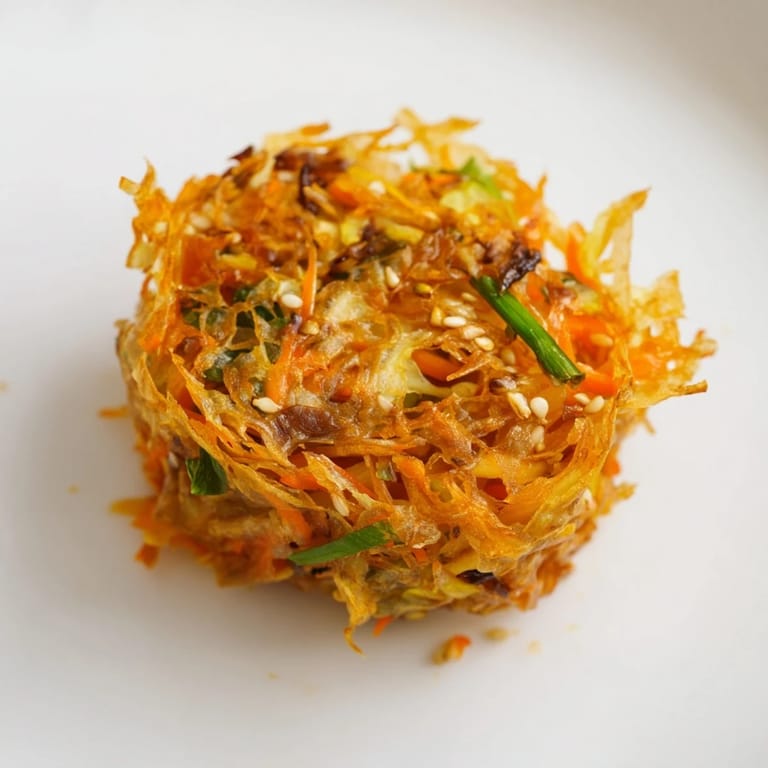
Save There's a moment when you first pull a dumpling from the pan and hear that crunch when you bite into it, and suddenly you understand why these became a viral favorite. It's not just about the food—it's about that perfect combination of textures, the moment of pride when something homemade turns out exactly as good as the restaurant version, maybe better.
The Secret to Maximum Crispiness
If you want these dumplings to stay crunchy for more than two minutes, you have to serve them hot and eat them immediately. I learned this when I tried to make them ahead for a party and they went soft within fifteen minutes at room temperature. Now I treat these like I'm supposed to—fresh from the pan, still singing with heat, eaten right away. The good news is that everything can be prepped well in advance, so you're only five minutes away from spectacular dumplings whenever you need them.
Variations That Actually Work
Once you nail the basic technique, you can start playing with the filling. I've added finely chopped tofu for extra protein, which makes them more substantial without changing the texture much. Cooked shredded chicken works beautifully if you want something less vegan, and once I got creative with a filling that had fresh herbs mixed in—cilantro and mint—and it felt like something entirely new. The rice paper stays the same, the frying technique stays the same, but suddenly you've got a whole different experience.
Why Rice Paper Is Your Friend
Rice paper gets crunchy in ways that wheat wrappers never will, and it's naturally gluten-free, which makes these dumplings accessible for more people. The first time I worked with it, I thought it would be finicky, but it's actually more forgiving than traditional dumpling wrappers once you understand that you're dipping, not soaking. Plus, there's something satisfying about how it crisps up—you get this shattering quality that feels almost luxurious for such a simple ingredient.
- Double wrapping in a second sheet of rice paper creates an insane crunch if you want maximum texture.
- Rice paper sheets last forever in a pantry, so you can keep everything prepped and ready to fry on demand.
- These freeze beautifully before cooking, which means you could have hot, crispy dumplings whenever the craving hits.
 Save
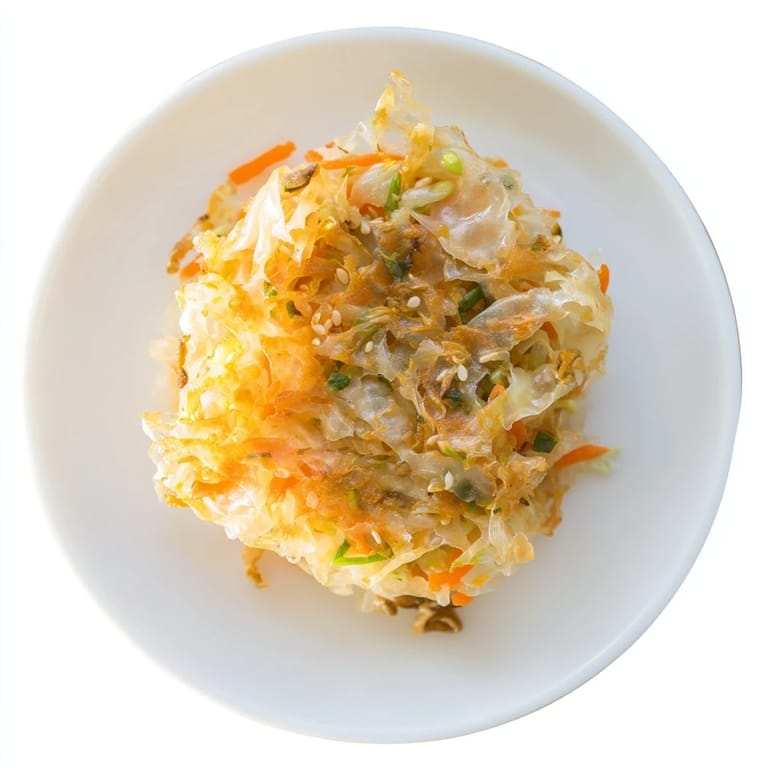
Save These dumplings remind me that some of the best dishes are the ones that look impressive but don't ask much from you. Serve them hot, dip them in sauce, and watch people's faces light up.
Recipe FAQ
- → How do I keep the rice paper wrappers from tearing?
Dip the wrappers in warm water just until pliable, about 5–10 seconds, and avoid over-soaking to prevent tearing.
- → Can I add protein to the filling?
Yes, finely chopped tofu or cooked chicken can be added to enhance protein content without altering the flavor balance.
- → What oil is best for frying these dumplings?
Neutral oils like canola or avocado oil work well to achieve a crispy, golden crust without overpowering the taste.
- → How do I ensure the dumplings are crispy all over?
Cook dumplings seam side down first, then flip gently to brown each side evenly, usually 2–3 minutes per side.
- → Is there a way to make these dumplings gluten-free?
Use tamari in place of soy sauce and confirm rice paper wrappers are gluten-free to maintain the dietary preference.