 Save
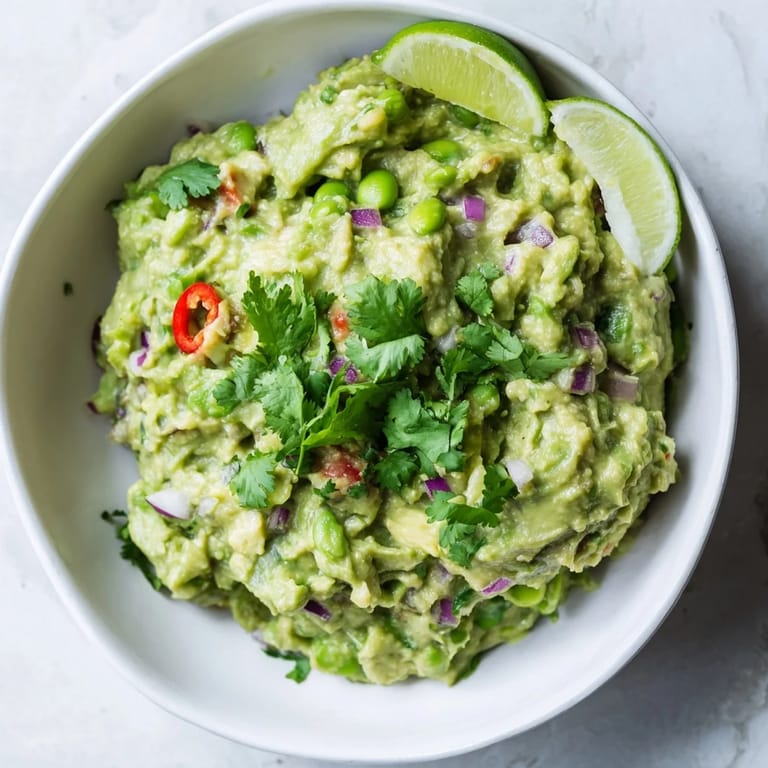
Save I discovered edamame guacamole by accident one afternoon when my regular avocado supply ran low and I had a bag of frozen edamame thawing on the counter. That small green moment of improvisation turned into something I now crave—creamy, protein-packed, and somehow brighter than traditional guac. The first person I served it to asked if I'd added some secret ingredient, and honestly, it was just necessity dressed up as genius.
My roommate was hosting a last-minute game night and asked me to bring something green and shareable. I made this in her tiny kitchen with borrowed knives, and watching people's faces when they realized it wasn't regular guac—some confused, mostly delighted—made the whole thing worth it. She's requested it at every gathering since.
Ingredients
- Shelled edamame (1 cup, fresh or frozen): These little beans are your secret weapon for creaminess without extra avocado, and they bring real protein to the table. Frozen works just as well as fresh, which is why this recipe never feels like a hassle.
- Ripe avocado (1): Pick one that yields slightly to thumb pressure—overripe turns the whole thing brown and mushy faster than you'd think. One is enough because the edamame does half the creamy work.
- Fresh lime juice (2 tablespoons): Bottled won't cut it here; the brightness matters, and fresh lime is the only thing that keeps everything tasting alive. Squeeze it just before you start cooking.
- Jalapeño (1 small, seeded): This gives you heat without overpowering, but leave the seeds in if you like things spicy and want a surprise kick.
- Red onion (1/4 cup, finely chopped): The sharpness balances the richness beautifully, and letting it sit in a tiny bowl while you prep everything else mellows it slightly.
- Fresh cilantro (2 tablespoons): Some people say cilantro tastes like soap; I say those people are missing out on what ties this whole thing together.
- Tomato (1 small, diced): Adds brightness and a little textural contrast, but don't use a watery one or your dip becomes loose.
- Sea salt (1/2 teaspoon) and ground cumin (1/4 teaspoon): Salt is obvious, but cumin is what makes people pause and ask what you did differently.
- Freshly ground black pepper: Finish with fresh pepper, never pre-ground, because you're worth that 20 seconds of effort.
Tired of Takeout? 🥡
Get 10 meals you can make faster than delivery arrives. Seriously.
One email. No spam. Unsubscribe anytime.
Instructions
- Warm the edamame:
- Boil a pot of salted water and drop in your edamame for exactly 5 minutes if frozen—this is enough time to soften them without making them mushy. Drain and run them under cold water until they're cool enough to handle, which also stops them from cooking any further.
- Pulse into creaminess:
- In a food processor, pulse the edamame until it looks mostly smooth but still has tiny flecks of texture. This texture is what makes it interesting, so don't overprocess into baby food.
- Build the base:
- Add avocado, lime juice, salt, cumin, and black pepper to the edamame and pulse again until everything is creamy with some soft chunks still visible. You want it to feel luxurious, not uniform.
- Fold in the brightness:
- Transfer everything to a bowl and gently fold in the jalapeño, tomato, red onion, and cilantro with a rubber spatula. This gentle hand-folding preserves those vegetable pieces instead of turning them into paste.
- Taste and adjust:
- This is non-negotiable—take a chip or a piece of cucumber and taste it before serving. Lime and salt are the last-minute secret adjustments that turn good into memorable.
 Save
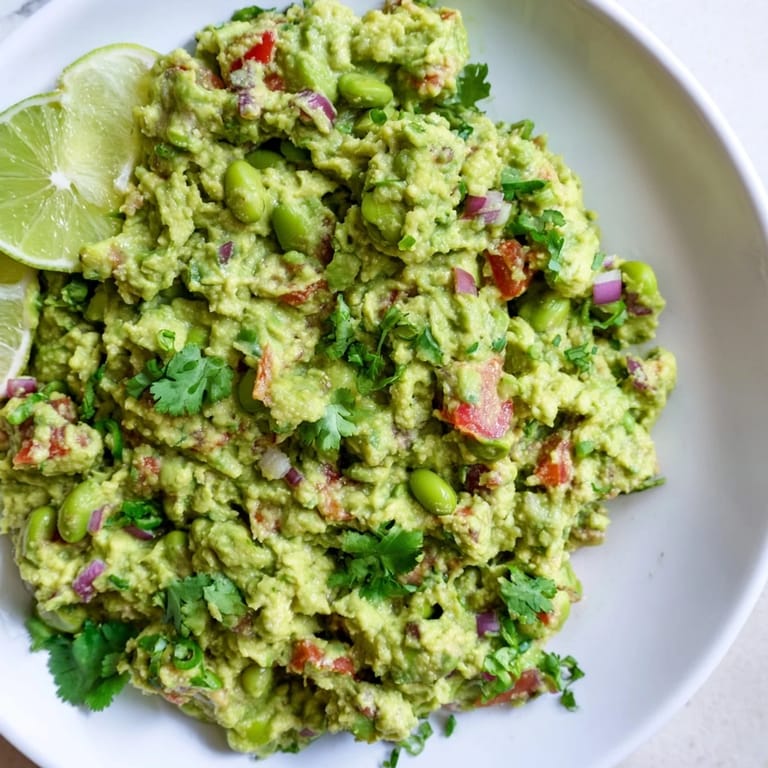
Save The first time someone brought this to a potluck and watched it disappear while their own spinach dip sat untouched, I realized we'd created something that hits different. It became the thing people texted about the next day, asking for the recipe.
Why This Works Better Than Traditional Guacamole
Traditional guac relies entirely on avocado for creaminess, which means you need more of it to serve four people, and avocados are expensive and unpredictable. Edamame gives you that luxurious texture while adding actual protein, making this feel more substantial without being heavy. The flavor stays light and fresh because you're using less avocado, which means less of that flat, separated feeling that guac gets after a few hours in the fridge.
How to Make It Yours
This recipe is a jumping-off point, not a rulebook. I've swapped red onion for scallions when I wanted something softer, added diced mango for sweetness on days when I needed brightness, and even stirred in a tablespoon of hot sauce for friends who live spicy. The base stays the same, but the personality shifts based on what's in your fridge and what you're craving.
Serving and Storage Secrets
Serve this immediately after making it with tortilla chips, raw vegetables, or spread it thick on toast. It keeps in the fridge for up to 2 days if you press plastic wrap right onto the surface, but honestly, it's best eaten the day you make it. The texture stays perfect, the colors stay bright, and you avoid that slightly oxidized edge that happens no matter what you do after day two.
- Tortilla chips, pita chips, or crudités are the obvious companions, but don't sleep on spreading this on a sandwich or adding it to grain bowls.
- If you're prepping for a party, make this 2 hours ahead and cover it tightly so the flavors meld and the temperature stays cool.
- For potlucks, transport it in a sealed container and keep it on ice until the last possible moment before serving.
 Save
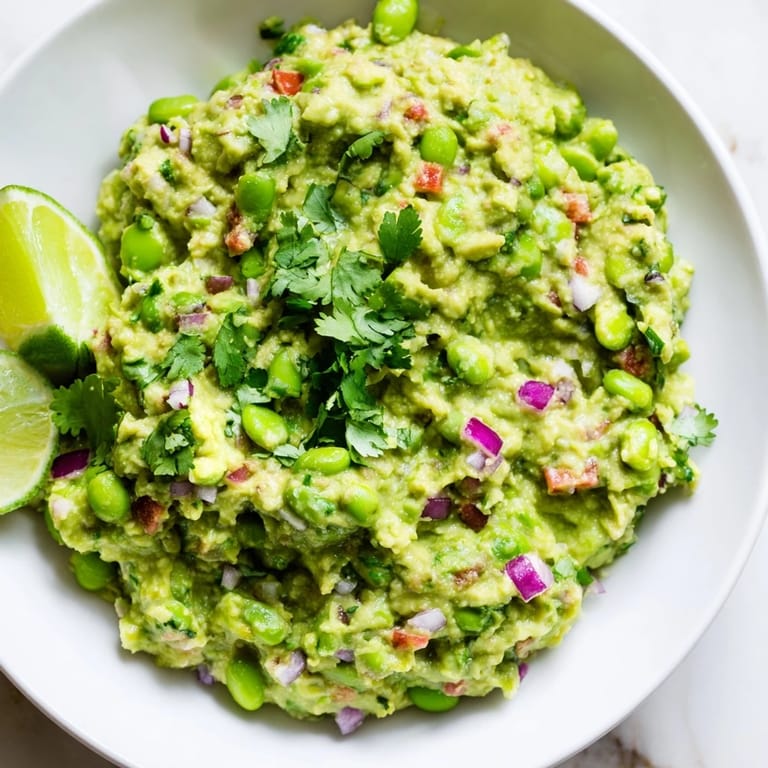
Save This dip has become my go-to for potlucks, unexpected guests, and quiet afternoons when I need something that feels special but doesn't demand fussing. It's the kind of recipe that whispers instead of shouts, which is exactly why people keep coming back for more.
Recipe FAQ
- → What gives the creamy texture in this blend?
The smooth creaminess comes primarily from ripe avocado combined with pureed shelled edamame, creating a rich and satisfying base.
- → How is the heat level adjusted?
Heat can be customized by including some jalapeño seeds or adding hot sauce according to personal preference.
- → Can frozen edamame be used instead of fresh?
Yes, frozen shelled edamame works well and should be boiled until tender before blending to maintain the desired texture.
- → What dishes pair well with this spread?
This blend is excellent as a dip for tortilla chips and crudités or as a flavorful sandwich spread, adding vibrant taste and protein.
- → How can the flavor be varied?
Flavor variations can include swapping red onion for scallions, adding diced mango for sweetness, or adjusting spices like cumin for depth.
- → How should leftovers be stored?
Store leftovers covered in the refrigerator for up to two days to preserve freshness and flavor.