 Save
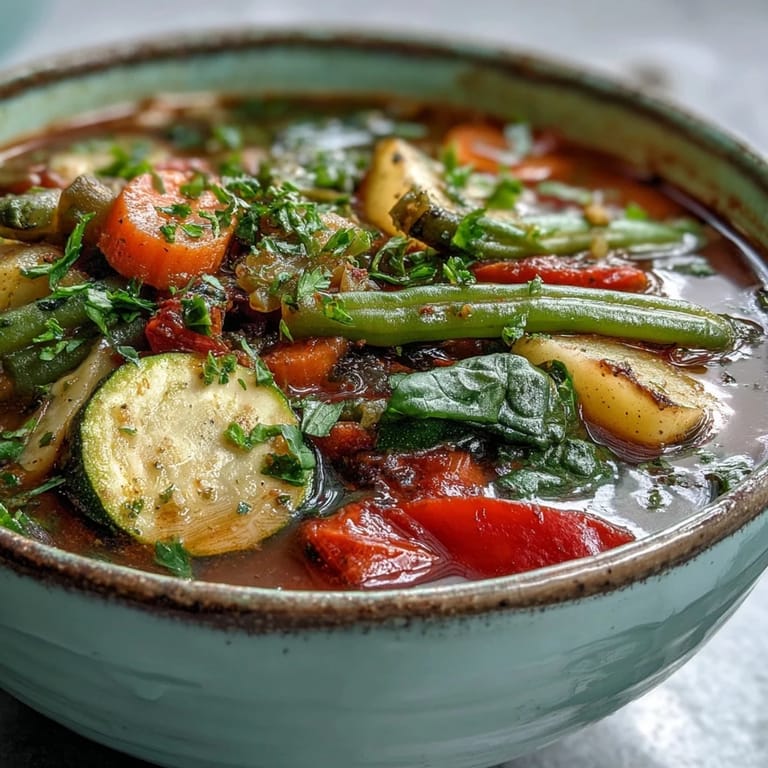
Save My neighbor Maria stopped by one autumn afternoon with a bundle of zucchini from her garden, and I realized I had carrots, tomatoes, and half a dozen other vegetables crowding my crisper drawer. Instead of letting them wilt, I threw together this Italian herb vegetable soup on a whim, and the smell that filled my kitchen was so inviting that she stayed for a bowl. That one afternoon taught me that the best soups aren't planned—they're discovered in the quiet moments when you decide to use what's already there.
I made this soup for my book club one rainy winter evening, and I remember standing at the stove listening to the gentle bubble of the broth while everyone arrived in the living room, shaking rainwater from their coats. By the time we gathered around the table, the soup had filled the entire house with warmth and Mediterranean nostalgia—nobody wanted seconds because we were too busy talking, but everyone asked for the recipe before leaving.
Ingredients
- Olive oil: Use a good quality extra virgin oil if you can, because you taste it in those first moments when the garlic hits the pan.
- Onion and garlic: These are your flavor foundation—don't rush them, let them soften and become fragrant before adding anything else.
- Carrots, celery, zucchini, red bell pepper, and green beans: The vegetables should be roughly the same size so they cook evenly and look intentional in the bowl.
- Diced tomatoes: Canned tomatoes work beautifully here because they're picked at peak ripeness, and the juice adds body to the broth.
- Vegetable broth: This is the soul of the soup, so choose one you'd actually drink on its own.
- Potato: It softens into the broth and makes each spoonful feel substantial without being heavy.
- Baby spinach: Added at the very end so it stays bright and tender, not dark and mushy.
- Oregano, basil, thyme, and rosemary: Dried herbs work perfectly here, and they bloom as the soup simmers, filling your kitchen with that unmistakable Italian garden smell.
- Bay leaf: Always remove it before serving—I learned this the hard way years ago.
- Salt and black pepper: Taste as you go and season at the end, because flavors concentrate as the soup cooks.
- Cannellini beans (optional): They add protein and earthiness if you want to make this more of a main course.
- Fresh parsley and Parmesan (optional): These finishing touches feel like a little gift to yourself in every bowl.
Tired of Takeout? 🥡
Get 10 meals you can make faster than delivery arrives. Seriously.
One email. No spam. Unsubscribe anytime.
Instructions
- Warm the oil and coax out the aromatics:
- Pour olive oil into your pot over medium heat, then add the diced onion and minced garlic. You're looking for that moment when the kitchen fills with a sweet, savory smell—about 2–3 minutes—which means everything is softened and ready for the next step.
- Build the vegetable base:
- Stir in the carrots, celery, zucchini, red bell pepper, and green beans, letting them cook for 5–6 minutes while you stir occasionally. They'll start to soften at the edges, which tells you they're ready to meet the broth.
- Pour in the liquid and seasonings:
- Add the canned tomatoes with their juices, vegetable broth, and diced potato, then sprinkle in all your dried herbs and the bay leaf. Give it a good stir so everything mingles together.
- Let it simmer into something beautiful:
- Bring the pot to a boil, then turn the heat down and let it bubble gently for 20–25 minutes until the vegetables are tender and the flavors have had time to know each other. This is a good moment to sit down with tea.
- Add beans if you're using them:
- Stir in the cannellini beans if you have them and let them warm through for about 5 minutes, tasting as you go.
- Finish with spinach and adjust the seasoning:
- Remove the bay leaf, then add the spinach and watch it wilt into tender ribbons in just a minute or two. Taste the soup and add more salt and pepper if it needs them.
- Serve with ceremony:
- Ladle the soup into bowls, then scatter fresh parsley on top and grate some Parmesan over it if you'd like. Hot soup tastes better when it arrives at the table with a little care.
 Save
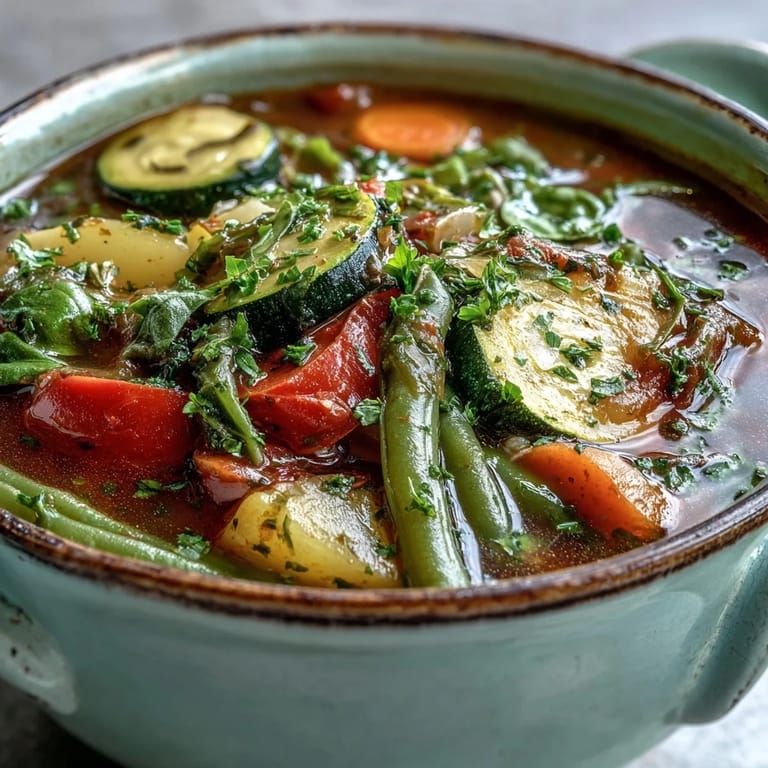
Save My daughter once declared she didn't like vegetables, and then one evening she finished an entire bowl of this soup without noticing what she was eating. We didn't make a big announcement about it, but I caught my wife's eye across the table and we both smiled quietly, knowing that this bowl had somehow done more than fill a stomach.
Why This Soup Works Every Season
In summer I use fresh zucchini and tomatoes from the farmers market, and the soup tastes like a garden in a bowl. When autumn arrives I add more root vegetables and let the thyme and rosemary shine. Winter calls for heartier additions like beans or a drizzle of good olive oil on top, and by spring the bright spinach and fresh parsley feel like renewal. There's something honest about a soup that transforms with the seasons instead of fighting against them.
The Power of Building Flavor Slowly
I once tried to speed up this soup by skipping the initial sauté and dumping everything in at once, and the result was technically edible but emotionally flat. The magic happens when you take time with each layer—the onions first, then the harder vegetables, then the broth and herbs. It's not about making the soup faster; it's about making it worth eating.
Make It Your Own
This recipe is a blueprint, not a prison sentence. Add ditalini or orzo pasta during the last 10 minutes if you want something that sticks to your ribs, or stir in white beans for protein. Some people add a splash of balsamic vinegar at the end for depth, and others finish with a drizzle of good olive oil instead of cheese. The beautiful part is that you can't really go wrong—Mediterranean flavors were meant to be flexible and forgiving.
- If you're making this for someone with gluten sensitivity, use certified gluten-free broth and skip any pasta additions.
- The soup freezes beautifully for up to three months if you let it cool completely first.
- Reheat gently on the stove rather than the microwave so the vegetables don't turn mushy.
 Save
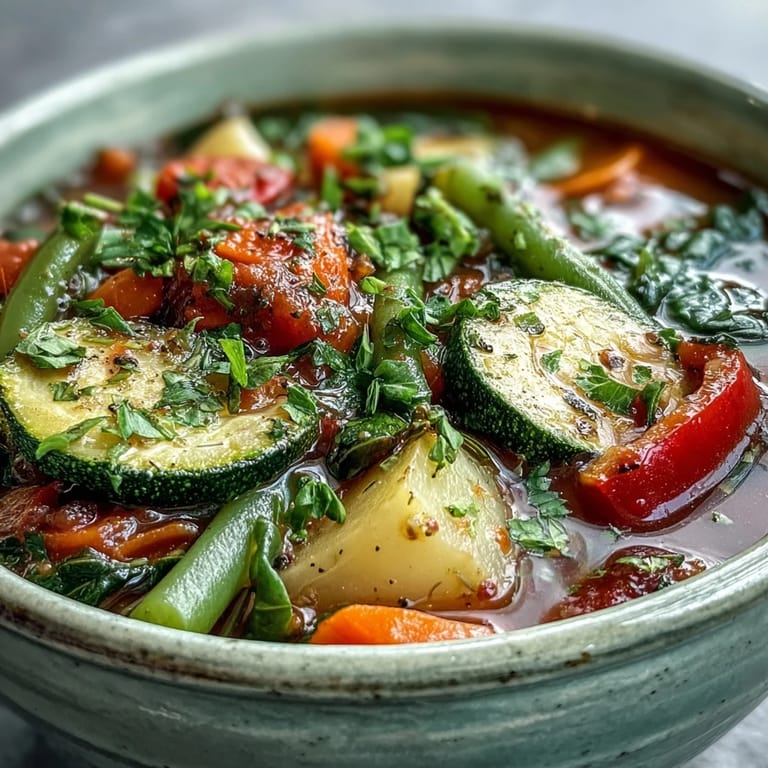
Save This soup has become my go-to when I want to feel capable in the kitchen without fussing, and it never fails to make me feel a little bit like a home cook instead of someone just heating up food. There's gratitude in every spoonful.
Recipe FAQ
- → Can I make this soup gluten-free?
Yes, this soup is naturally gluten-free when made with vegetable broth. If adding pasta for extra heartiness, choose certified gluten-free varieties like gluten-free ditalini or rice-based pasta.
- → How long does this soup keep in the refrigerator?
The soup stores well in an airtight container in the refrigerator for 4-5 days. The flavors often develop and deepen after a day or two, making it an excellent meal prep option.
- → Can I freeze this Italian herb soup?
Absolutely. Cool completely before transferring to freezer-safe containers. It freezes well for up to 3 months. Thaw overnight in the refrigerator and reheat gently on the stovetop.
- → What vegetables work best in this soup?
The recipe highlights classic Mediterranean vegetables, but you can adapt based on what's in season. Try adding butternut squash in fall, fresh peas in spring, or diced eggplant for summer variations.
- → How can I add more protein?
The optional cannellini beans add excellent plant-based protein. You could also stir in small pasta during the last 10 minutes of cooking, or serve with crusty bread for a more substantial meal.
- → Can I use fresh herbs instead of dried?
Yes, substitute with 3 times the amount of fresh herbs. Add delicate herbs like fresh basil and parsley in the last few minutes to preserve their bright flavor.