 Save
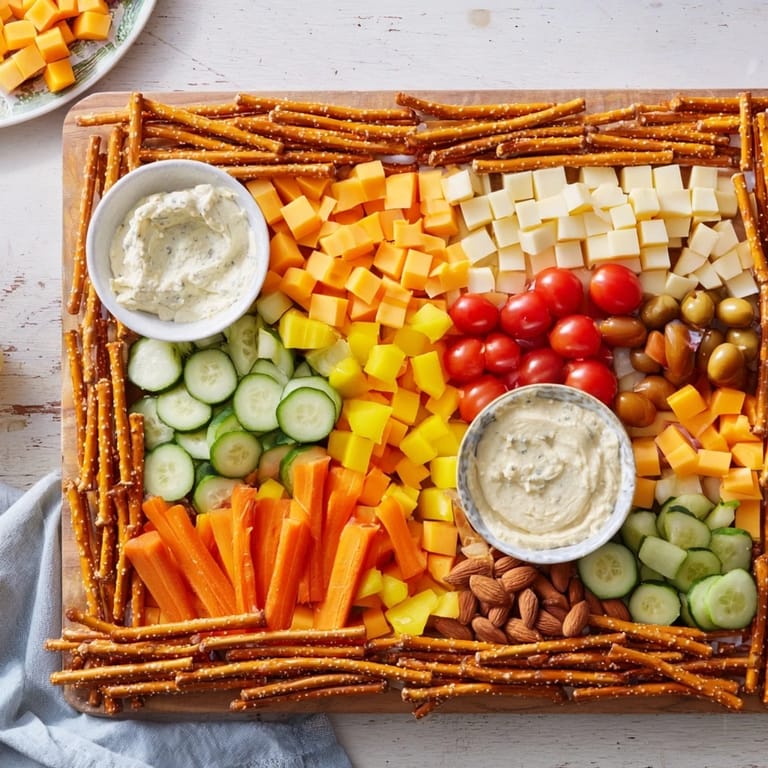
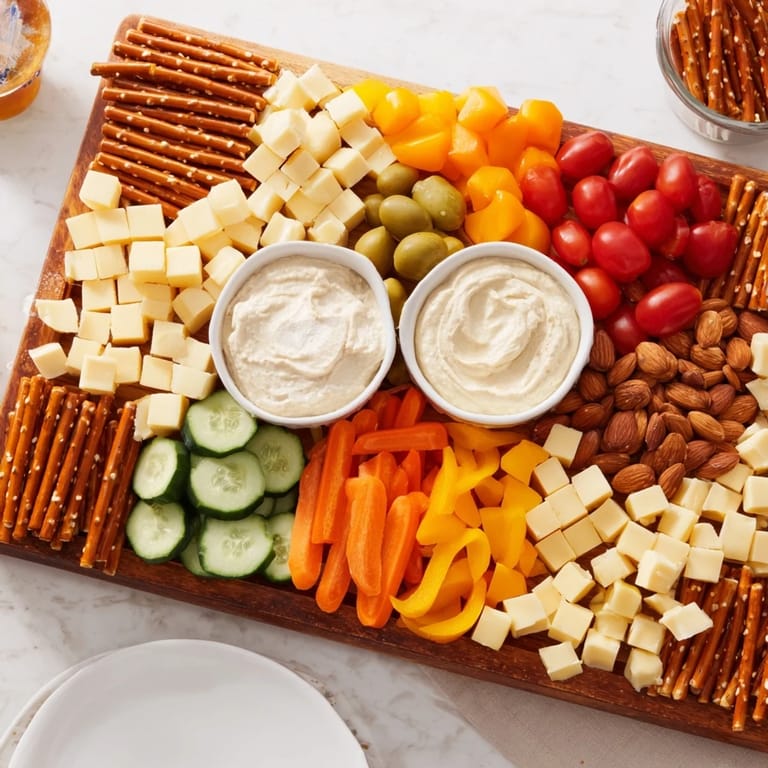
Save Last spring, I was tasked with throwing together a last-minute gathering for my neighbors, and I had maybe an hour to pull something together. I kept thinking about how snacking doesn't have to be chaotic—it could actually be a mini-experience, something you explore rather than just grab from. That's when the idea hit: what if I turned the pretzel rods I had on hand into actual streets, dividing my board into little neighborhoods of flavor? My friends arrived to find this edible city waiting for them, and the way people leaned in to discover each block reminded me that food doesn't need to be complicated to feel thoughtful.
I made this for a work potluck once, and I remember standing in my kitchen at 6 a.m., carefully laying out those pretzel rods in perfect rows, almost like I was plotting city streets on grid paper. When I arrived at the office and set it down in the break room, people literally stopped what they were doing. It became the conversation starter without me saying a word—that's when I realized presentation isn't vanity, it's permission for people to be excited about food.
Ingredients
- Pretzel Rods (20 long ones): These are your architecture—they're sturdy enough to act as actual dividers between flavor zones, and their saltiness anchors everything else beautifully.
- Mild Cheddar (100 g, cubed): The approachable cheese that everyone gravitates toward first; it melts slightly against the warm pretzels if your kitchen is summer-warm.
- Gouda (100 g, cubed): This brings a subtle smokiness that surprises people in the best way, especially if they've been expecting something obvious.
- Mozzarella (100 g, cubed): Fresh mozzarella adds a creamy counterpoint to the sharper cheeses and works magic with the tomatoes.
- Salami (100 g, sliced): Skip this if you're vegetarian, but if you're including it, fold the slices into little triangles—they look intentional and architectural.
- Smoked Turkey (100 g, cubed): Leaner than salami and less overpowering, so it won't dominate the other flavors if someone takes a hefty handful.
- Cherry Tomatoes (1 cup, halved): Halve them just before serving so they stay bright and juicy; whole ones tend to roll around and feel chaotic on the board.
- Cucumber (1, sliced): The refreshing palate cleanser that people don't realize they need until they taste it between the cheese and the nuts.
- Yellow Bell Pepper (1, diced): The bright color does half the visual work for you, and it has just enough sweetness to balance the salty pretzel.
- Baby Carrots (1/2 cup): These feel more intentional than carrot sticks, and they're sturdy enough to scoop into hummus without snapping.
- Hummus (1/2 cup): Keep this in a small bowl right in the grid; it's the anchor that ties vegetable to pretzel to protein.
- Ranch Dip (1/2 cup): I know, it sounds basic, but it works like glue between unexpected flavor combinations, especially if someone pairs it with olive and cheese.
- Mixed Olives (1/2 cup): These are the sophistication touch—they add brininess and make the whole thing feel less like a kid's snack and more like a grown-up moment.
- Roasted Nuts (1/2 cup, almonds or cashews): The textural surprise that makes people go back for one more handful; they also soak up any acidity from the tomatoes or dips.
Tired of Takeout? 🥡
Get 10 meals you can make faster than delivery arrives. Seriously.
One email. No spam. Unsubscribe anytime.
Instructions
- Build Your Street Grid:
- Lay your pretzel rods in parallel lines across your board—aim for about four rows running lengthwise and crosswise, creating a gentle grid. Don't stress about perfect precision; the handmade quality is actually part of the charm.
- Populate Each Block:
- Within each rectangle formed by the pretzels, group one type of ingredient: cheeses in one corner block, tomatoes in another, turkey in another. The visual separation makes it feel like organized abundance rather than a jumble.
- Nest Your Dips:
- Pour hummus and ranch into small bowls and tuck them into two of your blocks, or keep them just outside the grid perimeter if space gets tight. This keeps the dips from being overshadowed by solid ingredients.
- Final Scatter:
- Sprinkle olives and nuts into empty pockets between other ingredients, filling visual gaps and adding surprise elements. Stand back and look—if something feels sparse, add a little more of whatever color that section needs.
- Serve Without Fanfare:
- Set it down and let people discover it at their own pace; the best part is watching someone notice the city structure for the first time.
 Save
Save There's something almost meditative about arranging this platter—I find myself slowing down, thinking about color balance and how flavors will echo off each other. That quietness before guests arrive, standing over the board and making tiny adjustments, is when the platter stops being just food and becomes a small piece of art you're about to share.
Playing With the Grid
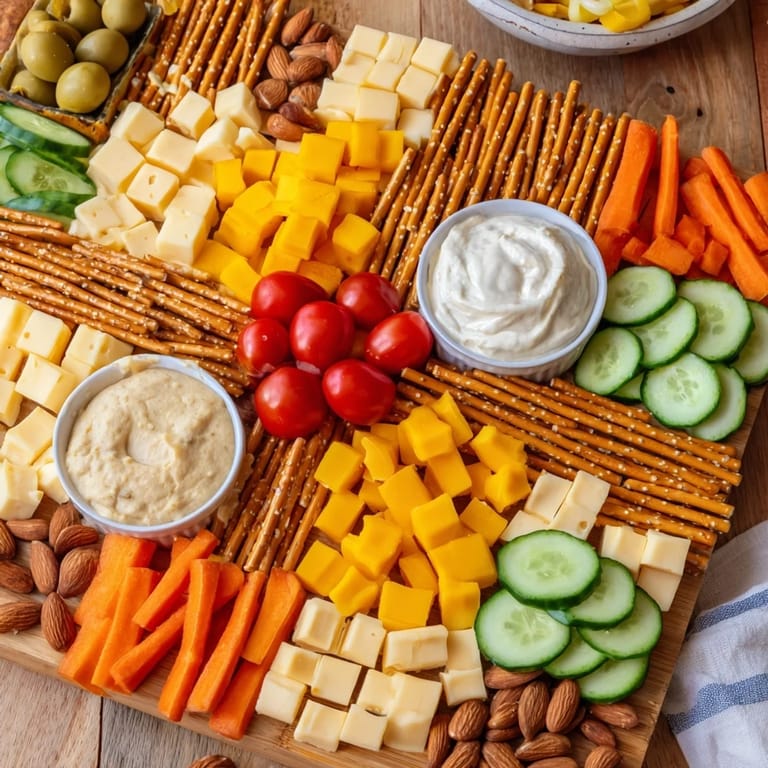
The beauty of this design is that it's endlessly tweakable depending on the season or your mood. In summer, I lean into fresh elements—add grapes, apple slices, or sliced peaches into some blocks to introduce sweetness. In winter, I might include marinated artichokes, roasted chickpeas, or even small dollops of pesto to add richness. The pretzel grid stays constant, but what you fill it with can shift from party to party, making the same structure feel completely different each time.
The Dip Strategy
I used to make the mistake of setting out ranch and hummus thinking one person would use ranch and another hummus, but I've learned people want options within every bite. The real move is having at least two dips so someone can double-dip a carrot into hummus, then a pretzel into ranch, creating this personalized flavor journey. If you want to get creative, try adding a small bowl of mustard (regular or whole grain) or even a white cheese dip for unexpected pairings that make people stop and notice what they're eating.
Variations and Personal Touches
This platter welcomes creativity without demanding it, which is rare for a recipe. Some of my favorite discoveries have come from guests mentioning an allergy or preference, and me scrambling to find something to fill that gap—suddenly there's fig jam in one corner or roasted red peppers in another. The pretzel grid becomes a canvas, and the more you make it, the more comfortable you become trusting your instincts about which flavors and colors belong together.
- For a vegan version, swap to plant-based cheeses and skip the meats, letting the nuts and olives carry the protein.
- Add marinated vegetables or specialty mustards to introduce complexity without extra cooking.
- Consider a crisp white wine or light lager as the perfect companion that won't overshadow the subtle cheese and vegetable flavors.
 Save
Save This platter has taught me that entertaining doesn't mean stress, and beautiful food doesn't require hours of precision. It's become one of my go-to moves whenever I want to gather people around something that feels both effortless and purposeful.
Recipe FAQ
- → How do I arrange the pretzel rods?
Lay the long pretzel rods in parallel and perpendicular lines on a large board to create a grid pattern resembling city streets.
- → What cheeses work best for this platter?
Mild cheddar, gouda, and mozzarella offer a nice variety of textures and flavors that pair well together.
- → Can I make this platter vegan?
Yes, by using plant-based cheeses and omitting meats, you can create a vegan-friendly version.
- → What dips complement the platter?
Hummus and ranch dips provide creamy options that balance the crunchy and fresh ingredients.
- → How should I serve this snack platter?
Present it immediately after assembling to keep the ingredients fresh and allow easy interactive snacking.
- → Are there recommended add-ons?
Consider adding roasted nuts, mixed olives, or marinated vegetables for extra flavor and texture.