 Save
Save I'll never forget the dinner party where I decided to stop arranging salads like everyone else and instead build something that made guests lean in before even tasting it. A friend had brought over this stunning wedge of Saint-Marcellin, creamy and golden, and I realized it deserved to be the star rather than just another ingredient tossed into a bowl. That evening taught me that sometimes the most memorable meals happen when you treat the plate like a canvas and let each element find its place deliberately.
The first time I actually pulled this off, my hands were shaking a little as I arranged those arugula ribbons into radiating lines. I'd practiced the geometry in my mind but wasn't sure it would translate, and then my partner walked in, went quiet for a moment, and said "wait, you made this?" That simple reaction made me understand that good food isn't just about taste, it's about creating a moment of pause and appreciation.
Ingredients
- Baby arugula: Use the smallest leaves you can find, as they stay tender and add a peppery whisper without overwhelming the palate.
- Cherry tomatoes: The halves create clean, half-circle shapes that photograph beautifully and bleed their juice into the dressing.
- Cucumber: Slice it paper-thin on a mandoline if you have one, otherwise use a sharp vegetable peeler for ribbons that catch the light.
- Watermelon radish: The pale pink and white rings are the secret visual element that makes this salad feel modern and intentional.
- Pomegranate seeds: These jewel-like bursts of tart sweetness puncture the crunch and add actual flavor, not just color.
- Toasted walnuts: Toast them yourself in a dry pan for five minutes, they taste completely different from raw and add a subtle bitterness that grounds the sweetness.
- Extra-virgin olive oil: This is where you splurge, a good one makes the dressing taste alive.
- White balsamic vinegar: It's milder and sweeter than regular balsamic, it won't darken your beautiful arrangement.
- Honey, Dijon mustard, salt, pepper: These transform simple oil and vinegar into something with actual backbone.
- Artisanal cheese wheel: Choose one that's slightly soft and spreadable, it should feel luxurious in your mouth and smell like something you'd want to keep smelling.
Tired of Takeout? 🥡
Get 10 meals you can make faster than delivery arrives. Seriously.
One email. No spam. Unsubscribe anytime.
Instructions
- Find your center:
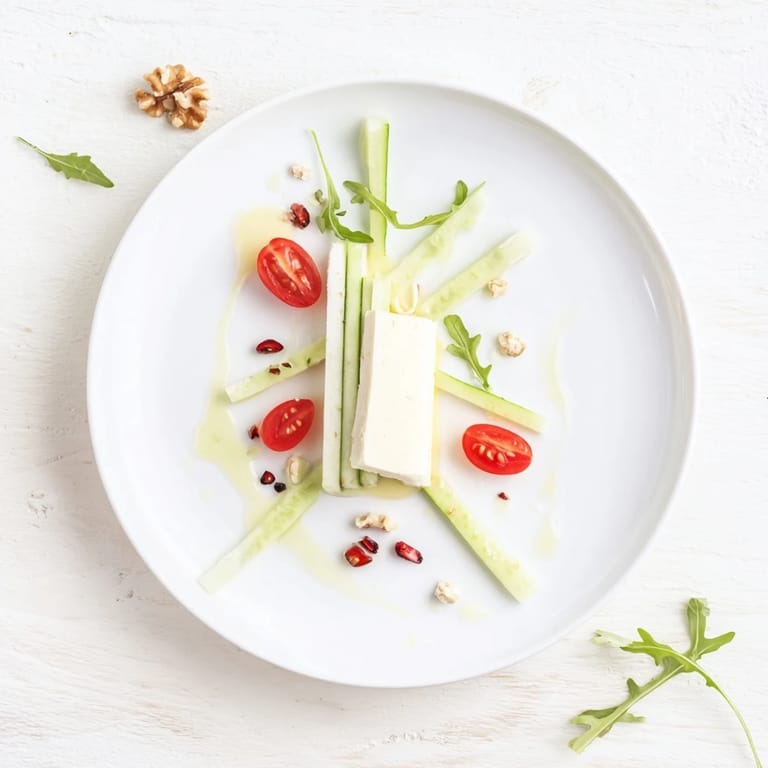
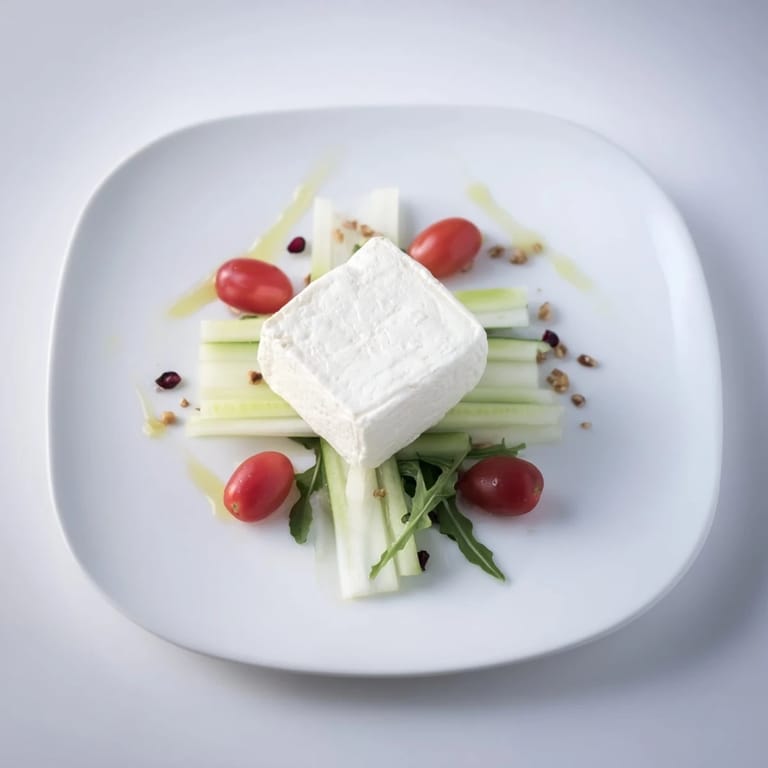
- Place the cheese wheel slightly off-center on your platter, like it's the focal point of a painting. It should sit on a small pedestal or plate so it feels elevated and important.
- Create the arc:
- Sweep the arugula in flowing lines outward from the cheese, as if the greens are bending toward it. Think of it like iron filings around a magnet.
- Layer with intention:
- Arrange the tomato halves, cucumber slices, and watermelon radish in deliberate rows, all angled toward the cheese. They should look organized but not rigid, like nature designed it this way.
- Scatter and balance:
- Distribute pomegranate seeds and walnuts throughout, keeping the directional flow. The scattered elements break up the rows and add visual texture.
- Make the dressing:
- Whisk oil, vinegar, honey, and mustard together in a small bowl, tasting and adjusting as you go. Salt and pepper should be added gradually, they're easier to add than remove.
- Finish with restraint:
- Drizzle the dressing lightly over everything except the cheese, which should stay pristine and untouched. You want people to cut a piece of cheese and dip it into the salad, not the other way around.
- Serve at once:
- Bring it to the table while everything is still crisp and the cheese is cool. This salad has a short peak, enjoy it there.
 Save
Save My favorite moment came when someone at the table cut into the cheese and said it was still cool from the fridge, and the contrast with the bright, slightly warm vegetables made them taste even more vibrant. That's when I realized this salad works because it asks people to do something with their hands, to engage, not just to eat passively.
Choosing Your Cheese
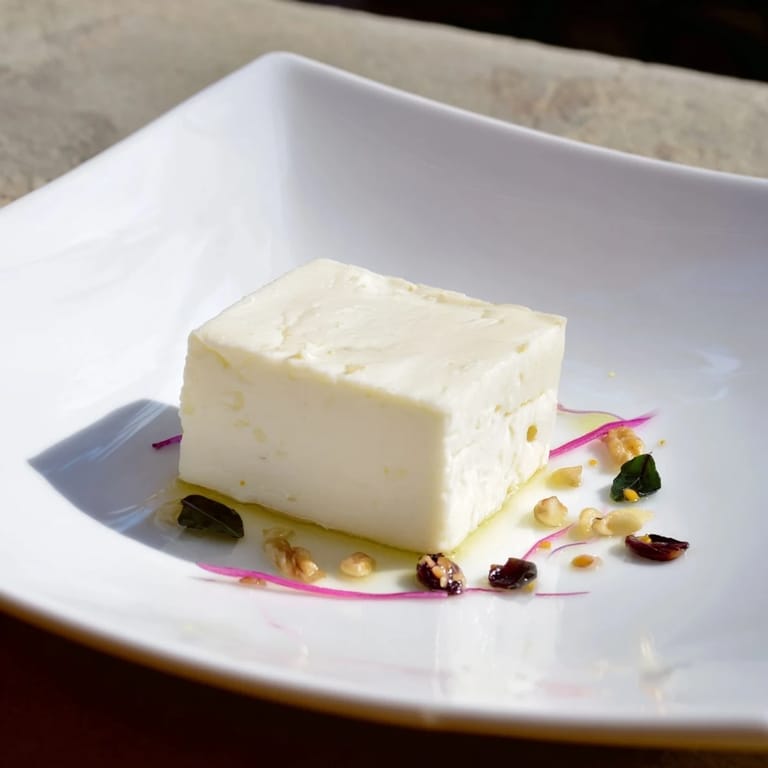
The cheese is the entire story here, so choose one you genuinely love eating on its own. Saint-Marcellin is classic and slightly nutty, Brie is familiar and rich, Humboldt Fog has that line of ash running through it that looks dramatic on the board. I've even used a local creamery's offerings when I wanted to feel adventurous. The point is that the cheese should be something that makes you happy just looking at it.
Building Flavor Balance
The dressing is deliberately light because it needs to enhance without overpowering the cheese and vegetables. The honey adds just enough sweetness to balance the mustard's sharpness, and the white balsamic keeps everything feeling bright. If you find yourself reaching for heavy dressings, resist, this is about tasting each element distinctly before they dance together.
Variations & Personal Touch
Once you master the basic arrangement, you can play with the elements. Add prosciutto slices fanned out like petals, or smoked salmon if that's more your style. Edible flowers scattered throughout make it feel like you're serving art that also happens to be delicious. The structure stays the same, the ingredients adapt to what excites you and your guests.
- Try local cheeses from farmers markets, they often surprise you in the best way.
- Swap seasonal produce in and out, spring peas instead of pomegranate, winter persimmons instead of tomatoes.
- Make extra dressing and serve it on the side so people can adjust to their taste.
 Save
Save This salad taught me that presentation and taste aren't opposites, they live together. When you feed people something beautiful and intentional, they taste it differently, they remember it longer.
Recipe FAQ
- → What cheese types work well as the centerpiece?
Soft cheeses like Saint-Marcellin, Brie, Camembert, Humboldt Fog, or blues provide creamy texture and rich flavors that complement the fresh ingredients.
- → How should the salad be arranged for best effect?
Arrange arugula in a sweeping arc from the cheese wheel, then layer cherry tomatoes, cucumber, and watermelon radish in rows pointed toward the cheese to create a dramatic visual focus.
- → Can the dressing be adjusted?
Yes, the dressing balances olive oil, white balsamic vinegar, honey, and Dijon mustard for subtle sweetness and acidity, but you can adjust proportions to taste.
- → Are there suggested pairings for this salad?
It pairs well with chilled white wines such as Sauvignon Blanc or a dry rosé, enhancing its fresh and nutty qualities.
- → How can this dish be adapted for non-vegetarian diets?
Add thinly sliced prosciutto or smoked salmon alongside the arranged produce and cheese for additional flavor and protein.