 Save
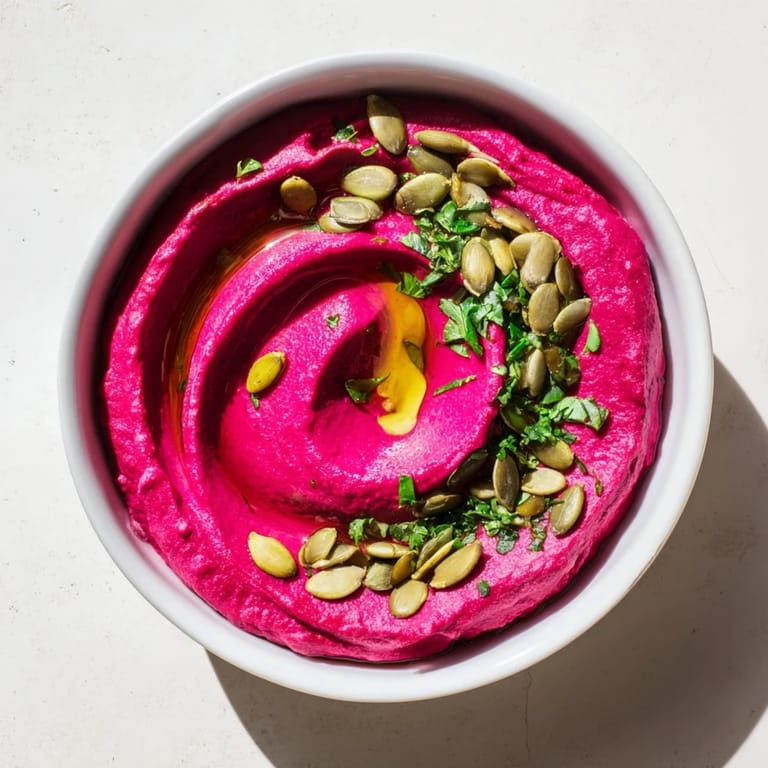
Save The first time I made beet hummus, I wasn't trying to be fancy—I just had a bunch of roasted beets sitting in my fridge and a craving for something creamy. I threw them into the food processor with chickpeas and tahini, half expecting a muddy-colored disaster. Instead, out came this shocking pink dip that stopped everyone mid-conversation when I brought it to the table. Now I make it whenever I need a dish that looks like it took hours but honestly takes less than an hour from start to finish.
I remember bringing this to a potluck where someone had made a traditional hummus, and watching people gravitate toward the pink one purely because they'd never seen anything like it before. Someone's kid asked if it was strawberry, and I got to explain how beets work their magic. That's when I realized hummus doesn't have to follow the rules—it just has to taste good and look interesting.
Ingredients
- Medium beets: Roasting brings out their natural sweetness and makes them soft enough to blend into silk—skip the canned stuff, the fresh ones are worth the forty minutes.
- Tahini: This is where the creamy magic happens; it's basically ground sesame seeds, and it transforms chickpeas into velvet.
- Freshly squeezed lemon juice: This cuts through the earthiness and keeps the hummus bright—bottled just doesn't have the same spark.
- Chickpeas: Drained and rinsed so you control the texture; canned works perfectly fine.
- Olive oil: Good enough to drizzle on top but don't waste your best stuff here—use what you'd cook with daily.
- Garlic cloves: Raw garlic gives you that assertive bite, but roasted softens it if you prefer a gentler version.
- Ground cumin: A teaspoon is enough to whisper warmth without overpowering the sweet beets.
- Fine sea salt: Taste as you go because this is what brings everything into focus.
- Cold water: Added slowly while blending to reach that cloud-like consistency without making it soupy.
- Toasted pumpkin or sesame seeds: These catch the light and add a little crunch that makes people notice texture.
- Fresh parsley: A green garnish against pink is simple but it matters.
Tired of Takeout? 🥡
Get 10 meals you can make faster than delivery arrives. Seriously.
One email. No spam. Unsubscribe anytime.
Instructions
- Roast the beets until they collapse:
- Wrap them loosely in foil, toss with olive oil, and let the oven do the work at 400°F for 35 to 40 minutes until a fork slides through like butter. The smell that fills your kitchen is worth the wait alone.
- Cool and peel them:
- Once they're cool enough to handle, the skin slides off under running water—wear an apron because beet juice loves staining things. Chop them into rough chunks.
- Blend everything into smoothness:
- Combine the beets, chickpeas, tahini, lemon juice, olive oil, garlic, cumin, and salt in a food processor and let it run until the texture is mostly smooth with no visible chunks. This should take a couple of minutes of honest blending.
- Drizzle water while blending:
- With the motor still running, add cold water a tablespoon at a time until the hummus becomes almost impossibly creamy and fluffy. You'll feel the texture shift under the blade.
- Taste and adjust:
- Stop and taste it; maybe you need more salt, maybe more lemon—trust your instincts here because every beet is slightly different.
- Plate it like you mean it:
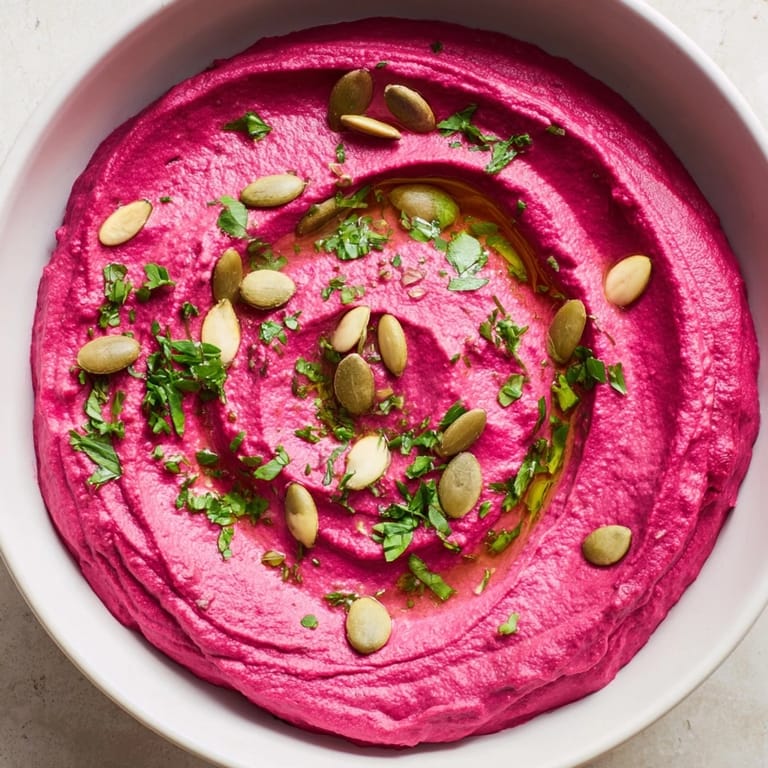
- Scoop the hummus into a shallow bowl, use the back of a spoon to create a gentle swirl in the top, then drizzle with olive oil and scatter the seeds and parsley over it. This step takes thirty seconds but makes all the difference.
 Save
Save There was this one dinner where I served this alongside store-bought hummus, and the homemade version disappeared while the other sat quietly in its container. It taught me that people eat with their eyes first, but they come back for taste. This hummus delivers on both.
Why Beets Transform Everything
Beets are one of those vegetables that barely taste like vegetables at all—they're almost sweet, almost earthy, almost something else entirely. When you roast them, they get softer and their natural sugars concentrate, which means you're adding depth without any refined sweetness. This is what makes the hummus interesting instead of one-note; the beet flavor sits right there with the sesame and chickpea, creating conversations between flavors instead of a solo act.
Serving and Pairing Ideas
This hummus wants to be eaten with something to scoop it with, so warm pita bread is perfect—you can even brush it with olive oil and toast it under the broiler for crispness. Raw vegetables like carrots, cucumbers, and bell peppers work beautifully, or spread it thick on a sandwich for color and creaminess. I've even dolloped it onto grain bowls or used it as a base under roasted vegetables, and it always feels a little fancy despite being simple.
Storage and Make-Ahead Magic
This hummus keeps for about five days in an airtight container in the fridge, and the flavors actually deepen overnight as everything gets to know each other. You can make the beets a day ahead if you want to break up the work, then blend everything together when you're ready. The trickiest part is stopping yourself from eating it straight from the bowl before guests arrive, so portion out what you need and hide the rest.
- Store in an airtight container and top with a thin layer of olive oil to keep it from oxidizing.
- If it gets a little thick in the fridge, stir in a splash of water to bring back the creaminess.
- This also freezes surprisingly well for up to two months if you ever find yourself with leftovers.
 Save
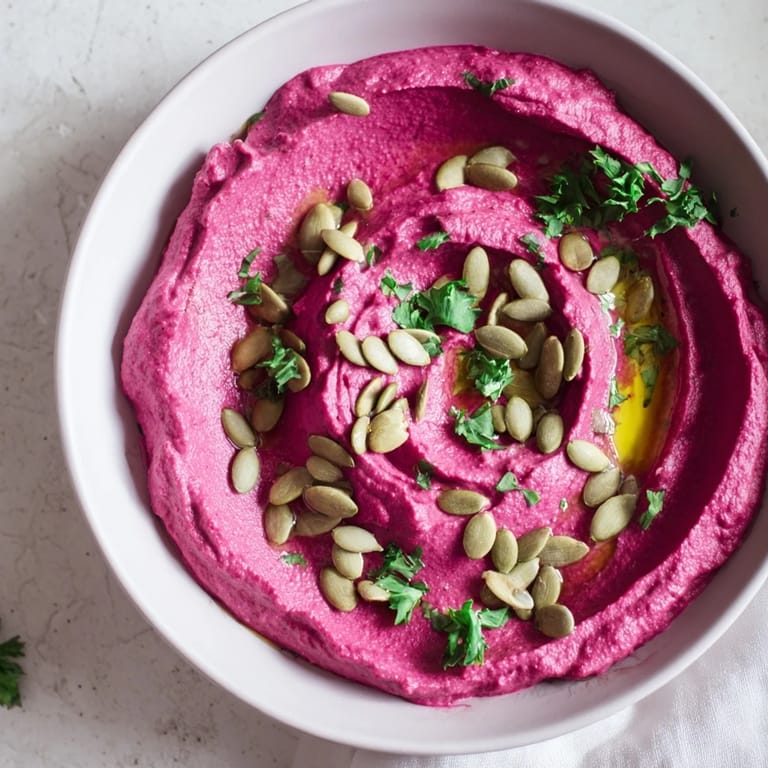
Save Beet hummus is the kind of dish that makes you feel creative in the kitchen without requiring creativity at all. Serve it and watch what happens.
Recipe FAQ
- → How do roasted beets influence the flavor?
Roasting beets intensifies their natural sweetness and adds a subtle smoky depth, balancing well with the creamy chickpeas.
- → What gives the spread its vibrant pink hue?
The natural pigments in roasted beets impart a rich, bright pink color that makes this spread visually striking.
- → Can the garlic flavor be adjusted?
Yes, using roasted garlic instead of raw provides a milder, sweeter garlic note to the spread.
- → Why add cold water during blending?
Cold water helps achieve an ultra-smooth, creamy texture without diluting the flavors.
- → What are good garnish options?
Toasted pumpkin or sesame seeds add crunch, while fresh parsley brightens the flavor and appearance.